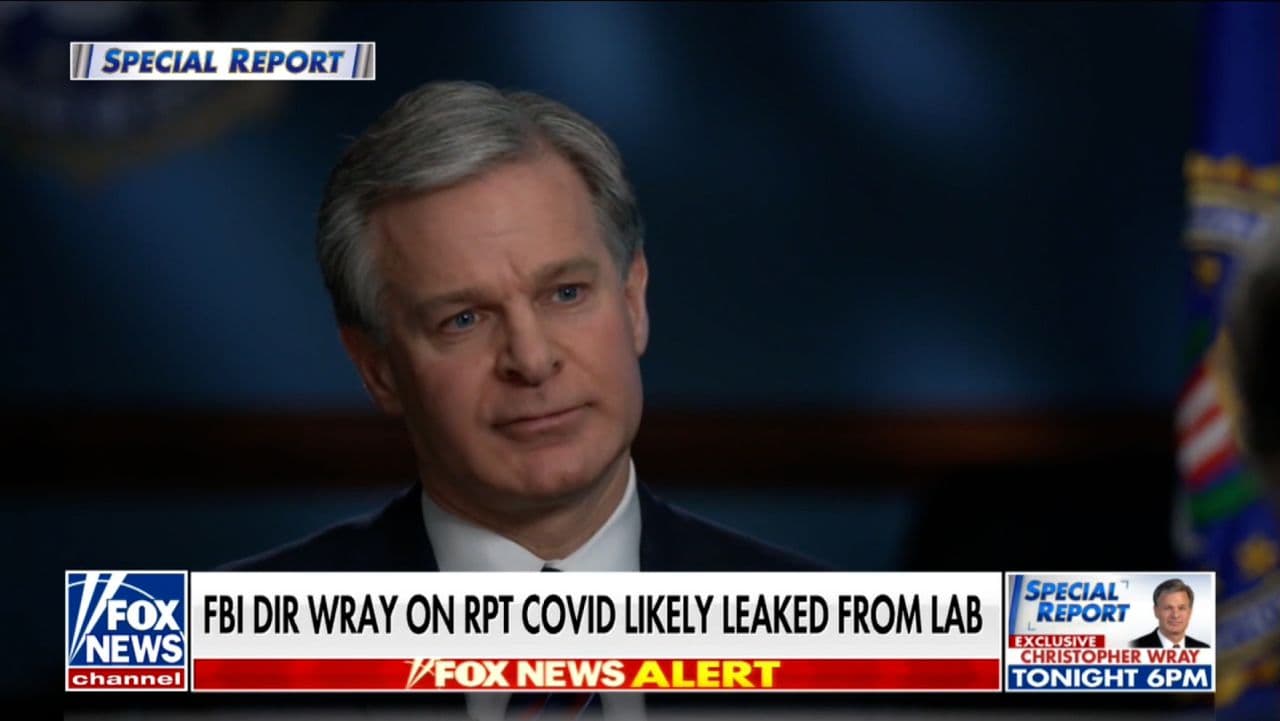
In early 2020, the theory that COVID-19 may have originated from the Wuhan Institute of Virology was censored on social media platforms, labeled 'debunked conspiracy theory' by major media, and dismissed by a group of scientists in The Lancet — organized by Peter Daszak, who funded WIV research. By 2023, the DOE (with 'low confidence') and FBI (with 'moderate confidence') assessed a lab leak as the most likely origin. The Lancet letter was revealed to have been orchestrated to suppress debate. EcoHealth Alliance was debarred in 2024 for grant violations related to WIV funding.
“They banned you from social media for saying it might have come from the lab. Now the FBI and DOE say it probably did. The scientists who called it a conspiracy theory had financial conflicts of interest.”
From “crazy” to confirmed
The Claim Is Made
This is the moment they called it crazy.
The COVID-19 lab leak hypothesis presents a textbook case of institutional consensus overriding scientific scrutiny. What began in early 2020 as a plausible question about the virus's origins became a forbidden topic on social media platforms and in mainstream media outlets within weeks—only to be reassessed as the most likely explanation by U.S. intelligence agencies three years later.
In the initial months of the pandemic, the theory that COVID-19 may have escaped from the Wuhan Institute of Virology in China was treated as fringe speculation at best and dangerous misinformation at worst. Major social media platforms removed posts discussing the possibility. News organizations relegated the theory to the margins of coverage. The scientific establishment appeared to have reached consensus: the virus had a natural origin, likely jumping from animals to humans.
A 26-author letter published in The Lancet in February 2020 carried particular weight. The authors declared they stood "together to strongly condemn conspiracy theories suggesting that COVID-19 does not have a natural origin." It became the go-to citation for anyone dismissing lab leak discussions. The letter was organized by Peter Daszak, president of EcoHealth Alliance, an organization that had funneled National Institutes of Health funding to the Wuhan Institute of Virology. This critical detail—that the letter's organizer had financial interests in the very institution being investigated—remained largely invisible in mainstream coverage for years.
Get the 5 biggest receipts every week, straight to your inbox — plus an exclusive PDF: The Top 10 Conspiracy Theories Proven True in 2025-2026. No spam. No agenda. Just the papers they couldn't hide.
You just read "The COVID lab leak theory went from 'banned misinformation' …". We send ones like this every week.
No one's said anything yet. Be the first to drop your take.
By 2021, establishment figures had begun walking back the hardest denials. In 2022, the pandemic had created enough distance for serious reconsideration. By early 2023, the situation shifted dramatically. The Department of Energy, after reviewing classified intelligence, assessed that a lab leak was the most likely origin of the pandemic—though with "low confidence" due to incomplete information. The FBI, having conducted its own analysis, reached a similar conclusion with "moderate confidence." Neither assessment constituted absolute proof, but both represented official acknowledgment that the theory deserved serious consideration.
That same year, details emerged about how The Lancet letter had been orchestrated specifically to suppress debate rather than to clarify science. The letter's framing as a unified scientific position obscured the fact that it had been engineered by someone with direct financial stakes in the outcome. This revelation damaged the credibility of the scientific institutions involved and raised uncomfortable questions about how consensus gets manufactured.
In 2024, the federal government took additional action: it debarred EcoHealth Alliance from receiving federal grants, citing violations related to its management of grants involving the Wuhan institute. The organization had failed to report safety breaches and other concerns to its NIH overseers.
What makes this case significant is not whether the lab leak theory is ultimately proven true—the evidence remains genuinely inconclusive. What matters is the pattern: a significant scientific question was treated as settled when it wasn't. Legitimate researchers were discouraged from exploring a plausible hypothesis. An authority figure with conflicting interests shaped the official narrative. And when the facts eventually challenged that narrative, the institutions that enforced the consensus faced minimal accountability.
For public trust in science and media institutions, the damage extends beyond COVID. It raises a durable question: when official sources unite to declare something false, how confident should citizens feel that they're hearing the full picture?
Beat the odds
This had a 0.7% chance of leaking — someone talked anyway.
Conspirators
~300Network
Secret kept
6.3 years
Time to 95% exposure
500+ years