Initially dismissed as a racist conspiracy theory, the lab leak hypothesis gained mainstream acceptance after the FBI and Department of Energy concluded with varying confidence that a lab leak was the most likely origin. A 2023 Senate report found substantial evidence pointing to the WIV. The WHO investigation was criticized as compromised by Chinese government interference. Multiple intelligence agencies now consider the lab leak plausible.
“This virus has characteristics suggesting it came from the Wuhan lab, not from a natural spillover at the wet market.”
What they said vs. what the evidence shows
“We stand together to strongly condemn conspiracy theories suggesting that COVID-19 does not have a natural origin.”
— The Lancet / Peter Daszak letter · Feb 2020
SourceFrom “crazy” to confirmed
The Claim Is Made
This is the moment they called it crazy.
For over two years, anyone suggesting that COVID-19 might have escaped from a laboratory in Wuhan, China was branded a conspiracy theorist spreading racist propaganda. Scientists signed letters condemning the theory. Social media platforms suppressed posts mentioning it. The conventional wisdom hardened around a natural origin story: the virus jumped from animals to humans, probably at the Huanan Seafood Wholesale Market in Wuhan.
But something shifted in 2021 and 2022. Intelligence agencies began revisiting the question with fresh eyes. In May 2021, President Biden ordered the intelligence community to investigate both the natural origin and lab leak hypotheses with equal rigor. The result of that investigation would eventually crack open what had seemed like settled science.
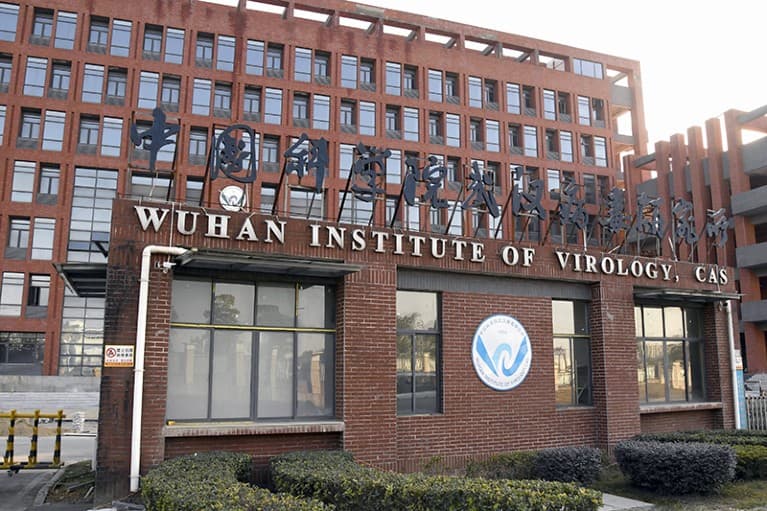
The lab in question—the Wuhan Institute of Virology (WIV)—is a real facility with a documented history of studying coronaviruses, including work on gain-of-function research that makes viruses more transmissible. Proximity to the outbreak's epicenter made it a logical place to examine. But mainstream institutions resisted this line of inquiry, worried about stoking anti-Chinese sentiment or seeming to validate fringe theories.
What changed the conversation was institutional pressure, not new evidence. In February 2023, the FBI Director publicly stated that the bureau assessed COVID-19 "most likely" resulted from a laboratory incident rather than natural transmission. The Department of Energy reached a similar conclusion around the same time, though with "low confidence." These weren't fringe voices—they were America's top law enforcement and energy .
Get the 5 biggest receipts every week, straight to your inbox — plus an exclusive PDF: The Top 10 Conspiracy Theories Proven True in 2025-2026. No spam. No agenda. Just the papers they couldn't hide.
You just read "COVID-19 may have originated from the Wuhan Institute of Vir…". We send ones like this every week.
No one's said anything yet. Be the first to drop your take.
Confirmed: They Were Right
The truth comes out. Officially documented.
Confirmed: They Were Right
The truth comes out. Officially documented.
The Senate's Health, Education, Labor and Pensions (HELP) Committee issued a comprehensive report in June 2023 that detailed substantial evidence supporting the lab leak hypothesis. The report highlighted the suspicious timeline of the outbreak, the WIV's specific coronavirus research programs, and the lack of a credible animal source for the virus despite extensive investigations. Perhaps most damning, the report documented how the initial World Health Organization investigation into origins had been compromised by Chinese government interference, with WHO investigators prevented from accessing critical information.
Today, multiple U.S. intelligence agencies consider a lab leak plausible. Some assess it as likely. No definitive smoking gun has emerged—the Chinese government has not opened its files or allowed independent investigators full access to the WIV. But the direction of institutional opinion has shifted decisively from dismissal to serious consideration.
This case matters because it illustrates how consensus can calcify around incomplete information. Legitimate questions about a lab's role in a pandemic got swallowed by tribal politics and the understandable desire to prevent sinophobic attacks. The cost was lost time, suppressed inquiry, and damage to institutional credibility when the conversation finally turned.
The lab leak hypothesis remains unproven. Natural origin remains possible. But calling it a conspiracy theory now looks like a failure of intellectual honesty rather than a victory for truth. What "They Knew" reveals here is sometimes uncomfortable: institutions know less than they claim, political pressure shapes scientific consensus, and the fastest way to bury a question is to declare it already answered.
Beat the odds
This had a 0.4% chance of leaking — someone talked anyway.
Conspirators
~300Network
Secret kept
3.1 years
Time to 95% exposure
500+ years