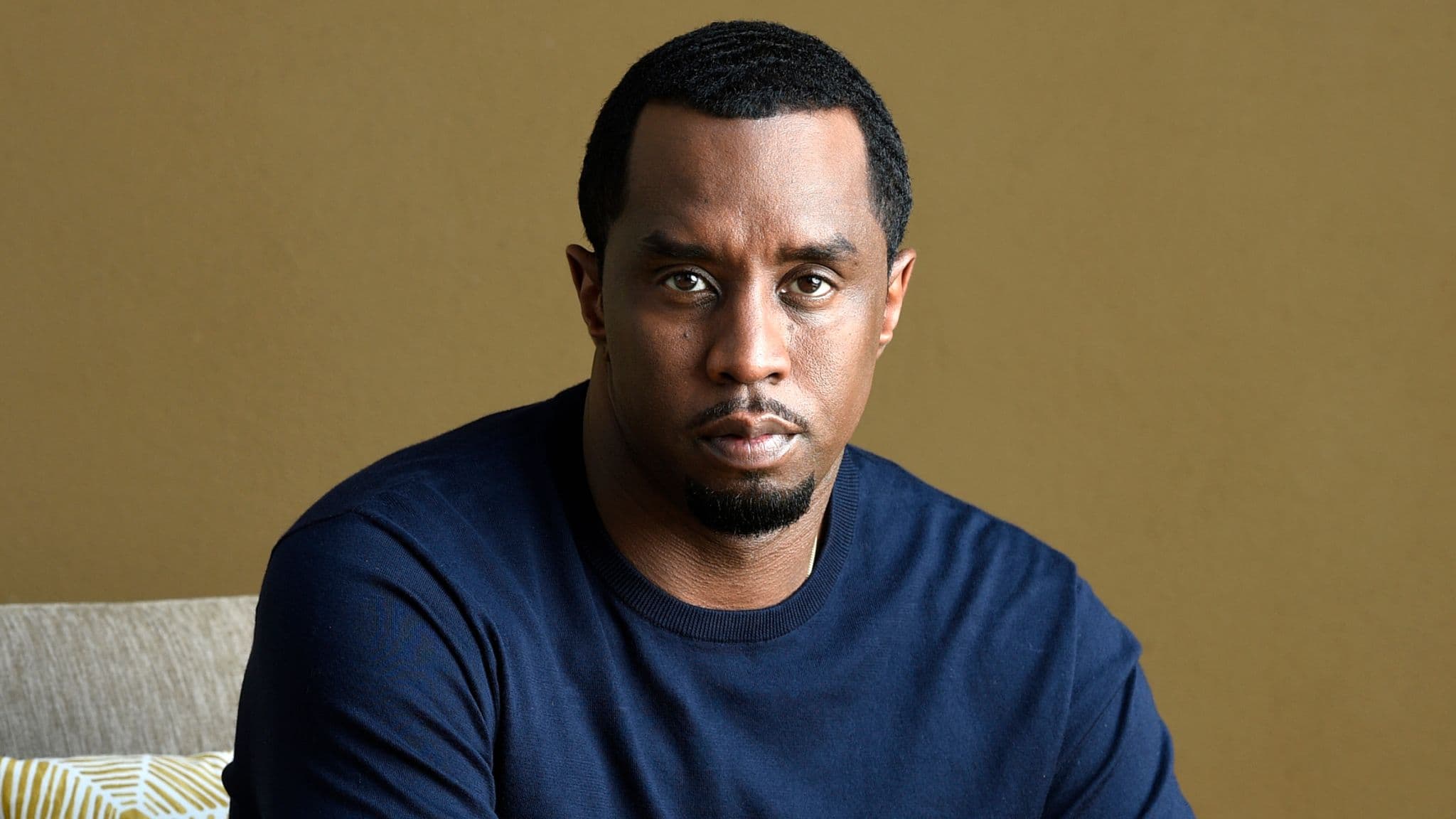
In September 2024, Sean Combs was indicted on federal racketeering, sex trafficking, and transportation for prostitution charges. The indictment alleges 'freak offs' — coerced sexual performances involving victims, sex workers, and drugs. Homeland Security seized 1,000 bottles of baby oil during raids. Multiple victims came forward describing abuse spanning from the 1990s to present. Industry insiders had long whispered about Combs' behavior, drawing comparisons to how Jeffrey Epstein operated in plain sight while powerful people looked the other way.
“Everyone in the industry knew. For decades. They saw, they heard, they said nothing. Now there's a federal indictment and suddenly everyone is shocked.”
From “crazy” to confirmed
The Claim Is Made
This is the moment they called it crazy.
For years, rumors circulated through music industry corridors about Sean Combs' private parties and the behavior of those around him. These weren't whispers from tabloids or gossip columnists—they came from people who worked in the industry, attended events, or had direct knowledge of what happened behind closed doors. Yet despite these persistent accounts, the public narrative remained largely controlled, and serious questions went unasked by mainstream media institutions that covered the music world daily.
In September 2024, federal prosecutors moved forward with an indictment that transformed decades of whispered allegations into documented criminal charges. The U.S. Department of Justice charged Combs with racketeering, sex trafficking, and transportation for prostitution. The indictment detailed what prosecutors called "freak offs"—elaborate events where Combs allegedly coerced victims into sexual performances, often involving commercial sex workers and controlled substance use. These allegations stretched back to the 1990s and continued into the present day.
The initial response from many quarters was disbelief mixed with reluctant recognition. How had someone with Combs' wealth, legal resources, and industry connections operated for so long without intervention? The honest answer revealed something uncomfortable: industry insiders apparently knew or suspected much of this for years. Comparisons to Jeffrey Epstein's decades-long operation became unavoidable—powerful men conducting predatory behavior in plain sight while those who knew stayed silent, looked away, or actively protected the accused.
When federal agents from Homeland Security conducted raids on Combs' properties in Los Angeles and Miami, they seized approximately 1,000 bottles of baby oil and other items relevant to the investigation. This detail, initially seeming almost absurd in its specificity, became central to understanding the systematic nature of the alleged crimes. These weren't isolated incidents but rather an organized pattern of behavior.
Get the 5 biggest receipts every week, straight to your inbox — plus an exclusive PDF: The Top 10 Conspiracy Theories Proven True in 2025-2026. No spam. No agenda. Just the papers they couldn't hide.
You just read "Sean 'Diddy' Combs was indicted on racketeering and sex traf…". We send ones like this every week.
No one's said anything yet. Be the first to drop your take.
The evidence supporting the indictment came from multiple victims who came forward describing abuse spanning decades. Their accounts corroborated each other in ways that suggested coordinated witness testimony rather than opportunistic accusations. Rolling Stone's investigation into the case documented patterns of coercion, control, and exploitation that aligned with the federal charges. Victims described scenarios matching the "freak off" allegations detailed in the indictment.
What makes this case significant for tracking verified claims is precisely what it reveals about institutional failure. Music industry professionals, entertainment lawyers, venue operators, and other intermediaries apparently had sufficient knowledge to raise concerns with law enforcement or media outlets. Instead, the machinery of celebrity protection—expensive lawyers, publicists, and the general reluctance to challenge powerful figures—functioned as it had for Combs' accusers.
This case demonstrates why documenting initially dismissed claims matters. It shows that credible allegations can remain publicly unexamined for decades despite existing within professional circles that could have acted. When such claims eventually reach courts with supporting evidence, it becomes impossible to argue the warning signs weren't visible.
The indictment against Sean Combs represents a moment when institutional silence finally broke under the weight of federal investigation. For those tracking how institutions respond to documented wrongdoing, this case illustrates both the power of persistent truth-telling and the costs of prolonged complicity.
Beat the odds
This had a 0% chance of leaking — someone talked anyway.
Conspirators
~50Network
Secret kept
1.6 years
Time to 95% exposure
500+ years