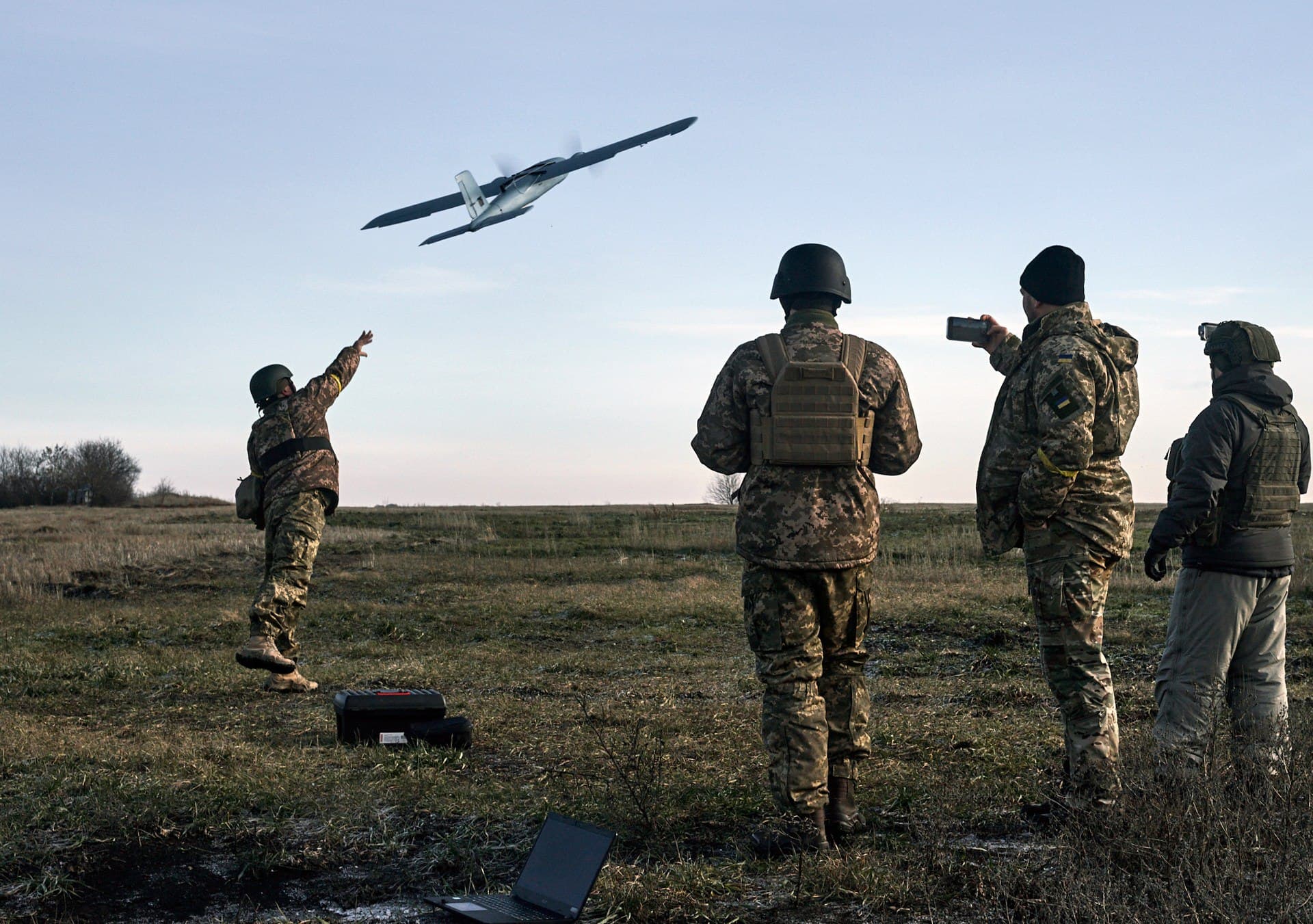
The Bureau of Investigative Journalism documented numerous cases where US drones struck a target, waited for first responders and rescuers to arrive, then struck the same location again — a tactic known as 'double-tap.' Under international law, deliberately targeting rescuers is a war crime. The strikes killed paramedics, family members, and bystanders trying to help the wounded. Stanford/NYU Law School report found that drone strikes killed between 474-881 civilians in Pakistan alone, and the double-tap pattern terrorized communities into not helping the wounded.
“They bomb, wait for the ambulances, then bomb again. Under any definition, targeting rescuers is a war crime.”
From “crazy” to confirmed
The Claim Is Made
This is the moment they called it crazy.
When a missile hits a building in a conflict zone, rescuers rush in. When another missile follows minutes later, hitting the same spot, everyone dies together. This pattern — what investigators call a "double-tap" strike — was documented by journalists and researchers across multiple US drone campaigns, yet remained largely absent from official acknowledgment for years.
The claim emerged primarily from investigative reporting by the Bureau of Investigative Journalism and a landmark 2012 report titled "Living Under Drones," produced jointly by Stanford and NYU Law Schools. These organizations documented cases where US drone operators deliberately waited for first responders — paramedics, firefighters, family members — to congregate at a strike site before launching a second attack. The tactic was systematic enough to have a name in military circles, though it was rarely discussed publicly.
For years, US officials neither confirmed nor denied the practice. When asked directly, spokespeople offered vague assurances that drone strikes followed international humanitarian law and that civilian casualties were minimized through rigorous targeting procedures. The Obama administration, which significantly expanded the drone program, maintained that all strikes were precise and proportional. The implication was clear: the claims were either exaggerated or fabricated by activists with an anti-American agenda.
But the evidence told a different story. The Stanford/NYU report documented specific incidents across Pakistan, Yemen, and Afghanistan where the timing and location of successive strikes suggested deliberate targeting of rescue operations. Researchers interviewed survivors and collected testimony from communities where double-taps had become a terrifying pattern. Paramedics in Pakistan reported refusing to respond to initial strikes because the risk of death in a follow-up attack was too great. This wasn't speculation — these were documented behavioral changes in how people responded to emergencies.
Get the 5 biggest receipts every week, straight to your inbox — plus an exclusive PDF: The Top 10 Conspiracy Theories Proven True in 2025-2026. No spam. No agenda. Just the papers they couldn't hide.
You just read "The US conducted 'double-tap' drone strikes — bombing a targ…". We send ones like this every week.
No one's said anything yet. Be the first to drop your take.
The Bureau of Investigative Journalism catalogued cases with names, dates, and locations. Their reporting identified strikes where the gap between the first and second missile was minutes, too brief to be coincidental, too precise to be accidental. These weren't isolated incidents. The pattern repeated across multiple countries and multiple years. The Stanford/NYU researchers estimated that drone strikes killed between 474 and 881 civilians in Pakistan alone, with the double-tap tactic contributing significantly to both direct casualties and the broader psychological effect that discouraged rescue efforts.
What makes this claim "partially verified" rather than fully confirmed is the absence of explicit official acknowledgment. No declassified memo states that double-taps were policy. No general has publicly admitted to the practice. But the evidentiary record — the documented strikes, the survivor testimony, the behavioral patterns in communities — creates a factual foundation that extends far beyond speculation.
This matters because it cuts to the heart of democratic accountability. Drone campaigns were conducted with minimal public debate and limited congressional oversight. Communities bearing the consequences reported a tactic that violated international law, but those reports were dismissed or ignored. When journalists and researchers finally assembled the evidence, the response was still largely silence. This gap between what happened and what was officially acknowledged reveals how difficult it is to police state power in conflicts fought far from public view. It reminds us why documenting these claims — even when official denial persists — remains essential work.
Beat the odds
This had a 0.3% chance of leaking — someone talked anyway.
Conspirators
~50Network
Secret kept
13.6 years
Time to 95% exposure
500+ years