The Drone Papers, leaked to The Intercept in 2015 by an intelligence community whistleblower, revealed the inner workings of the US assassination program in Afghanistan, Yemen, and Somalia. Documents showed that during one five-month operation in Afghanistan, nearly 90% of those killed were not the intended targets. The military classified all military-age males in strike zones as 'enemies killed in action' unless posthumously proven otherwise — systematically deflating civilian casualty counts. Independent investigations consistently found civilian death tolls 3-4 times higher than official figures. A 2021 Kabul drone strike killed 10 civilians including 7 children — the Pentagon initially called it a 'righteous strike.'
“The drone program is killing far more civilians than the government admits. The classification system is designed to hide the true civilian death toll.”
What they said vs. what the evidence shows
“There is a wide gap between U.S. assessments of such casualties and non-governmental reports. I believe our estimates are more accurate.”
— President Barack Obama · May 2013
SourceFrom “crazy” to confirmed
The Claim Is Made
This is the moment they called it crazy.
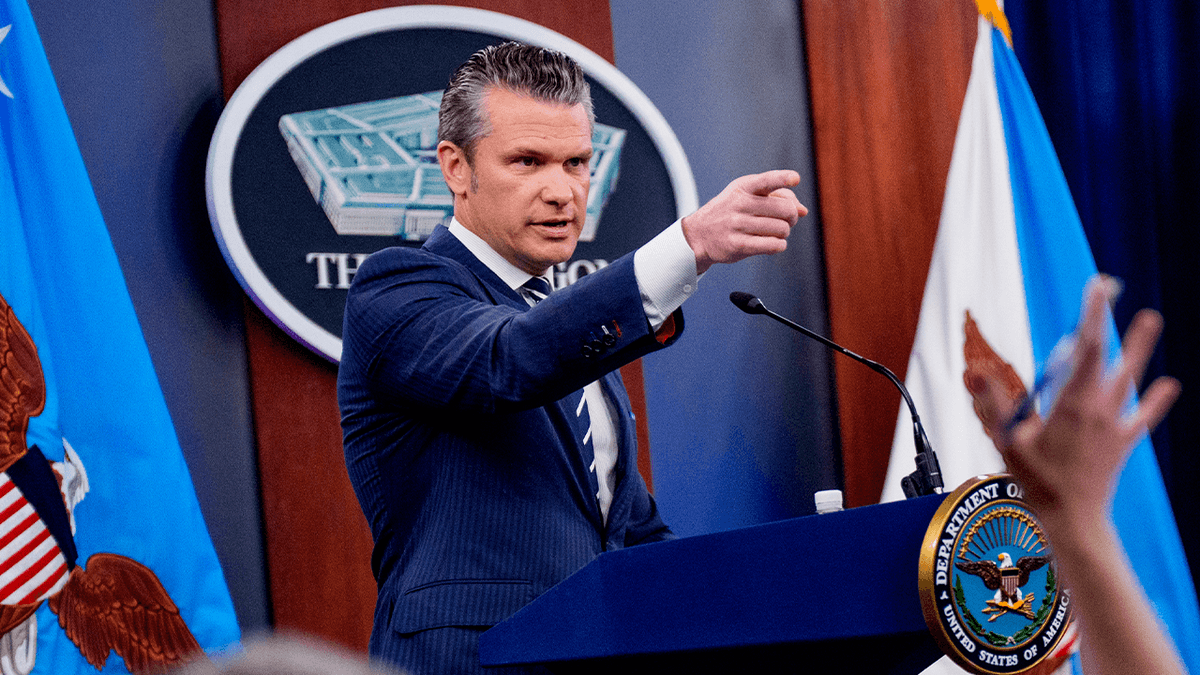
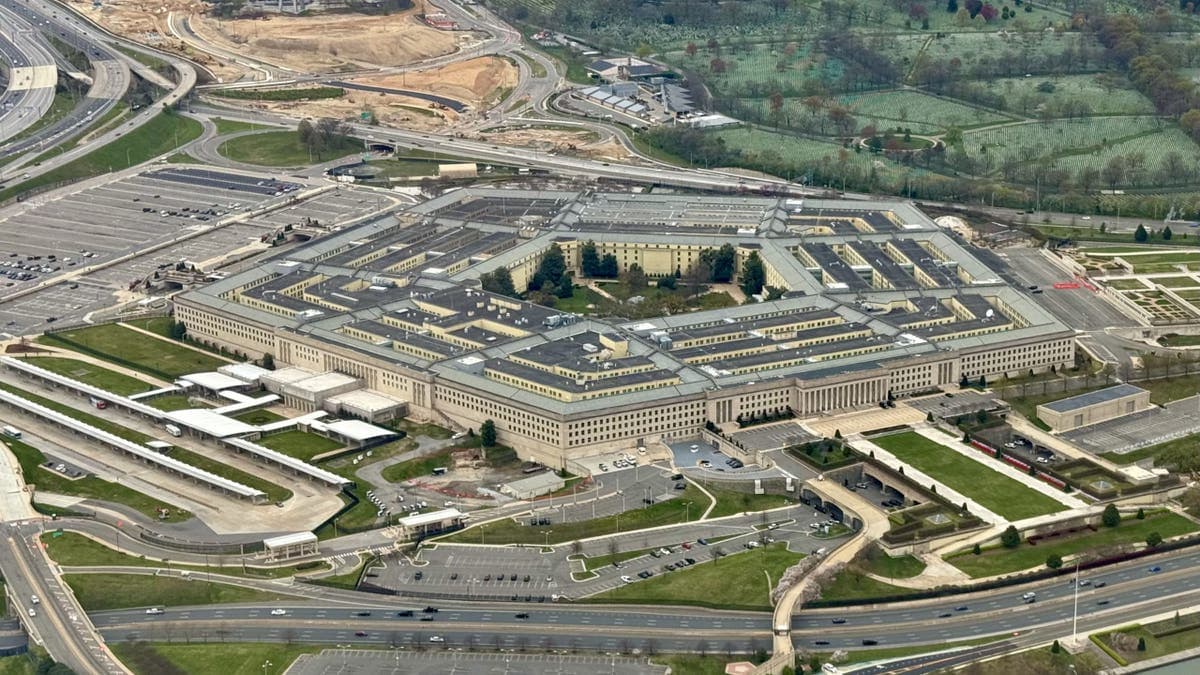
For years, the Pentagon maintained that its drone program was precise, lethal only to legitimate targets, and conducted with minimal civilian harm. Kill counts were published in official reports. Congressional committees were briefed. The numbers looked clean.
Then in 2015, The Intercept published classified documents obtained from an intelligence community whistleblower, and the official narrative fractured. The Drone Papers, as they came to be known, exposed how the US military had been systematically undercounting civilian deaths in its operations across Afghanistan, Yemen, and Somalia—not through accident, but through definitional sleight of hand.
The mechanism was simple and devastating in its implications. The military adopted a classification system that treated all military-age males within a strike zone as "enemies killed in action" unless the military could later prove otherwise. The burden of proof was reversed. Instead of confirming that someone was actually a combatant before striking, the Pentagon assumed they were guilty unless evidence emerged posthumously proving innocence. A farmer, a taxi driver, a shopkeeper—if he was between puberty and middle age in the wrong place at the wrong time, he counted as a combatant.
The raw data told the story. During one five-month operation in Afghanistan, the documents showed that nearly 90% of those killed were not the intended targets. These were not occasional mistakes in a precision campaign. This was the routine outcome of the program.
Get the 5 biggest receipts every week, straight to your inbox — plus an exclusive PDF: The Top 10 Conspiracy Theories Proven True in 2025-2026. No spam. No agenda. Just the papers they couldn't hide.
You just read "The US government systematically underreported civilian casu…". We send ones like this every week.
No one's said anything yet. Be the first to drop your take.
Confirmed: They Were Right
The truth comes out. Officially documented.
Confirmed: They Were Right
The truth comes out. Officially documented.
When independent investigators—journalists, researchers at universities, human rights organizations—began cross-checking official casualty counts against on-the-ground reporting and family accounts, the gap was staggering. Civilian death tolls consistently ran three to four times higher than what the Pentagon reported. The undercount wasn't marginal. It was systematic.
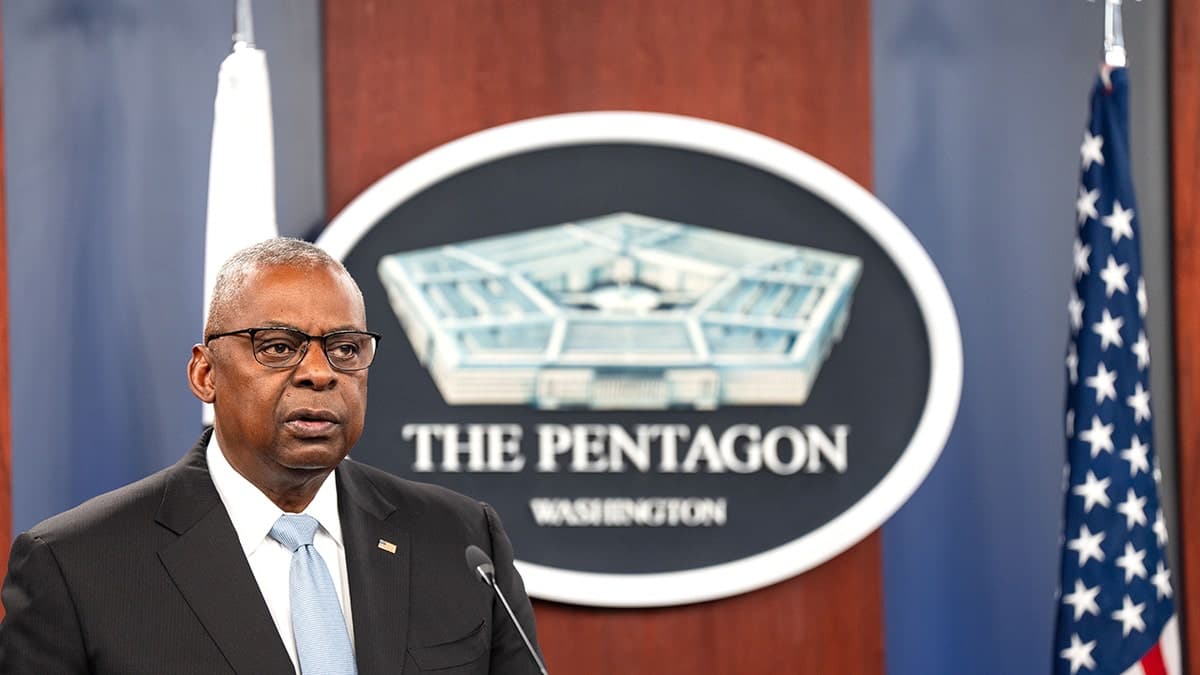
The Kabul strike of August 29, 2021, crystallized the problem. The Pentagon initiated a drone strike targeting what it believed was an ISIS-K vehicle in a residential neighborhood. Ten civilians died in the blast, including seven children. Initially, the military called it a "righteous strike." Only after journalists and investigators examined the wreckage and traced the victims' identities did the Pentagon acknowledge the reality: it had killed a family.
This wasn't a failure of technology or a split-second decision in combat. The Drone Papers revealed an institutional apparatus designed to produce lower casualty numbers. Rules of engagement were written to assume guilt. Reporting mechanisms were structured to minimize contradiction. Accountability mechanisms were weak.
What matters most is not the past strikes, though those matter deeply. What matters is that an American government agency deliberately designed a counting system that made civilian deaths invisible. The public was told one thing. The documents showed another. Trust in official casualty counts—not just from drones, but from military operations generally—was broken for anyone paying attention.
This is why the Drone Papers belong in the permanent record of what governments claimed and what turned out to be true. They showed that transparency and trust require more than official statements. They require whistleblowers willing to risk everything, journalists willing to publish, and citizens willing to look at documents that complicate the story we're told about how wars are fought.
Beat the odds
This had a 1% chance of leaking — someone talked anyway.
Conspirators
~1,000Large op
Secret kept
2.4 years
Time to 95% exposure
500+ years