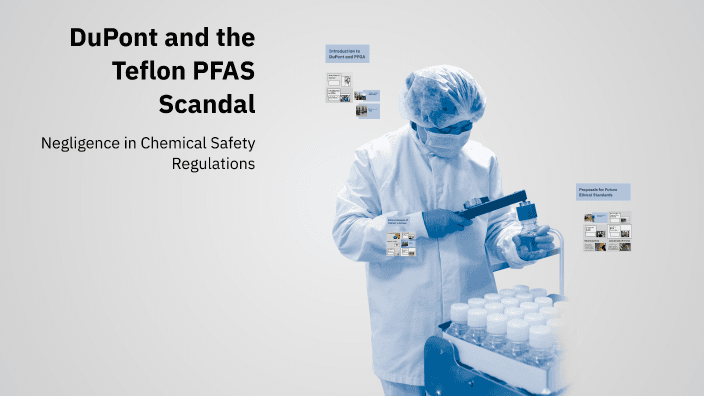
Internal DuPont documents showed the company knew PFOA/C8 chemicals caused cancer and birth defects since the 1960s but continued production while hiding health risks.
“DuPont maintained that C8 was safe at typical exposure levels and posed no significant health risks to workers or communities.”
From “crazy” to confirmed
The Claim Is Made
This is the moment they called it crazy.
For decades, DuPont manufactured Teflon with full knowledge that one of its key ingredients was poisoning people. The company knew. Internal documents would later prove it. Yet for generations, DuPont continued production while actively concealing what their own scientists had discovered.
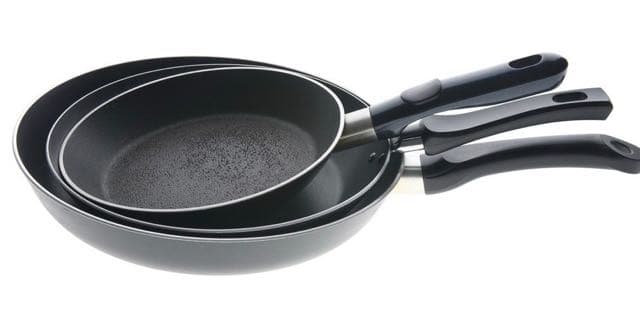
PFOA, also known as C8, is a man-made chemical used to manufacture Teflon and countless other products we use daily. It's persistent, widespread, and according to DuPont's own research dating back to the 1960s, it causes cancer and birth defects in laboratory animals. The company kept making it anyway.
The story began not with an investigation but with a water crisis. In the late 1990s, residents in Parkersburg, West Virginia noticed something wrong. Their drinking water came from wells near a DuPont manufacturing plant, and they were getting sick. A local farmer named Robert Bilott, a corporate defense attorney, took on the case that would ultimately unravel one of the most consequential corporate cover-ups in modern history.
At first, DuPont denied everything. The company claimed C8 posed no significant health risk. They pointed to regulatory approvals and safety protocols. The chemical was in the water, they admitted, but only in trace amounts that fell within acceptable limits. Nothing to worry about, they insisted. Internal documents revealed a different story entirely.
Get the 5 biggest receipts every week, straight to your inbox — plus an exclusive PDF: The Top 10 Conspiracy Theories Proven True in 2025-2026. No spam. No agenda. Just the papers they couldn't hide.
You just read "DuPont concealed dangers of Teflon chemical C8 for decades w…". We send ones like this every week.
No one's said anything yet. Be the first to drop your take.
Forced to turn over communications and research files during litigation, DuPont's defense crumbled. Memos showed that company scientists had documented the chemical's dangers since at least the 1960s. They had conducted studies showing birth defects in the offspring of exposed animals. They knew about cancer risks. Yet instead of warning the public or regulators, they buried the findings and continued dumping C8 into the Ohio River and local groundwater.
One particularly damning piece of evidence came from DuPont's own internal assessment: the company had identified C8 as a potential carcinogen decades before public health agencies took the chemical seriously. Rather than erring on the side of caution, DuPont chose profit. They adjusted their manufacturing practices just enough to claim compliance while keeping the toxic chemical flowing into the water supply that thousands of people depended on.
The settlement in DuPont v. Kopp became a landmark case. DuPont ultimately agreed to pay over $600 million to settle claims from residents who had been exposed to contaminated water. The company funded an independent study that would later confirm what their own scientists knew all along: PFOA exposure was linked to kidney cancer, testicular cancer, thyroid disease, and developmental problems.
Today, PFOA has been found in the blood of 97 percent of Americans. It persists in the environment indefinitely. We cannot remove it from our bodies. What was once a hidden corporate secret has become a universal public health burden.
This case matters because it reveals the gap between what corporations know and what the public is told. DuPont had the science. They understood the risks. They chose secrecy over transparency, profits over precaution. The question that lingers is not whether DuPont knew—they did. The question is how many other chemicals in common use today are being subjected to the same calculus behind closed boardroom doors.
Beat the odds
This had a 0.8% chance of leaking — someone talked anyway.
Conspirators
~100Network
Secret kept
20.8 years
Time to 95% exposure
500+ years