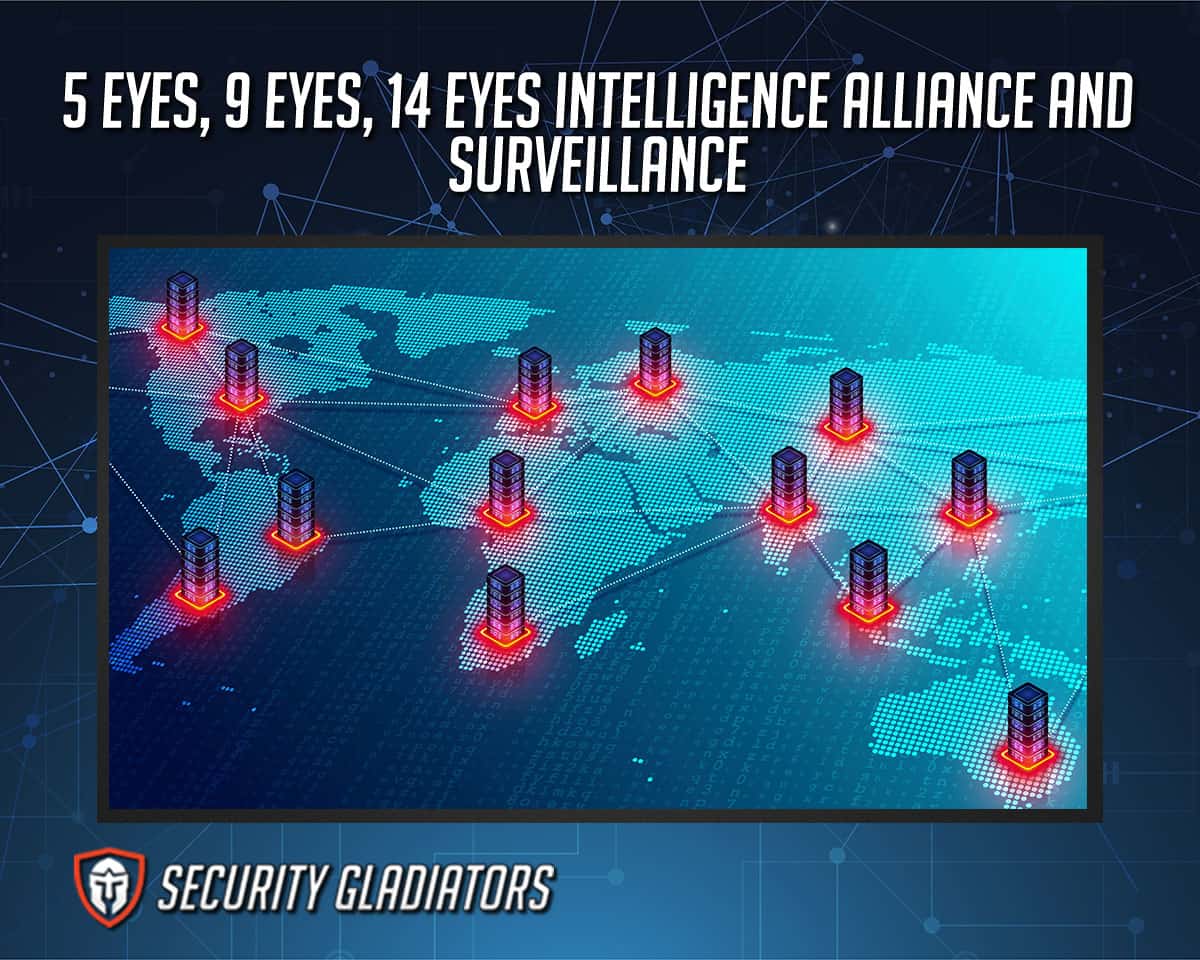
ECHELON, established during the Cold War by the Five Eyes alliance (US, UK, Canada, Australia, New Zealand), grew into a global surveillance network capable of intercepting satellite communications, phone calls, faxes, and emails worldwide. Ground stations at Menwith Hill (UK), Pine Gap (Australia), and other facilities used keyword filters to process intercepted data. The European Parliament concluded in 2001 that ECHELON's existence was 'no longer in doubt' after years of government denials.
“There exists a global surveillance network run by five countries that can intercept virtually any electronic communication on Earth — phone calls, emails, faxes — everything.”
From “crazy” to confirmed
The Claim Is Made
This is the moment they called it crazy.
For decades, whistleblowers and privacy advocates claimed that Western governments had built a vast, hidden surveillance apparatus that monitored virtually every phone call, fax, and email crossing their borders. Officials dismissed these claims as paranoid fiction. Yet by 2001, even the European Parliament had to admit: the system was real.
ECHELON emerged from the Cold War as a collaboration between five English-speaking nations—the United States, United Kingdom, Canada, Australia, and New Zealand, collectively known as the Five Eyes. What began as an effort to intercept Soviet communications gradually transformed into something far more expansive: a global network designed to monitor electronic communications on an unprecedented scale.
The system worked through a constellation of ground stations positioned strategically around the world. Menwith Hill in Yorkshire, England served as one of the largest listening posts. Pine Gap, buried in the Australian desert, provided another crucial hub. Similar facilities existed in Canada, New Zealand, and throughout the United States. These stations captured satellite transmissions, telephone calls, and data flowing through international cables—essentially creating a dragnet for the world's electronic communications.
What made ECHELON particularly sophisticated was its use of automated keyword filtering. Rather than attempting to manually review every intercepted communication, the system used computers to flag messages containing specific words, phrases, or patterns. This allowed operators to process an impossible volume of data and extract potentially relevant intelligence. The scope was staggering: millions of communications could be sorted in real time.
For years, governments maintained strict secrecy about ECHELON's existence. When journalists and lawmakers began raising questions in the 1990s, officials either denied the program outright or offered vague non-answers. The system was so compartmentalized that even many elected representatives remained in the dark. The public was left with suspicions but no proof.
Get the 5 biggest receipts every week, straight to your inbox — plus an exclusive PDF: The Top 10 Conspiracy Theories Proven True in 2025-2026. No spam. No agenda. Just the papers they couldn't hide.
You just read "ECHELON: Five Eyes alliance built a global system intercepti…". We send ones like this every week.
No one's said anything yet. Be the first to drop your take.
Confirmed: They Were Right
The truth comes out. Officially documented.
Confirmed: They Were Right
The truth comes out. Officially documented.
The breakthrough came through persistence and leaks. Journalists and privacy researchers compiled evidence from multiple sources. Intelligence analysts and former officials provided details about how the system operated. Internal documents confirmed what had been dismissed as conspiracy theory. By 2001, the weight of evidence had become undeniable.
The European Parliament's official report that year marked a watershed moment. After conducting its own investigation, the parliament concluded that ECHELON's existence was "no longer in doubt." This wasn't speculation—it was a formal acknowledgment from a major governmental body that the system had been real all along, operating in the shadows while democratic governments maintained official silence.
What makes ECHELON's story significant isn't just that a surveillance system existed. It's that citizens and elected officials had to fight for years to confirm something their governments knew all along. The episode revealed a troubling pattern: when security agencies believe information serves national interest, they will deny its existence to the public and their own representatives.
The ECHELON case exposed the limits of democratic oversight and the power of secrecy to shield governmental activities from scrutiny. It demonstrated that extraordinary claims about surveillance capabilities, when made by credible sources, deserve serious investigation rather than dismissal. Most importantly, it showed that the burden of proof shouldn't rest with citizens trying to verify what their government is doing—it should rest with governments to be transparent about programs affecting public privacy.
Beat the odds
This had a 0.8% chance of leaking — someone talked anyway.
Conspirators
~150Network
Secret kept
13.5 years
Time to 95% exposure
500+ years