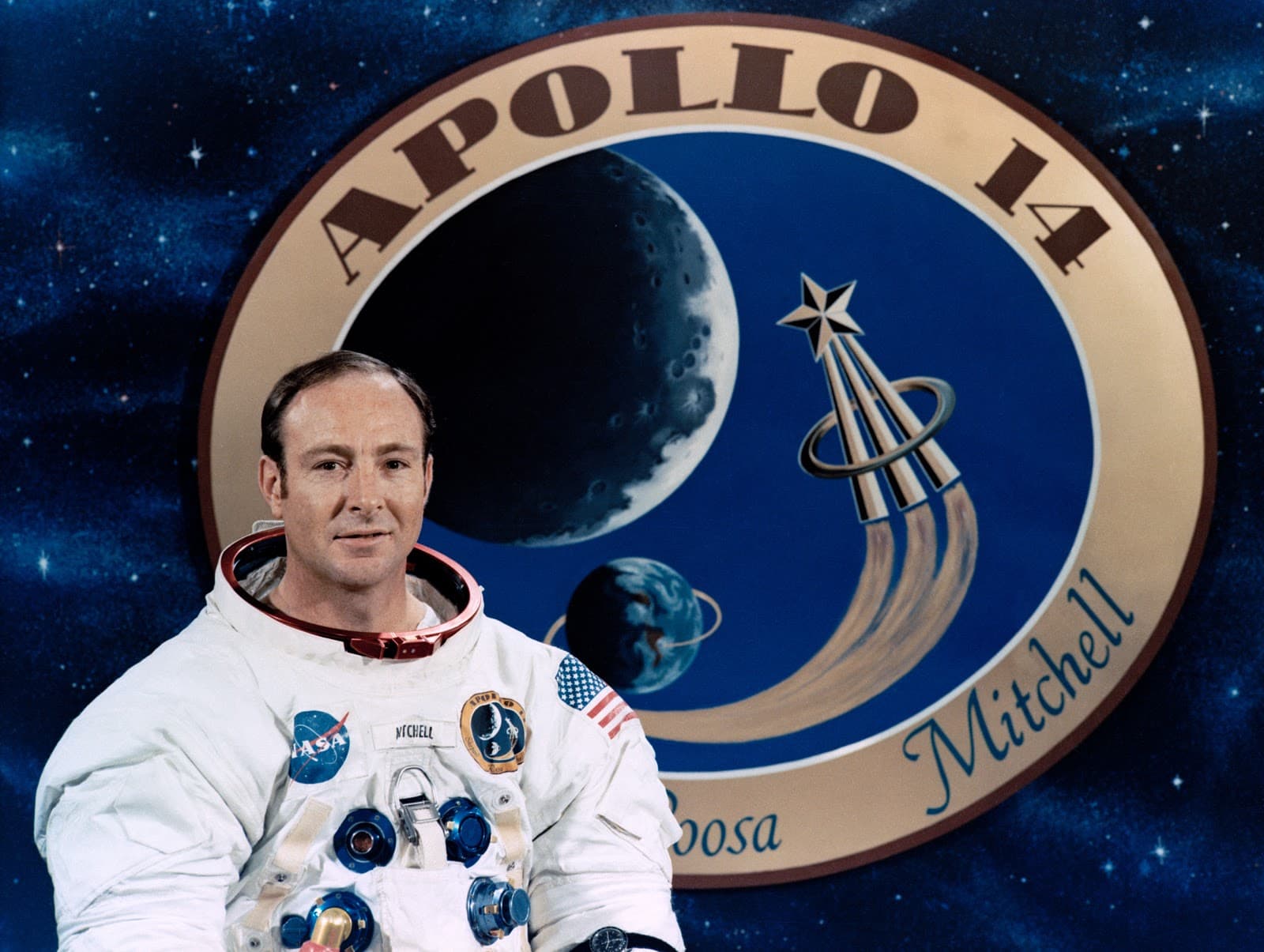
Dr. Edgar Mitchell, the sixth man to walk on the Moon during Apollo 14, spent his post-NASA career publicly stating that extraterrestrial life exists and that Earth governments are concealing this truth. In a 2008 interview, Mitchell claimed that sources at NASA, the military, and intelligence community described alien visitors as 'little people who look strange to us.' He co-founded the Institute of Noetic Sciences to study consciousness and claimed the Roswell crash was real. Gordon Cooper, another Mercury/Gemini astronaut, made similar claims, stating 'We are being visited. It is now time to put away this embargo of truth about the alien presence.' NASA officially distanced itself from their claims.
“I happen to be privileged enough to be in on the fact that we have been visited on this planet, and the UFO phenomenon is real. It has been covered up by our governments for over 60 years.”
What they said vs. what the evidence shows
“NASA does not track UFOs. NASA is not involved in any sort of cover-up about alien life on this planet or anywhere in the universe. Dr. Mitchell is a great American, but we do not share his opinions on this issue.”
— NASA Official Statement · Jul 2008
SourceFrom “crazy” to confirmed
The Claim Is Made
This is the moment they called it crazy.
When Edgar Mitchell looked back at Earth from 240,000 miles away during the Apollo 14 mission in 1971, he experienced what he would later call a profound spiritual awakening. What few realized then was that this moonwalking scientist would spend the next four decades making claims that NASA and the government would systematically reject: that extraterrestrial visitors have reached our planet and that official channels have systematically concealed this truth.
Mitchell wasn't a fringe believer operating from the margins of credibility. As the sixth person to walk on the Moon and a trained physicist, his assertions carried weight. In a 2008 CNN interview and subsequent public statements, Mitchell claimed to have spoken with sources within NASA, military officials, and intelligence community contacts who described alien visitors as "little people who look strange to us." He went further, stating that the 1947 Roswell incident—long dismissed as a weather balloon—involved an actual extraterrestrial craft.
NASA's response was swift and dismissive. The space agency officially distanced itself from Mitchell's claims, treating them as personal speculation rather than institutional knowledge. The agency's public position remained unchanged: there was no confirmed evidence of extraterrestrial visitation, and the Roswell incident had been conclusively explained as a classified military surveillance balloon. Government officials and mainstream media largely treated Mitchell's statements as the eccentric musings of an aging astronaut, however distinguished his resume.
Yet Mitchell wasn't alone in his assertions. Gordon Cooper, a Mercury Seven astronaut and Gemini veteran, made strikingly similar claims. In public statements, Cooper declared: "We are being visited. It is now time to put away this embargo of truth about the alien presence." Cooper described witnessing unexplained aerial phenomena during his NASA career and claimed the government possessed physical evidence it refused to release.
Get the 5 biggest receipts every week, straight to your inbox — plus an exclusive PDF: The Top 10 Conspiracy Theories Proven True in 2025-2026. No spam. No agenda. Just the papers they couldn't hide.
You just read "Apollo 14 astronaut Edgar Mitchell repeatedly stated aliens …". We send ones like this every week.
No one's said anything yet. Be the first to drop your take.
What's significant here isn't whether Mitchell and Cooper were definitively correct about extraterrestrial visitation—that question remains genuinely unresolved. Rather, it's that their credibility and professional standing were sufficient to warrant serious consideration, yet institutional forces worked to marginalize their testimony. Both men co-founded or supported research institutions, like Mitchell's Institute of Noetic Sciences, to pursue questions the mainstream scientific establishment largely ignored.
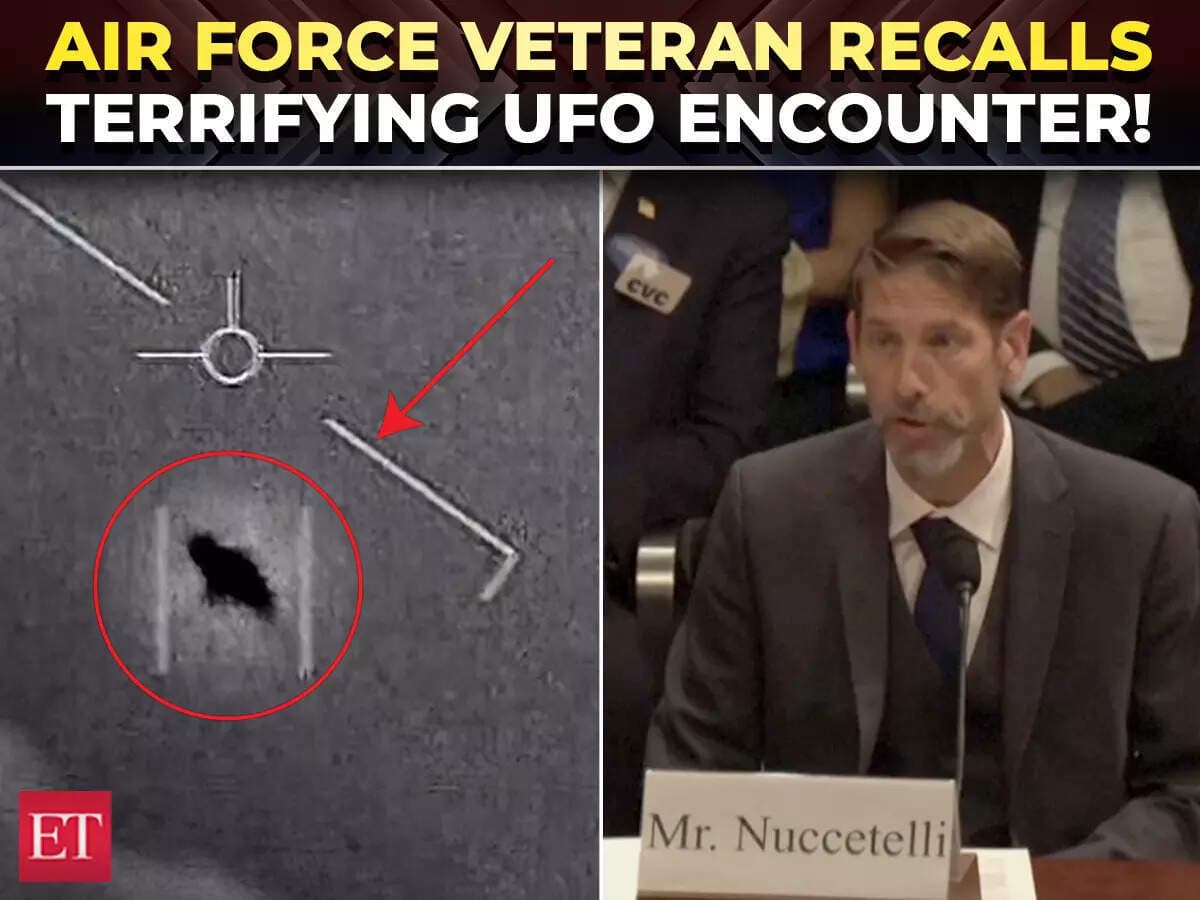
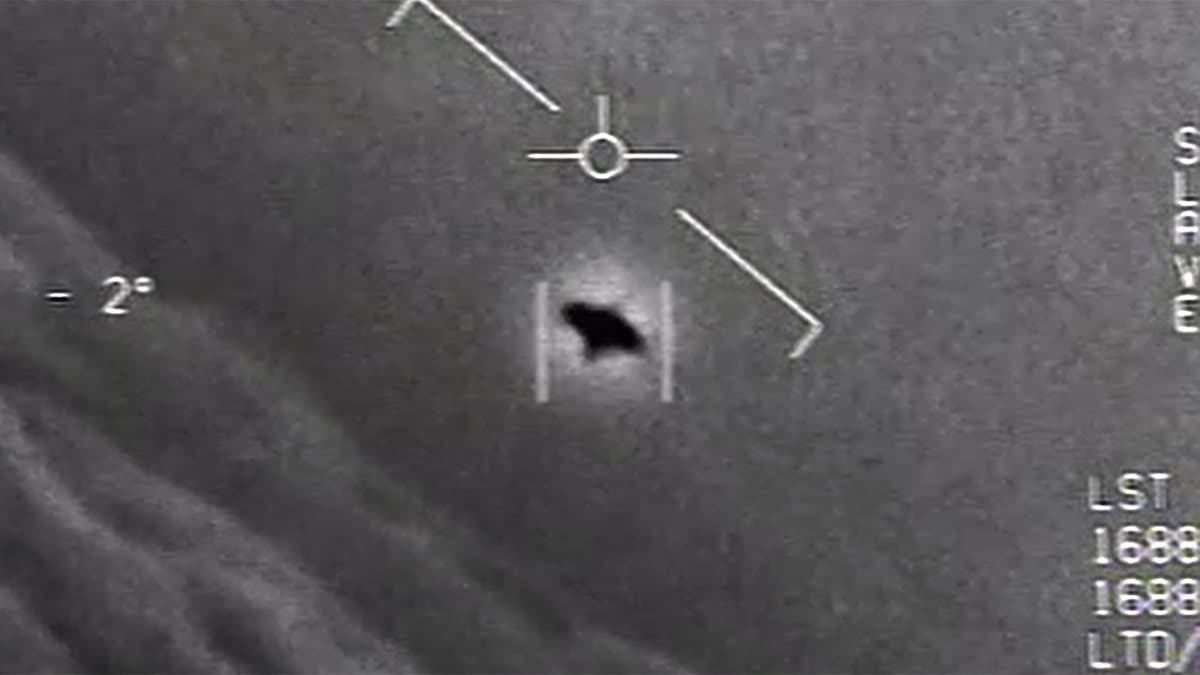
The real issue for public trust centers on institutional transparency. Whether or not aliens have visited Earth, the question of why multiple trained astronauts with top-secret clearances would risk their reputations making consistent claims deserves more than reflexive dismissal. The documented pattern of government secrecy around UFO phenomena—later partially acknowledged during Congressional hearings—suggests that official denials alone shouldn't close the conversation.
Mitchell and Cooper raised legitimate questions about what governments knew and what they weren't sharing with the public. They did this from positions of authority, with nothing obvious to gain and considerable credibility to lose. That their claims were rejected outright rather than investigated transparently reflects how institutions handle information they find inconvenient rather than how truth actually works.
For citizens evaluating institutional claims, Mitchell's career offers a cautionary lesson: when credible individuals are systematically dismissed rather than genuinely addressed, it often signals something worth questioning.
Beat the odds
This had a 3.5% chance of leaking — someone talked anyway.
Conspirators
~500Large op
Secret kept
17.8 years
Time to 95% exposure
500+ years