Unsealed court documents showed Lilly had evidence of increased violence and suicide risk from Prozac clinical trials but didn't report this to FDA.
“Prozac clinical trials showed no increased risk of violence or suicide”
From “crazy” to confirmed
The Claim Is Made
This is the moment they called it crazy.
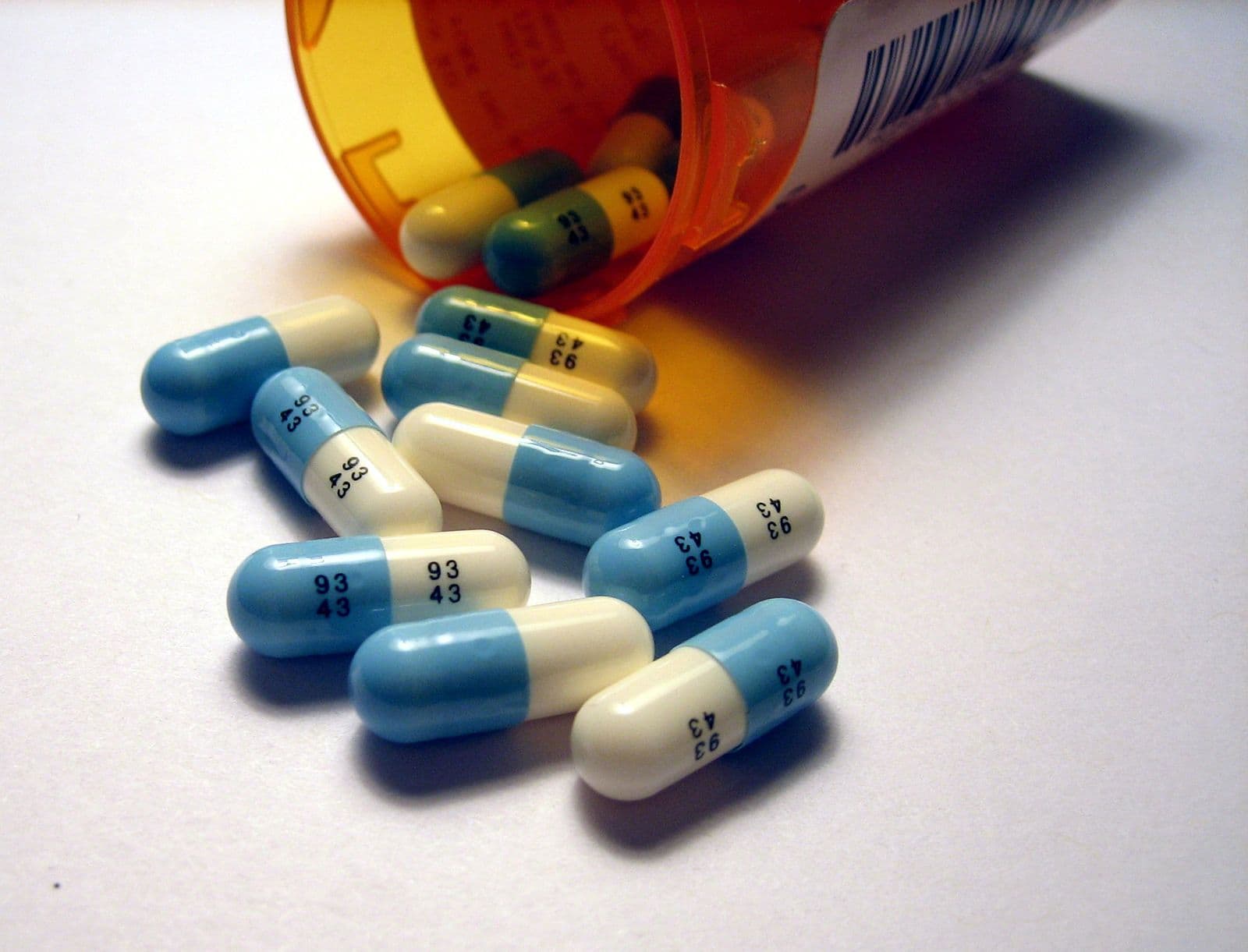
When Eli Lilly's Prozac hit the market in 1987, it promised to revolutionize depression treatment. The drug sailed through FDA approval and became one of the most prescribed medications in America. What doctors and patients didn't know was that the company possessed clinical trial data suggesting a troubling side effect: the drug appeared to increase violent thoughts and suicidal behavior in some patients.
For years, the claim that Prozac caused violence and suicide remained controversial. Critics argued the link was real and dangerous. Eli Lilly countered that depression itself causes suicidal ideation, and that blaming the medication was unfounded. The FDA, relying on Lilly's submitted data, saw no reason to add such warnings to the label. The official position was clear: there was no credible evidence of this problem.
The turning point came when internal company documents surfaced through litigation. Unsealed court records revealed that Eli Lilly had conducted clinical trials showing increased rates of violent behavior and suicidal thoughts among Prozac users compared to control groups. These findings were not hidden by mistake. They were systematically omitted from the FDA submission and the information provided to physicians. The company's own researchers had flagged the concerns, but these warnings never made it into the official safety profile.
The BMJ investigation "Prescription for Disaster" laid out the documentation in meticulous detail. Emails and memos showed that company executives were aware of the safety signals but chose to present a selective picture to regulators. When the FDA approved Prozac, it did so on the basis of incomplete information. Doctors prescribed it without knowing what Eli Lilly's own scientists had observed in their trials.
What happened next exposed the mechanism by which such suppression becomes possible. The FDA's approval process depends on the honesty of pharmaceutical companies submitting data. When a manufacturer decides to withhold or downplay findings, regulators have little independent way to discover the omission. The agency doesn't conduct its own clinical trials. It reviews what companies choose to show them. In Prozac's case, the system failed.
Get the 5 biggest receipts every week, straight to your inbox — plus an exclusive PDF: The Top 10 Conspiracy Theories Proven True in 2025-2026. No spam. No agenda. Just the papers they couldn't hide.
You just read "Eli Lilly suppressed Prozac violence and suicide data in cli…". We send ones like this every week.
No one's said anything yet. Be the first to drop your take.
The broader implication extends beyond one drug or one company. This wasn't a case of a small statistical anomaly overlooked in mountains of data. It was a deliberate filtering of safety information that contradicted the company's commercial interests. Thousands of patients took Prozac without full knowledge of the risks documented in the very studies meant to establish its safety.
Eli Lilly eventually faced litigation and settlements, but the damage to public trust had already been done. Patients who experienced violent thoughts or suicidal impulses while on Prozac had been told the drug couldn't be responsible. Doctors who prescribed it had no reason to counsel patients about warning signs they didn't know existed. The incident became a case study in regulatory capture and corporate accountability.
Today, antidepressants carry black box warnings about increased suicide risk in young people. Those warnings exist partly because of cases like Prozac. But they came decades after the original trials, after patients had already been harmed, and only because evidence eventually became impossible to suppress.
The Prozac case teaches one lesson clearly: official reassurance is only as reliable as the information officials are given. When the people providing that information have financial incentives to omit inconvenient truths, the system collapses.
Beat the odds
This had a 3.7% chance of leaking — someone talked anyway.
Conspirators
~300Network
Secret kept
31.4 years
Time to 95% exposure
500+ years