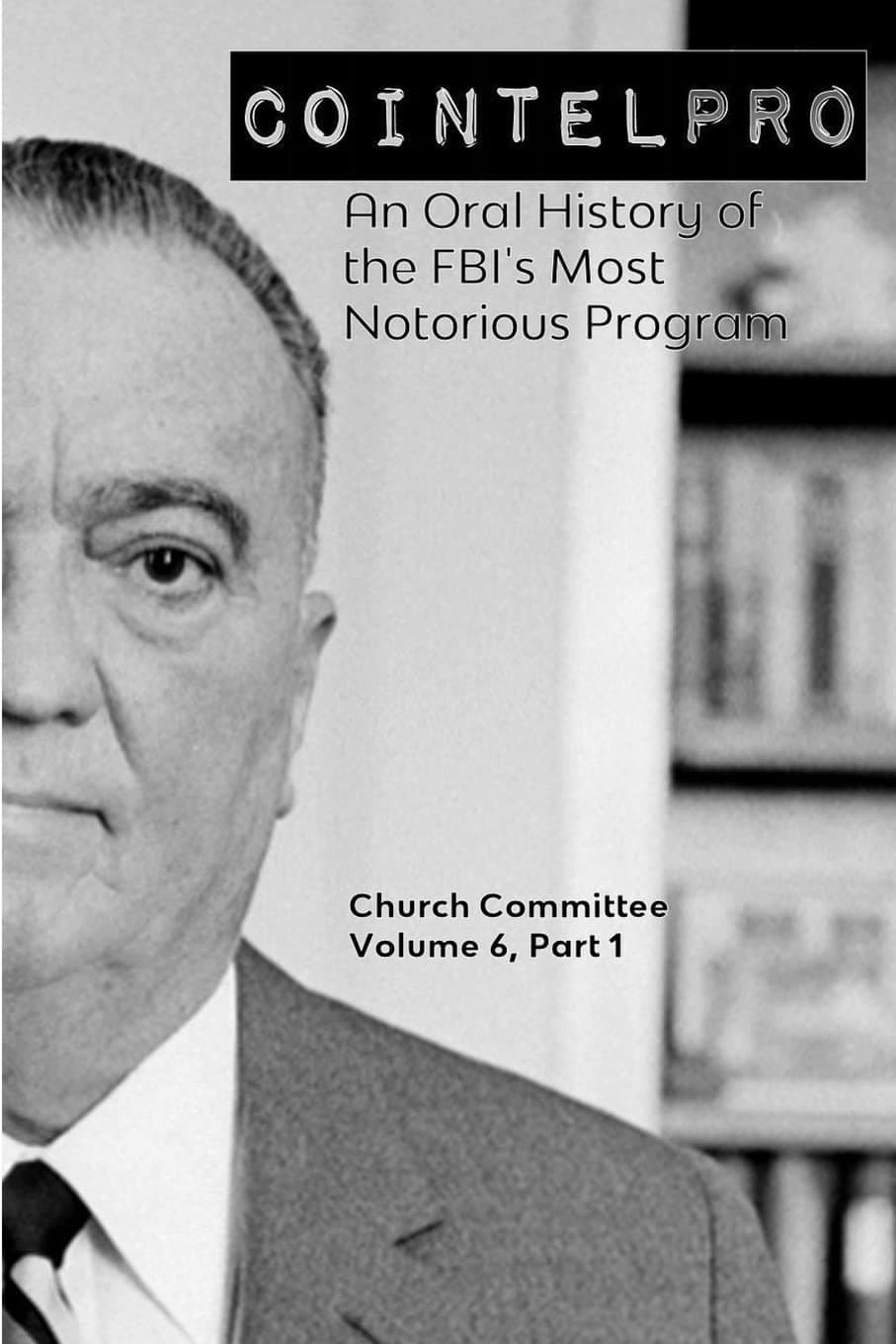
FBI documents revealed a 15-year program to infiltrate, discredit and disrupt civil rights organizations and political groups. The program targeted everyone from Black Panthers to women's liberation groups through illegal surveillance and sabotage.
“The FBI only investigates criminal activities and does not engage in political surveillance or disruption”
From “crazy” to confirmed
The Claim Is Made
This is the moment they called it crazy.
For decades, civil rights activists and anti-war protesters claimed the FBI was spying on them, planting informants in their organizations, and deliberately sabotaging their movements. They were dismissed as paranoid. It turned out they were right.
The FBI's COINTELPRO program—short for Counterintelligence Program—ran for approximately 15 years, beginning in the mid-1950s and continuing into the early 1970s. During this period, the bureau systematically infiltrated, surveilled, and attempted to destroy dozens of political organizations and civil rights groups across the United States. The targets included the Black Panther Party, the Southern Christian Leadership Conference, the Nation of Islam, women's liberation groups, anti-war activists, and environmental organizations.
At the time, the FBI and government officials denied such programs existed. When activists raised concerns about surveillance and infiltration, they were treated as conspiracy theorists making unfounded accusations. Law enforcement agencies maintained that their operations were limited to legitimate criminal investigations. Critics were dismissed as hostile to national security or simply confused about how law enforcement worked.
The truth emerged through a break-in that ironically vindicated the activists' claims. In March 1971, a group of citizens burglarized an FBI field office in Media, Pennsylvania, stealing classified documents. Those documents revealed the existence of COINTELPRO and detailed specific operations against political groups. When journalists published the stolen files, the public finally had proof of what activists had been claiming all along.
Get the 5 biggest receipts every week, straight to your inbox — plus an exclusive PDF: The Top 10 Conspiracy Theories Proven True in 2025-2026. No spam. No agenda. Just the papers they couldn't hide.
You just read "FBI COINTELPRO Program Systematically Disrupted Civil Rights…". We send ones like this every week.
No one's said anything yet. Be the first to drop your take.
The exposed documents showed a pattern of behavior far more aggressive than mere surveillance. FBI operations included forging letters to incite conflict between allied groups, arranging for activists to be drafted into the military, planting false information to discredit leaders, and manufacturing evidence used in criminal prosecutions. In some cases, FBI informants didn't simply observe—they actively participated in planning illegal activities, turning peaceful organizations toward more radical or violent tactics.
One particularly well-documented case involved the Black Panthers. FBI Director J. Edgar Hoover had declared the organization a threat to national security and ordered systematic disruption. Documents later revealed that the FBI's campaign against the Panthers included assassination attempts and frame-ups. The bureau's actions contributed to violence between the Black Panthers and other groups, deaths that might have been prevented without FBI intervention.
The revelation forced a congressional investigation. The Church Committee, named after its chairman Senator Frank Church, spent months examining the program and produced a damaging report in 1976. The investigation confirmed what whistleblowers and activists had documented: the FBI had violated the constitutional rights of thousands of Americans and operated with virtually no oversight or accountability.
What makes COINTELPRO significant today is not just that a government agency violated civil liberties—it's that the violations were sustained, systematic, and officially denied. Activists weren't misremembering or exaggerating. They were accurately describing their experiences while being called liars. The institutions supposed to protect constitutional rights were actively undermining them.
This history matters because it establishes a documented precedent. When citizens today express concern about government surveillance or infiltration of political groups, they're not paranoid—they're drawing on historical experience. The question isn't whether such abuses are possible. They happened. The real question is what mechanisms exist to prevent them from happening again.
Beat the odds
This had a 4.3% chance of leaking — someone talked anyway.
Conspirators
~200Network
Secret kept
55.2 years
Time to 95% exposure
500+ years