Science: 9/10 commissioners to pharma. 57% of reviewers to companies they regulated. Companies hire staffers who managed their drug reviews.
“9 out of 10 FDA commissioners went to pharma. The FDA is a job fair.”
What they said vs. what the evidence shows
“Career choices don't compromise independence.”
— FDA · Jul 2018
SourceFrom “crazy” to confirmed
The Claim Is Made
This is the moment they called it crazy.
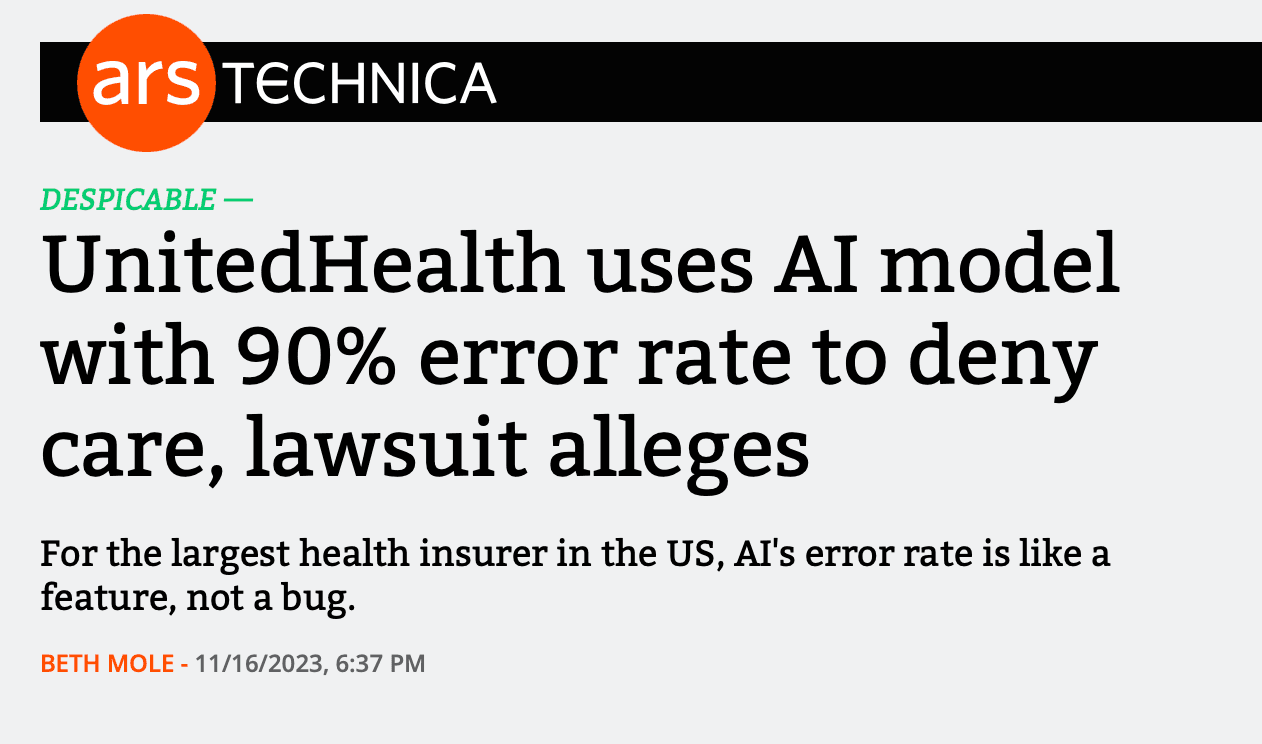
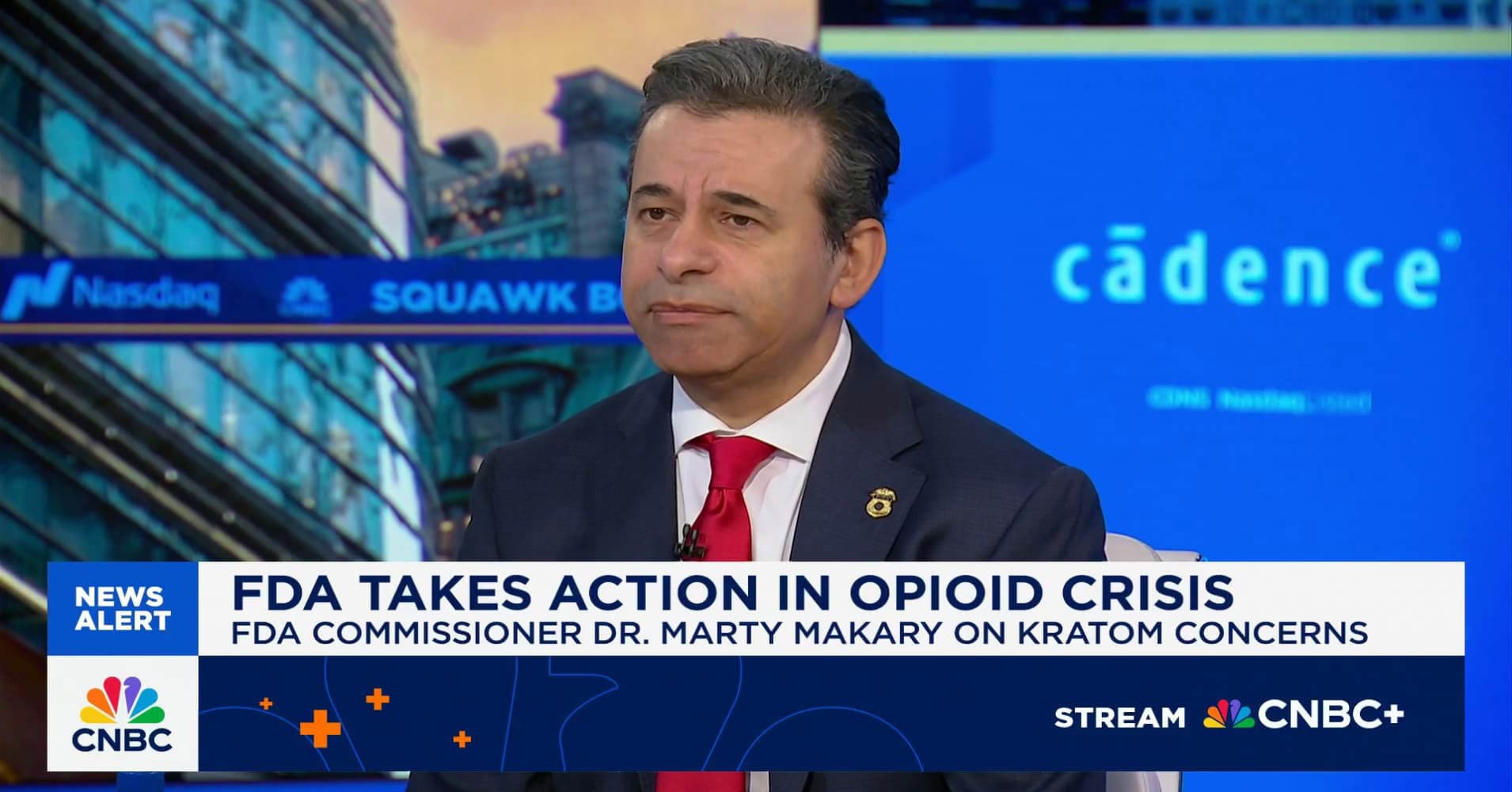
When you're supposed to be the watchdog, it helps if you don't plan to join the dogs you're watching. Yet that's precisely what's been happening at the Food and Drug Administration, where nine out of the last ten commissioners have walked through a revolving door directly into the pharmaceutical industry they once oversaw.
The claim wasn't made by fringe activists or conspiracy theorists. It emerged from serious investigative reporting that examined the career trajectories of FDA leadership over decades. The pattern was stark: commissioner after commissioner left their regulatory posts to accept lucrative positions at the very companies whose drugs, devices, and treatments they had approved or rejected just months or years earlier.
Initially, the FDA and pharma industry defenders dismissed this as nothing unusual. Career mobility is normal, they argued. Talented regulatory experts naturally move between government and industry—it's how expertise circulates. The revolving door, they suggested, was simply a feature of how government works in specialized fields. Some even framed it as desirable, claiming that industry experience made better regulators.
But when researchers actually tracked the numbers, a different picture emerged. Beyond the nine commissioners, 57 percent of FDA drug reviewers—the scientists and physicians making crucial approval decisions—moved directly to pharmaceutical companies they had regulated. These weren't lateral career moves into tangential fields. These were people going to work for the exact companies whose applications they had evaluated.
Get the 5 biggest receipts every week, straight to your inbox — plus an exclusive PDF: The Top 10 Conspiracy Theories Proven True in 2025-2026. No spam. No agenda. Just the papers they couldn't hide.
You just read "9 of 10 FDA Commissioners went to pharma companies they regu…". We send ones like this every week.
No one's said anything yet. Be the first to drop your take.
Confirmed: They Were Right
The truth comes out. Officially documented.
Confirmed: They Were Right
The truth comes out. Officially documented.
The data revealed something more troubling still: pharmaceutical companies were deliberately recruiting FDA staffers who had managed their specific drug reviews. It wasn't random job placement—it was strategic hiring. A reviewer who spent months evaluating a company's clinical trial data, understanding its regulatory vulnerabilities and strengths, suddenly became that company's employee. The institutional knowledge flowed directly from regulator to regulated.
This pattern matters because it creates competing incentives at every level of the approval process. A reviewer considering whether to recommend approval might be aware, consciously or not, that the company in question could soon be a potential employer. A commissioner finalizing regulations might consider how those rules would affect his or her future employment prospects. These aren't accusations of outright corruption—they're structural conflicts of interest baked into the system.
What makes this significant isn't that individuals are behaving illegally. What's significant is that the system itself is designed to encourage the very permeability between regulator and regulated that good governance should prevent. The FDA is supposed to stand between pharmaceutical companies and patients. When the people making approval decisions know they might soon work for those companies, that independence evaporates.
Public trust in regulatory agencies depends on the belief that decisions are made in the public interest, not with an eye toward future employment. When nine of ten commissioners cash in by joining pharma, when majority-percentage drug reviewers end up on industry payrolls, citizens have reasonable grounds to question whether those approval decisions were truly independent.
The revolving door isn't a scandal because it's illegal. It's a problem because it's entirely predictable—and entirely corrosive to the idea that regulators work for the public rather than the industries they oversee.
Beat the odds
This had a 0.1% chance of leaking — someone talked anyway.
Conspirators
~300Network
Secret kept
0.5 years
Time to 95% exposure
500+ years