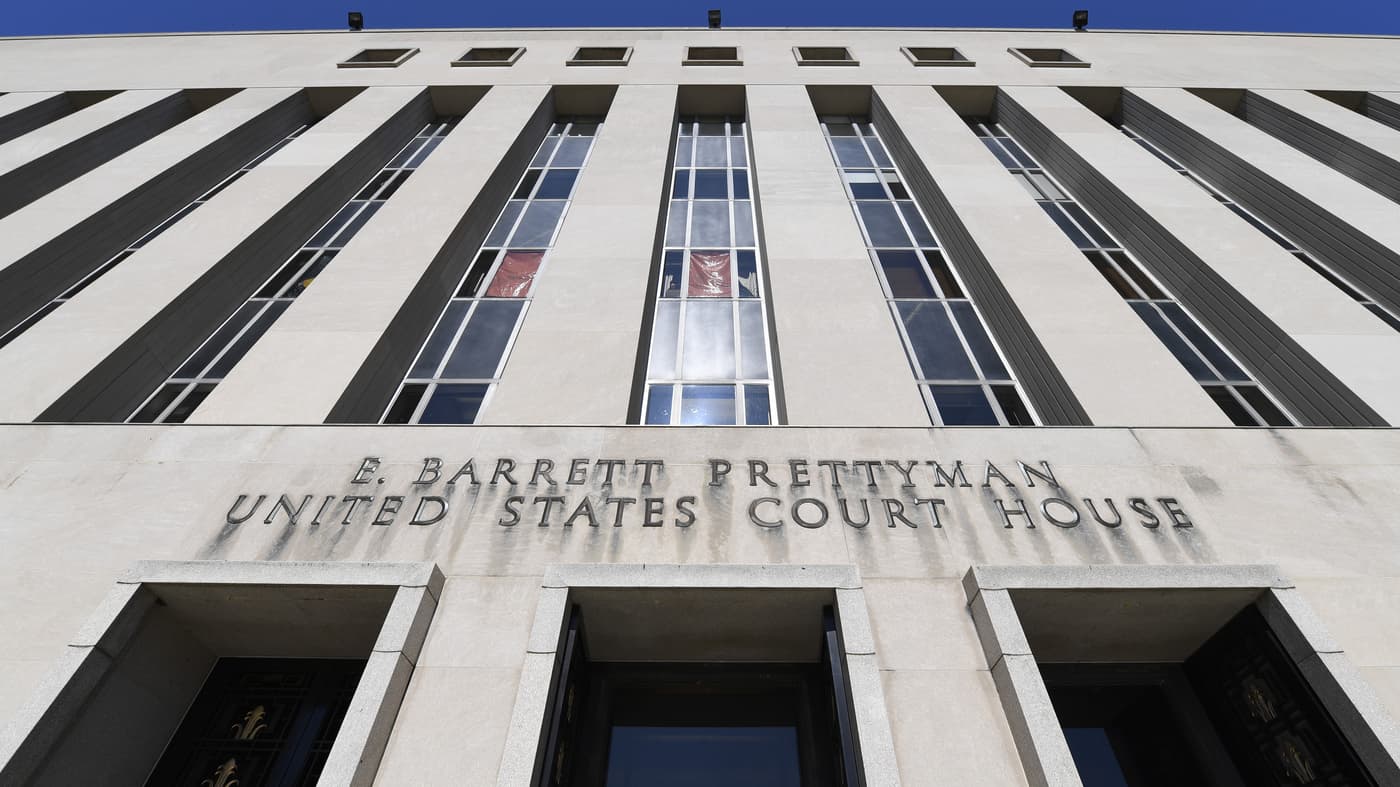
Between 1979 and 2012, the Foreign Intelligence Surveillance Court received 33,900 surveillance requests and denied only 11 - a 99.97% approval rate. The court operates in total secrecy with no adversarial process. Declassified opinions revealed the FBI used Section 702 to surveil a sitting state court judge who had complained about civil rights violations by a police chief.
“The FISA Court is the most one-sided legal process in the United States. It makes a mockery of the Fourth Amendment.”
From “crazy” to confirmed
The Claim Is Made
This is the moment they called it crazy.
For decades, civil liberties advocates raised alarm about the Foreign Intelligence Surveillance Court, warning that it had become a rubber stamp for government surveillance requests. What seemed like paranoid speculation turned out to be an understatement.
Between 1979 and 2012, the secret FISA court—created to provide judicial oversight of sensitive national security wiretaps—approved 33,900 surveillance requests and rejected only 11. That's a 99.97% approval rate. The court operates entirely in secret, with no public scrutiny, no adversarial process, and no one arguing against the government's requests.
The original claim wasn't new. Skeptics had long questioned whether the court served any meaningful oversight function at all. But the specifics of just how thoroughly the court rubber-stamped surveillance requests didn't become clear until the numbers were declassified and reported by NPR in 2013.
Defenders of the surveillance apparatus initially dismissed concerns as naive. They argued the FISA court was working as intended—it was designed to be efficient, not adversarial, they said. The court approved requests because the FBI and NSA conducted thorough vetting before submitting them. From this perspective, high approval rates reflected good security hygiene, not judicial abdication.
Then came the details. Declassified opinions revealed that the government had systematically misled the court about its surveillance practices. More damning still, court documents showed that had used surveillance authority to conduct searches on a sitting state court judge—someone who had been outspoken about civil rights violations committed by a police chief the FBI was investigating.
Get the 5 biggest receipts every week, straight to your inbox — plus an exclusive PDF: The Top 10 Conspiracy Theories Proven True in 2025-2026. No spam. No agenda. Just the papers they couldn't hide.
You just read "The secret FISA court approved 99.97% of surveillance reques…". We send ones like this every week.
No one's said anything yet. Be the first to drop your take.
Confirmed: They Were Right
The truth comes out. Officially documented.
Confirmed: They Were Right
The truth comes out. Officially documented.
This wasn't a hypothetical concern anymore. The secret court had approved surveillance on a judge. A sitting member of the judiciary had been targeted, apparently without her knowledge, by the very government that claimed it needed the FISA court's approval to operate legally.
The Brennan Center for Justice examined what went wrong with the FISA court system. Researchers found that the court lacked the structural independence to challenge government requests. The judges had no staff to independently verify claims made by prosecutors. No one represented the targets of surveillance. The court had no meaningful way to learn whether the government had lied about previous requests.
What makes this claim significant isn't just that it was true, but what it revealed about the limits of secret oversight. A court operating in darkness, with no adversarial process, no public accountability, and no ability to verify government claims, approved surveillance at rates indistinguishable from rubber-stamping.
This matters because it exposed a fundamental flaw in how democracies can police themselves. When surveillance is secret and oversight is secret, the mechanisms meant to prevent abuse become complicit in enabling it. The FISA court didn't prevent the surveillance of a sitting judge—it approved it.
For citizens trying to understand how much power governments actually wield over their communications, this claim and its verification point toward an uncomfortable conclusion: the checks we assume exist may not function as advertised.
Beat the odds
This had a 0.1% chance of leaking — someone talked anyway.
Conspirators
~500Large op
Secret kept
0.5 years
Time to 95% exposure
500+ years