Internal Ford documents revealed executives knew the Pinto's fuel tank could explode in rear-end collisions but decided the cost of lawsuits would be less than fixing all cars.
“Ford maintained the Pinto met all federal safety standards and was as safe as other subcompact cars of its era.”
From “crazy” to confirmed
The Claim Is Made
This is the moment they called it crazy.
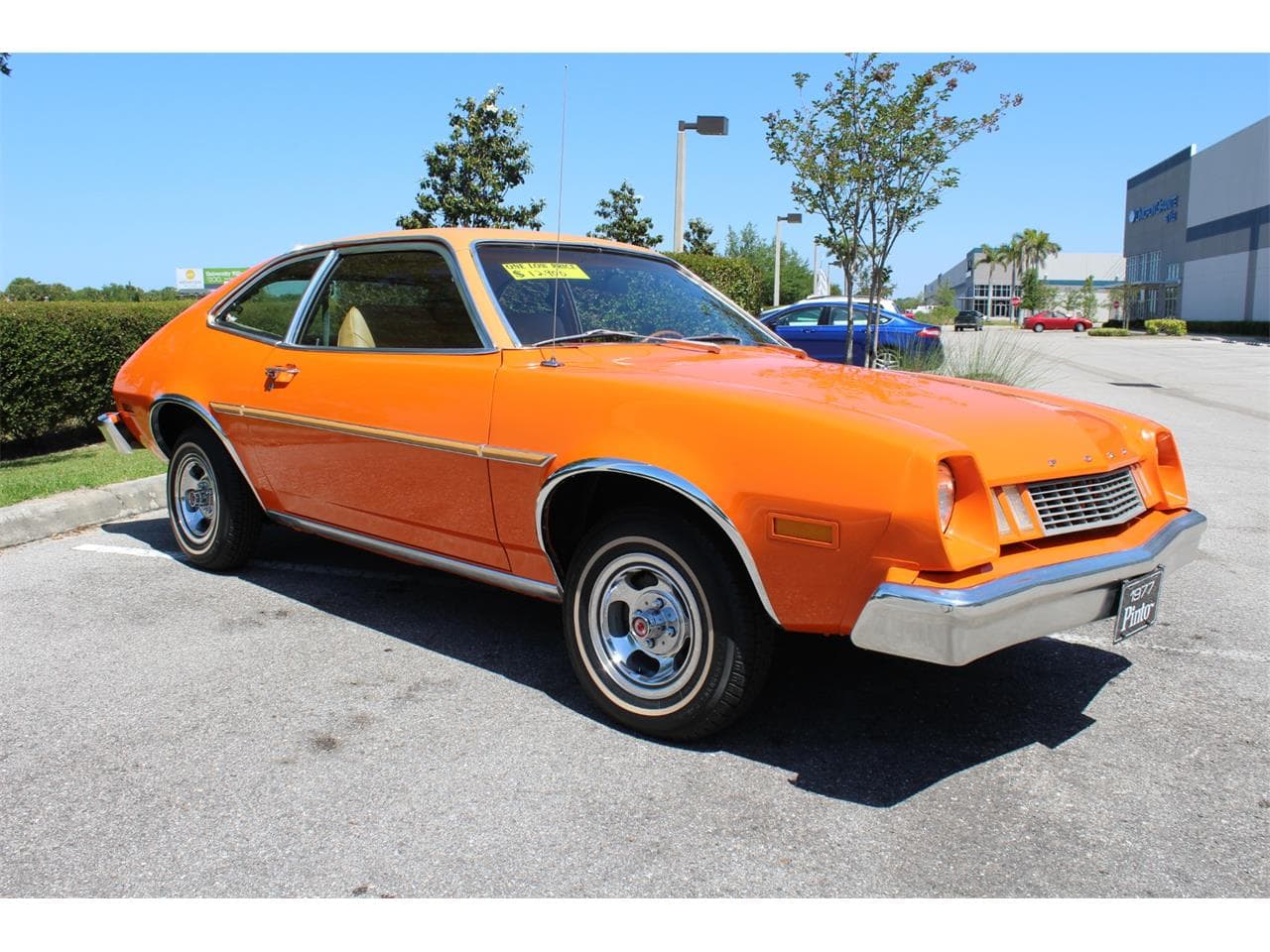
When the Ford Pinto rolled off assembly lines in 1971, the compact car was supposed to be America's answer to fuel-efficient Japanese imports. It was cheap, it was popular, and it was hiding a fatal flaw that Ford's own engineers had identified years before the first customer drove one home.
The Pinto's fuel tank sat just nine inches behind the rear bumper. In rear-end collisions at speeds above 20 miles per hour, the tank could rupture, leak gasoline, and ignite. The car could become a coffin on wheels. Ford knew this. The question was what they would do about it.
Initially, Ford executives dismissed safety concerns as overblown. The Pinto had passed federal safety tests—tests that, it turned out, didn't adequately simulate real-world rear-end crashes. Company spokespeople insisted the design was sound and that accidents of this severity were rare. Internal memos raising the issue were characterized as engineering caution rather than evidence of a genuine hazard. For the public and regulators, the Pinto seemed like any other car.
Then documents surfaced that changed everything.
During litigation in the late 1970s, Ford's internal cost-benefit analysis came to light. The company had calculated that a recall affecting all Pintos would cost approximately $11 per vehicle to install a protective shield. Multiply that by 11 million cars, and the total came to roughly $137 million. Meanwhile, Ford estimated the cost of lawsuits from deaths and injuries at $49.5 million—based on a government valuation of human life at roughly $200,000. The math was cold and clear: from a purely financial standpoint, it was cheaper to let people burn to death than to fix the cars.
The documents revealed that Ford had conducted crash tests showing the danger. Engineers had proposed solutions. Management had reviewed the data. And then Ford made a business decision to do nothing, betting that the liability costs would remain manageable and that most owners would never know what their car could do.
Get the 5 biggest receipts every week, straight to your inbox — plus an exclusive PDF: The Top 10 Conspiracy Theories Proven True in 2025-2026. No spam. No agenda. Just the papers they couldn't hide.
You just read "Ford Motor Company knew about deadly Pinto fuel tank defect …". We send ones like this every week.
No one's said anything yet. Be the first to drop your take.
Between 1971 and 1978, at least 27 people died in Pinto fires. Some estimates place the number much higher. Families who lost loved ones, survivors with severe burn injuries, and a horrified public eventually forced Ford's hand. The company recalled 1.5 million vehicles in 1978. The lawsuits that followed cost far more than the recall would have.
The Pinto case became the textbook example of corporate negligence prioritizing profit over human safety. It wasn't a conspiracy theory whispered in dark corners—it was documented fact, proven by Ford's own words.
What makes this claim matter today isn't just the tragedy it represents. It's the window it opens into how corporations make decisions when safety and money are in conflict. Ford didn't hide the Pinto's defect because they didn't know about it. They hid it because they calculated the risk. They knew, they counted the probable deaths, and they decided those deaths were acceptable losses.
That calculation is why documents matter. Why whistleblowers matter. Why we should remain skeptical when companies insist everything is safe and under control.
Beat the odds
This had a 1.9% chance of leaking — someone talked anyway.
Conspirators
~100Network
Secret kept
48.7 years
Time to 95% exposure
500+ years