After recording 1,968 adverse reactions including 358 serious events, Japan's health ministry suspended HPV vaccine recommendations in June 2013. Reported adverse events included POTS, chronic fatigue syndrome, and complex regional pain syndrome. Denmark saw similar declines. Merck's clinical trials used aluminum adjuvant (AAHS) as the 'placebo' control rather than saline, potentially masking neurological adverse events. Over 63,000 adverse event reports and 438 deaths have been filed with VAERS.
“We are suspending our proactive recommendation for HPV vaccination due to reports of chronic pain and other serious adverse events that require further investigation.”
From “crazy” to confirmed
The Claim Is Made
This is the moment they called it crazy.
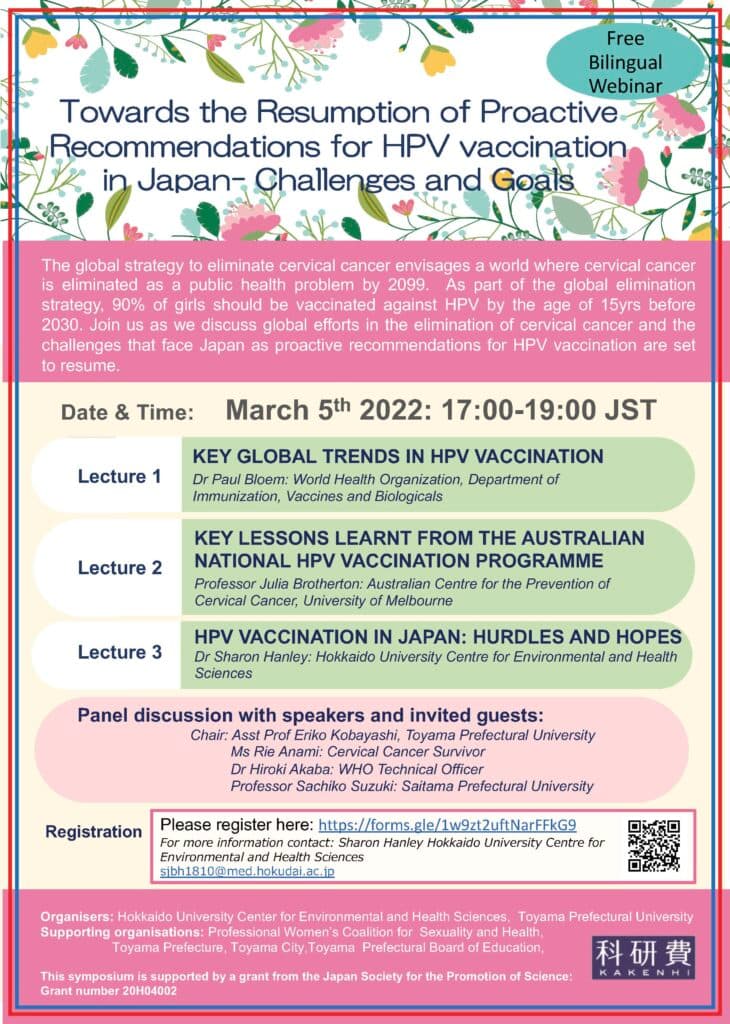
In June 2013, Japan's Ministry of Health, Labour and Welfare made a decision that would reverberate through global vaccine policy for years to come: it suspended its official recommendation for the human papillomavirus vaccine, despite having promoted it as recently as that same month. What triggered this abrupt reversal was not a sudden discovery of fraud, but rather a mounting pile of adverse event reports that officials could no longer ignore.
The claim itself was straightforward. According to Japan's health authorities, they had documented 1,968 adverse reactions following HPV vaccination, including 358 classified as serious events. These reports detailed debilitating conditions: postural orthostatic tachycardia syndrome (POTS), chronic fatigue syndrome, and complex regional pain syndrome—conditions that left some young women unable to attend school or work. The initial promise of the vaccine had been unambiguous: prevent cervical cancer with a safe immunization. By 2013, that narrative had fractured.
What makes this case particularly instructive is how the official response handled the evidence. Health authorities in Japan and internationally initially dismissed the adverse event reports as coincidental, lacking proven causation, or exaggerated by patients and their families. The World Health Organization and regulatory bodies in other countries continued to recommend the vaccine, suggesting that Japan was overreacting to anecdotal reports. Some framed the suspension as an example of how vaccine hesitancy could take root through misinformation.
Yet the documented evidence tells a more complex story. Japan's own pharmacovigilance system recorded those 1,968 adverse reactions with specificity—these were not rumors but official reports submitted through established medical channels. The timeline matters: vaccination rates had climbed to 70 percent during the government's active recommendation period. When the recommendation was suspended, those rates plummeted to less than 1 percent within months, suggesting that Japanese parents and doctors took the adverse event signals seriously when official backing was withdrawn.
Get the 5 biggest receipts every week, straight to your inbox — plus an exclusive PDF: The Top 10 Conspiracy Theories Proven True in 2025-2026. No spam. No agenda. Just the papers they couldn't hide.
You just read "Japan suspended its HPV vaccine recommendation after 1,968 a…". We send ones like this every week.
No one's said anything yet. Be the first to drop your take.
A crucial detail that has received less attention concerns the vaccine's clinical trials. Merck, the manufacturer of Gardasil, used aluminum hydroxyphosphate sulfate (AAHS)—the vaccine's adjuvant—as the "placebo" control in its trials rather than inert saline. This methodological choice meant that the control group experienced the same neurological stimulation from aluminum as the vaccine group, potentially masking any adverse neurological events that distinguished the vaccine from a true placebo. This is not a small technical detail; it strikes at the heart of how we assess safety.
The international picture reinforces the pattern. Denmark experienced similar concerns and subsequent declines in HPV vaccination uptake, though not to the same degree as Japan. Meanwhile, reports continue to accumulate in the United States Vaccine Adverse Event Reporting System (VAERS), with over 63,000 adverse event reports filed and 438 deaths recorded—numbers that deserve systematic investigation rather than dismissal.
What matters here is not whether one agrees with Japan's decision, but rather that a major health authority responded to safety signals from its own population. The suspension forces an uncomfortable question: if legitimate adverse events were being reported and documented, why was acknowledging them treated as a failure of the vaccine program rather than an opportunity to understand what was actually happening to these young women?
Public trust erodes not when problems are acknowledged, but when they are denied until acknowledgment becomes unavoidable.
Beat the odds
This had a 1.5% chance of leaking — someone talked anyway.
Conspirators
~300Network
Secret kept
12.9 years
Time to 95% exposure
500+ years