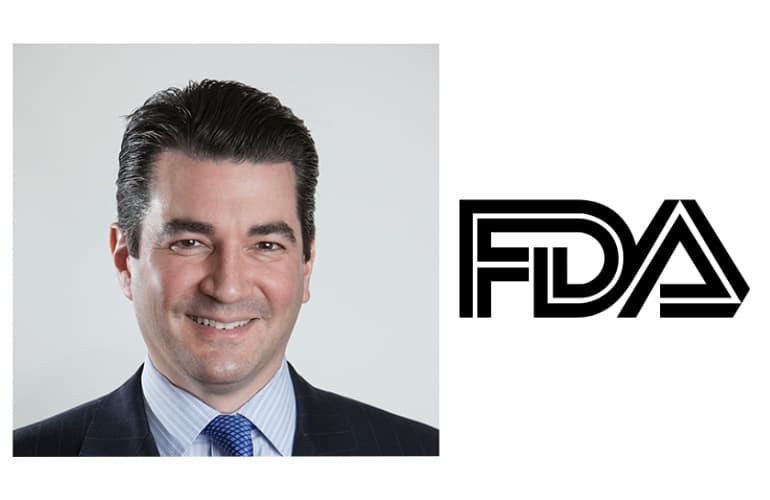
Gottlieb: FDA May 2017-April 2019, Pfizer board June 2019. Twitter Files: flagged tweets as Pfizer child vaccine pending. Twitter found no violation but labeled anyway.
“FDA Commissioner to Pfizer board in 3 months. Flags vaccine criticism. Revolving door is a conveyor belt.”
What they said vs. what the evidence shows
“Flagged misinformation endangering public health.”
— Gottlieb · Jan 2023
SourceFrom “crazy” to confirmed
The Claim Is Made
This is the moment they called it crazy.
When Scott Gottlieb stepped down as FDA Commissioner in April 2019, few anticipated what would happen next. Just two months later, in June 2019, he joined the board of directors at Pfizer—one of the pharmaceutical companies he had overseen as the nation's top drug regulator. The timing raised immediate questions about conflicts of interest, but what emerged years later was far more troubling: evidence suggesting regulatory capture at a critical moment in public health history.
For years, critics flagged this apparent conflict as a red flag for regulatory capture—the concern that industries can influence the agencies meant to police them. Defenders argued that post-government employment in regulated industries was standard practice and that Gottlieb's tenure at the FDA had ended cleanly. The official position was that there was nothing improper about the arrangement. Gottlieb had served his term. He was free to pursue private sector opportunities. Case closed.
That narrative shifted dramatically with the release of the Twitter Files in late 2022. Journalist Paul Thacker obtained internal Twitter communications revealing that during Gottlieb's time on Pfizer's board, he flagged vaccine-critical tweets for suppression. The context matters: Twitter was wrestling with content moderation decisions around COVID-19 vaccines, a product central to Pfizer's revenue and public image. When Gottlieb, a prominent voice and former regulator, flagged tweets questioning vaccine safety as potentially violating Twitter's policies, the platform took action.
Get the 5 biggest receipts every week, straight to your inbox — plus an exclusive PDF: The Top 10 Conspiracy Theories Proven True in 2025-2026. No spam. No agenda. Just the papers they couldn't hide.
You just read "FDA Commissioner joined Pfizer board in 3 months, flagged va…". We send ones like this every week.
No one's said anything yet. Be the first to drop your take.
Source: FDA Commissioner joined Pfizer board in 3 months, flagged vaccine-critical tweet
Confirmed: They Were Right
The truth comes out. Officially documented.
Confirmed: They Were Right
The truth comes out. Officially documented.
Twitter's own investigation found that the flagged tweets did not actually violate the platform's misinformation policies. Yet the company labeled them anyway. This wasn't a case of Twitter independently concluding that dangerous misinformation needed correction. It was a former FDA chief—someone with regulatory authority over Pfizer just months prior—identifying tweets for suppression, and Twitter complying even when its own fact-checkers found no violation.
The documentation revealed something more subtle but perhaps more significant than outright censorship: the blending of regulatory authority, corporate interest, and content moderation. Gottlieb had moved from a position where he could theoretically restrict Pfizer's actions as a company to a position where he could influence public discourse about Pfizer's products. Whether intentional or not, the structural incentives aligned perfectly.
Critics had been dismissed as paranoid when they raised concerns about the three-month gap between Gottlieb's FDA departure and his Pfizer board appointment. "Sour grapes," opponents said. "Conspiracy thinking," others claimed. But the Twitter Files made the concern concrete. Here was documented evidence of a former regulator influencing content decisions at a major platform regarding products from a company paying him a board seat. The claim that such timing and behavior raised legitimate questions about conflicts of interest was vindicated.
This matters because public trust in health institutions depends on the perception—and reality—of independence. When former regulators immediately join the boards of regulated companies, and when those individuals subsequently influence public discourse about those companies' products, it corrodes the credibility of both the regulatory agency and the regulated industry. The revolving door between the FDA and pharmaceutical boards wasn't new, but the evidence of its consequences was. The question isn't whether this was technically illegal. It's whether a system that permits it can genuinely claim to serve the public interest.
Beat the odds
This had a 0.1% chance of leaking — someone talked anyway.
Conspirators
~300Network
Secret kept
0.5 years
Time to 95% exposure
500+ years