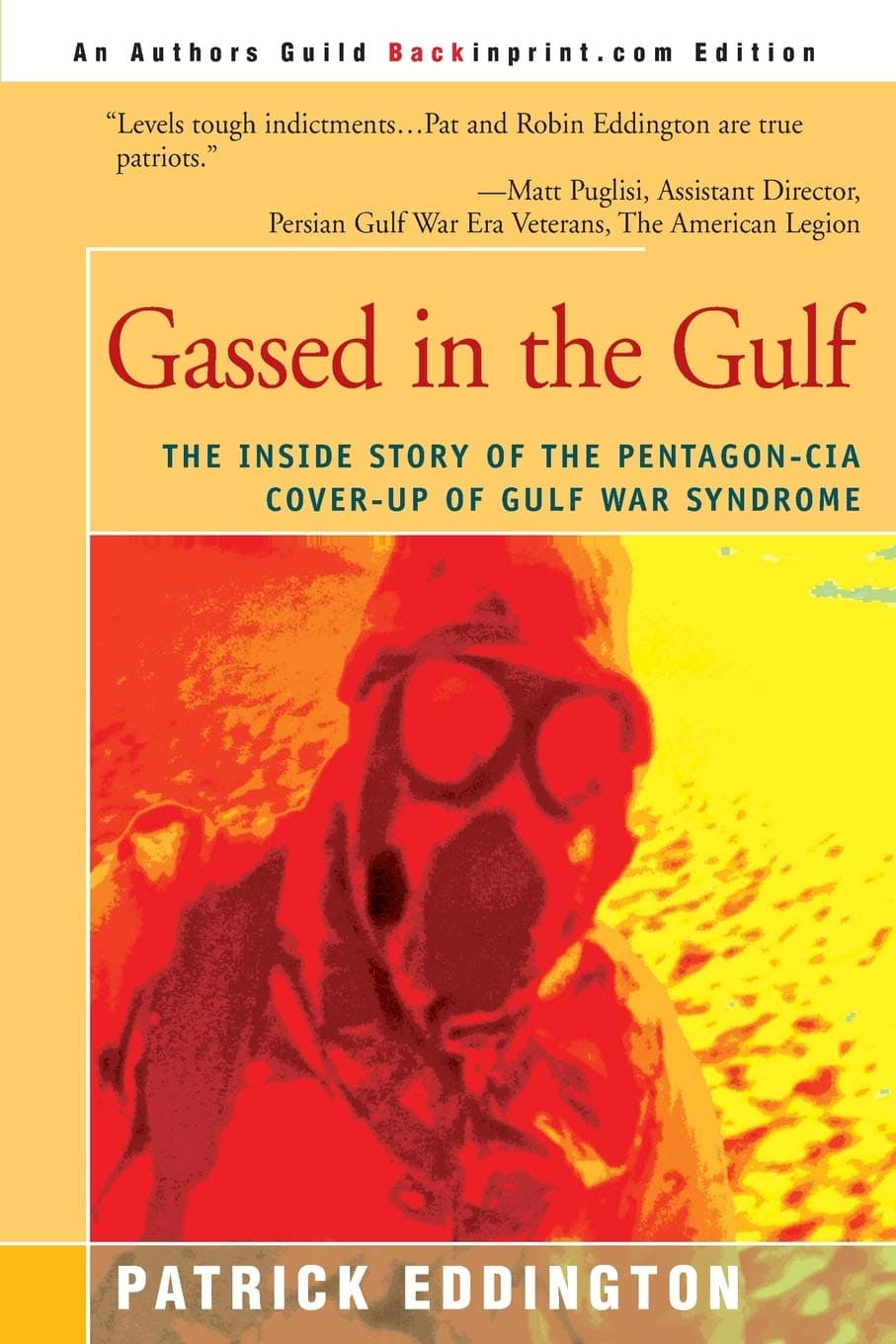
After the 1991 Gulf War, thousands of veterans reported chronic multi-symptom illness. The Pentagon and VA dismissed their complaints as stress-related or psychosomatic for over a decade. In 2008, a congressionally mandated Research Advisory Committee concluded Gulf War illness was a distinct physical condition caused by exposure to pesticides and nerve agent pills given to troops. An estimated 250,000 veterans were affected.
“Something made us sick during the Gulf War — the chemicals, the pills they gave us, the depleted uranium. This is not in our heads.”
What they said vs. what the evidence shows
“There is no evidence of a unique Gulf War Syndrome. The symptoms reported are consistent with stress-related conditions common after deployment.”
— Pentagon / Department of Defense · Jan 1994
SourceFrom “crazy” to confirmed
The Claim Is Made
This is the moment they called it crazy.
In 1991, American troops returned from the Persian Gulf with something unexpected. Thousands of veterans began experiencing a constellation of symptoms: chronic fatigue, joint pain, cognitive problems, rashes, and respiratory issues. They had no clear diagnosis, but they knew something was wrong. The Pentagon and Department of Veterans Affairs had a different theory: it was all in their heads.
For more than a decade, military and federal health officials dismissed Gulf War illness as a psychological condition triggered by stress. Veterans who reported debilitating symptoms were told their complaints lacked a physical basis. The official position was remarkably consistent—and remarkably wrong.
The turning point came in 2008, when a congressionally mandated Research Advisory Committee on Gulf War Veterans' Illnesses released its findings. The committee's conclusion was unambiguous: Gulf War illness was a distinct, measurable physical condition. It wasn't stress. It wasn't imagination. It was real.
The committee identified the likely culprits: pesticide exposure and pyridostigmine bromide, a nerve agent antidote that troops were given as a preventive measure. These substances, alone or in combination, appeared to have caused lasting neurological damage in an estimated 250,000 veterans. This wasn't speculation—it was backed by research and epidemiological evidence that had accumulated over years of study.
What makes this case significant isn't just that the Pentagon was wrong. It's that they were wrong while having authority over the people affected. Veterans couldn't get proper medical care because their condition wasn't officially recognized. They couldn't access treatment protocols. They couldn't pursue disability claims effectively. For years, the institutional response to their suffering was essentially: prove it differently.
Get the 5 biggest receipts every week, straight to your inbox — plus an exclusive PDF: The Top 10 Conspiracy Theories Proven True in 2025-2026. No spam. No agenda. Just the papers they couldn't hide.
You just read "Gulf War Syndrome was real: denied by the Pentagon for years…". We send ones like this every week.
No one's said anything yet. Be the first to drop your take.
Confirmed: They Were Right
The truth comes out. Officially documented.
Confirmed: They Were Right
The truth comes out. Officially documented.
The denial served institutional interests. Acknowledging a widespread, service-connected illness would have massive budgetary implications for the VA and potential liability questions for the military. It was easier to attribute symptoms to stress or to dismiss them as unproven. That calculus changed only when Congress demanded independent research.
The New York Times reported on the 2008 findings with appropriate gravity. Here was a federal committee confirming what thousands of veterans had been saying all along. The validation came too late for those years of dismissal, but at least it was official.
This case illustrates a recurring pattern in institutional accountability: authorities often resist acknowledging problems until forced by outside pressure. The Pentagon didn't suddenly discover new evidence in 2008. The evidence had been accumulating for years. What changed was that Congress mandated an independent review, removing the conflict of interest that had previously shaped the official narrative.
For veterans, the 2008 report meant potential access to treatment and disability benefits. For the broader conversation about institutional transparency, it meant something else: a reminder that official denials don't equal truth. When powerful institutions have incentives to dismiss claims, skepticism of their denials is warranted.
The Gulf War Syndrome case belongs in any discussion of verified claims once denied. It's a documented example of how long institutional resistance can persist, and how thoroughly that resistance can be overcome by evidence and congressional will.
Unlikely leak
Only 6.5% chance this would come out. It did.
Conspirators
~1,000Large op
Secret kept
16.9 years
Time to 95% exposure
500+ years