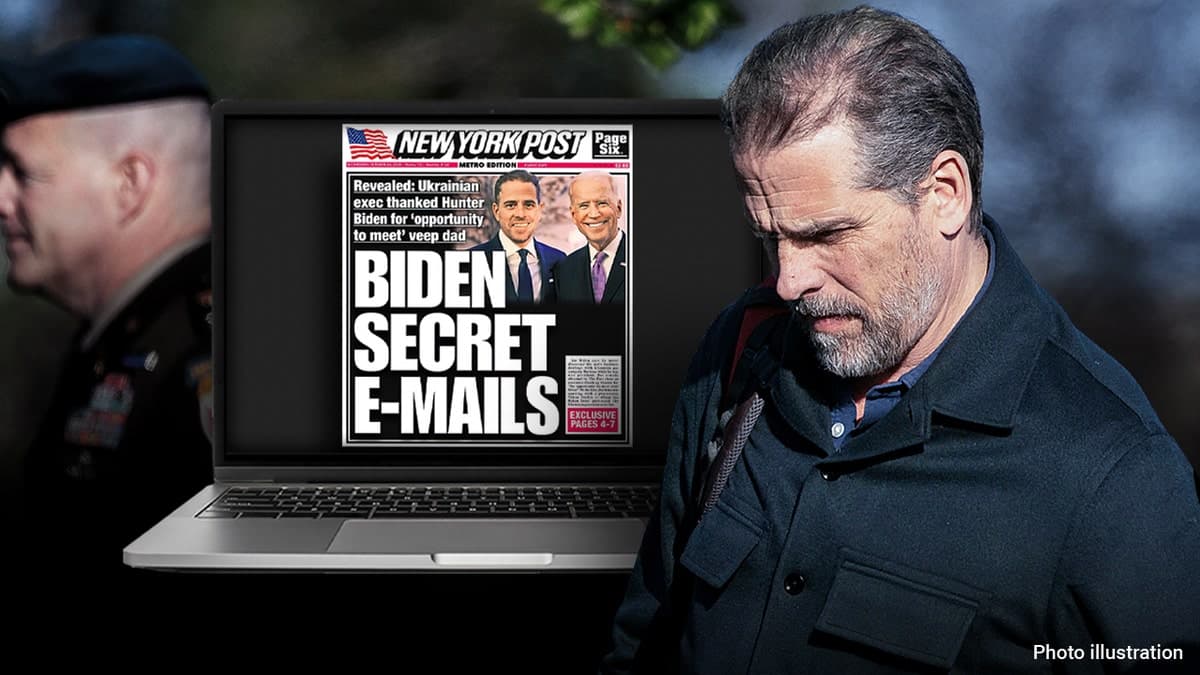
In October 2020, the New York Post published emails from a laptop abandoned at a Delaware repair shop by Hunter Biden. 51 former intelligence officials signed a letter suggesting it had 'all the classic earmarks of a Russian information operation.' Social media platforms censored the story. By 2022, the New York Times and Washington Post authenticated the emails. Hunter Biden was later convicted on federal charges partly linked to evidence from the laptop.
“This laptop belongs to Hunter Biden and contains authentic emails showing concerning business dealings. It is not Russian disinformation.”
What they said vs. what the evidence shows
“The arrival of this laptop has all the classic earmarks of a Russian information operation.”
— 51 Former Intelligence Officials · Oct 2020
SourceFrom “crazy” to confirmed
The Claim Is Made
This is the moment they called it crazy.
In October 2020, weeks before a presidential election, the New York Post published a story that would become one of the most controversial media moments in recent history. The outlet had obtained a laptop allegedly belonging to Hunter Biden, the son of then-candidate Joe Biden, containing emails and other data. The story was immediately attacked as unreliable, and major social media platforms restricted its distribution.
Within days, 51 former intelligence officials—including ex-CIA directors and other prominent national security figures—signed a letter stating the material had "all the classic earmarks of a Russian information operation." They didn't claim to have examined the laptop. They simply said its characteristics matched known Russian tactics. Major news organizations largely declined to cover the story, citing concerns about its authenticity. Twitter and Facebook limited the Post's ability to share the article. The narrative became locked in place: this was Russian disinformation designed to interfere in the election.
For more than a year, this remained the dominant understanding. Anyone suggesting the laptop might be real faced accusations of promoting conspiracy theories or Russian propaganda themselves. The dismissal was so effective that it shaped media coverage of the 2020 election and the months that followed.
But the authentication came quietly, without fanfare matching the original denials. In March 2022, the New York Times reported that it had verified some of the emails on the laptop as authentic. Months later, the Washington Post reached the same conclusion, confirming the data's authenticity through its own forensic analysis. The emails were genuine. The laptop was real.
The implications extended beyond media criticism. In 2024, Hunter Biden faced federal charges related to gun violations and tax matters. Prosecutors used evidence from the laptop in their case. He was convicted on some of those charges. The device that intelligence officials had suggested was a Russian trick had become evidence in a real criminal prosecution.
Get the 5 biggest receipts every week, straight to your inbox — plus an exclusive PDF: The Top 10 Conspiracy Theories Proven True in 2025-2026. No spam. No agenda. Just the papers they couldn't hide.
You just read "Hunter Biden's laptop was authentic, not Russian disinformat…". We send ones like this every week.
No one's said anything yet. Be the first to drop your take.
Confirmed: They Were Right
The truth comes out. Officially documented.
Confirmed: They Were Right
The truth comes out. Officially documented.
What makes this case significant isn't simply that the laptop turned out to be authentic. It's the gap between institutional confidence and actual truth. Fifty-one people with deep experience in intelligence work signed their names to a letter expressing certainty about something they hadn't investigated. Major platforms restricted information based on that letter's implications. Journalists cited it as justification for not reporting the story. None of this required malice or conspiracy—just the ordinary human tendency to defer to authority and assume others had done their homework.
The damage to public trust was substantial. People who had been ridiculed for questioning the dismissal of the story had reason to feel vindicated. Those who had relied on the officials' assessment had reason to question their judgment going forward. The episode created a difficult precedent: when officials make confident claims about information operations, how seriously should citizens take them?
The Hunter Biden laptop case demonstrates a fundamental problem in modern information environments. Institutions move quickly to protect narratives, sometimes without sufficient evidence. The truth emerges later, often to less fanfare than the original claim. By then, the public has already formed opinions and the damage to institutional credibility is done. Rebuilding trust requires acknowledging not just that claims were wrong, but understanding why confidence exceeded evidence.
Beat the odds
This had a 0.3% chance of leaking — someone talked anyway.
Conspirators
~500Large op
Secret kept
1.4 years
Time to 95% exposure
500+ years