In-Q-Tel, founded by the CIA in 1999, has invested in over 800 companies, funding technologies later used for mass surveillance. Its portfolio includes Palantir ($250B valuation), Keyhole Inc (became Google Earth), and Anduril. Much of its investment goes into data mining tools that collect and analyze social media data from Twitter, Facebook, and Instagram to monitor activists and 'decision-makers.' A Wall Street Journal investigation found nearly half of In-Q-Tel's trustees had financial connections to funded companies. Some investments remain classified.
“The CIA has a secret venture capital fund that invests in Silicon Valley companies to build surveillance technology. Many popular tech products have intelligence agency origins.”
From “crazy” to confirmed
The Claim Is Made
This is the moment they called it crazy.
For decades, the idea that American intelligence agencies secretly funded Silicon Valley startups was dismissed as paranoid fantasy. The CIA was supposed to spy on foreign threats, not pick winners in the tech market. Yet in 1999, the agency did exactly that, launching In-Q-Tel, a venture capital fund designed to identify and invest in emerging technologies before the private sector caught up.
The claim that the CIA was directly involved in funding tech companies seemed implausible to many. Intelligence agencies operated in the shadows, or so the public believed. Why would they openly create an investment vehicle? Critics dismissed suggestions of CIA-backed tech funds as conspiracy theory material, the kind of thinking that belonged on fringe websites, not serious consideration.
What changed wasn't the story itself. What changed was transparency. In-Q-Tel never really hid what it was doing. The organization maintains a public website listing many of its investments. NPR documented the fund's operations in detailed reporting. Wikipedia maintains a straightforward entry about its history. The information was available; most people simply weren't paying attention.
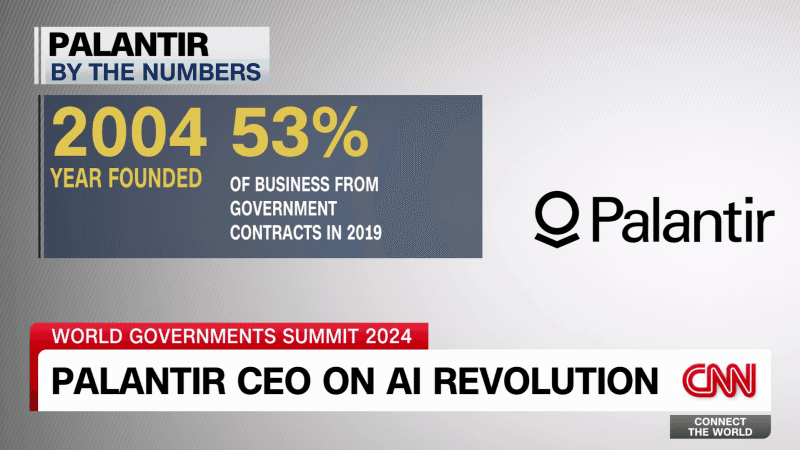
The scope of In-Q-Tel's portfolio is what makes this claim significant. Over 800 companies have received backing from this CIA-created fund. The list reads like a who's who of transformative technology. Palantir, now valued at $250 billion, specializes in data mining and analysis tools that can process massive datasets to identify patterns invisible to human analysts. Keyhole Inc., an early In-Q-Tel investment, was acquired by Google and became Google Earth, giving the agency access to satellite imagery technology at scale. Anduril, another portfolio company, develops military drone technology and surveillance systems.
Get the 5 biggest receipts every week, straight to your inbox — plus an exclusive PDF: The Top 10 Conspiracy Theories Proven True in 2025-2026. No spam. No agenda. Just the papers they couldn't hide.
You just read "The CIA runs a venture capital fund (In-Q-Tel) that has back…". We send ones like this every week.
No one's said anything yet. Be the first to drop your take.
Confirmed: They Were Right
The truth comes out. Officially documented.
Confirmed: They Were Right
The truth comes out. Officially documented.
A Wall Street Journal investigation revealed something more troubling about the fund's operations: nearly half of In-Q-Tel's trustees maintained financial connections to the very companies the fund invested in. This created potential conflicts of interest, where individuals stood to benefit personally from their investment decisions on behalf of the government.
Perhaps most relevant to contemporary concerns is what In-Q-Tel funds are actually used for. Many investments support data mining tools designed to collect and analyze social media data from platforms like Twitter, Facebook, and Instagram. According to documented reporting, these tools have been used to monitor activists, track what the agency describes as "decision-makers," and build comprehensive profiles of ordinary Americans based on their online activity.
Some of In-Q-Tel's investments remain classified, meaning the public will never know exactly what the CIA has funded or how it's being used.
This matters because it illustrates how claims dismissed as conspiracy theories often contain kernels of uncomfortable truth. The people who suggested the CIA had its hands in Silicon Valley weren't making unfounded accusations—they were describing publicly available facts that most people ignored or disbelieved. It raises a harder question: how many other "conspiracy theories" are simply unpopular truths hiding in plain sight, waiting for enough people to pay attention?
Beat the odds
This had a 0.6% chance of leaking — someone talked anyway.
Conspirators
~150Network
Secret kept
9.5 years
Time to 95% exposure
500+ years