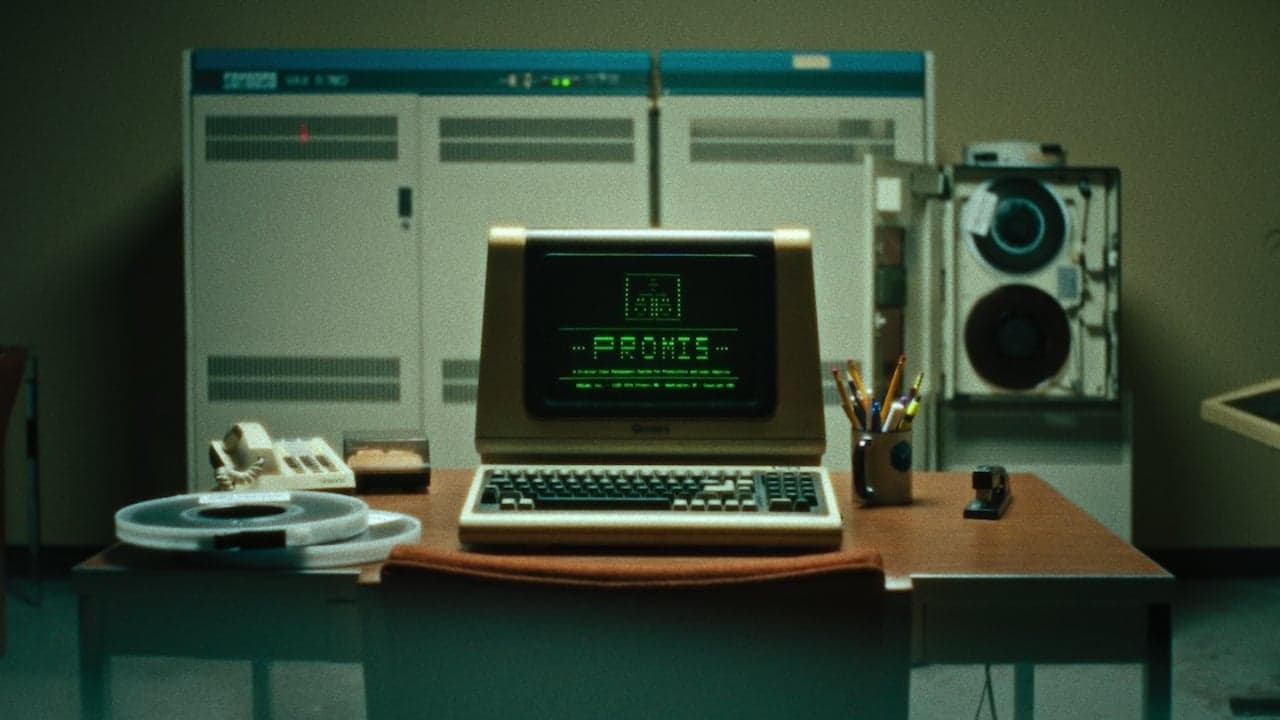
In 1982, the DOJ awarded Inslaw a $10 million contract for PROMIS case-management software, then withheld payments after the owners refused to sell to a friend of the Attorney General. A bankruptcy court found the DOJ engaged in 'trickery, fraud and deceit.' Journalist Danny Casolaro, investigating connections between PROMIS, Iran-Contra, and BCCI (which he called 'The Octopus'), was found dead in a hotel bathtub in 1991, ruled a suicide.
“The Department of Justice stole PROMIS through trickery, fraud and deceit, then modified it with a backdoor and distributed it to intelligence agencies worldwide.”
From “crazy” to confirmed
The Claim Is Made
This is the moment they called it crazy.
A bankruptcy court in Washington, D.C. found in 1992 that the Department of Justice had engaged in "trickery, fraud and deceit" against a software company called Inslaw. This wasn't a minor contract dispute. It involved a case-management program called PROMIS that the government allegedly stole, modified with surveillance backdoors, and distributed to intelligence agencies and foreign governments.
Inslaw, founded by Bill and Nancy Hamilton, won a $10 million DOJ contract in 1982 to develop PROMIS—software designed to track court cases and criminal defendants. The system was innovative for its time, giving law enforcement unprecedented ability to manage and cross-reference data across jurisdictions. But after the Hamiltons refused to sell their company to a businessman connected to Attorney General Edwin Meese, the DOJ began withholding payment. By 1985, Inslaw filed for bankruptcy.
The official story from the DOJ was straightforward: this was a routine contract dispute involving disagreements over software specifications and performance. The government denied any wrongdoing or theft. The case should have ended quietly, another Washington footnote.
But the bankruptcy court found something different. Investigators documented that DOJ officials had misappropriated the PROMIS software, modified it without authorization, and distributed it to other agencies and foreign governments. The court's conclusion was damning. Yet somehow, the findings didn't trigger criminal charges or major media attention at the time.
Enter Danny Casolaro, a freelance journalist who became obsessed with connecting the dots. Starting in 1990, Casolaro investigated PROMIS alongside other scandals: Iran-Contra, the BCCI banking scandal, and alleged CIA drug trafficking. He believed these threads connected to what he called "The Octopus"—a vast web of criminal enterprise spanning government, intelligence, and organized crime.
Get the 5 biggest receipts every week, straight to your inbox — plus an exclusive PDF: The Top 10 Conspiracy Theories Proven True in 2025-2026. No spam. No agenda. Just the papers they couldn't hide.
You just read "The DOJ stole PROMIS software, added backdoors, and sold it …". We send ones like this every week.
No one's said anything yet. Be the first to drop your take.
In August 1991, Casolaro was found dead in a bathtub at the Sheraton Hotel in Martinsburg, West Virginia. His wrists were slashed multiple times. Police ruled it a suicide, though Casolaro had told friends he was close to a breakthrough and had arranged a meeting with sources. No suicide note was found. His research materials disappeared.
What makes this claim "partially verified" is the bankruptcy court's findings—those are real and documented. The DOJ did misappropriate the software. The Hamiltons' legal victory stands in the record. But the larger allegations remain unproven: whether PROMIS backdoors were actually installed, which governments received the modified software, and whether there was any connection to Casolaro's death.
The journalist's death transformed PROMIS from a government scandal into something darker. It became the kind of story people whisper about—too convenient, too neat, too perfectly silencing.
This case matters because it sits at the intersection of documented government misconduct and genuine unsolved questions. The theft happened. The deception was real. What remains unresolved is whether accountability ever followed, and whether asking too publicly about the answers carries a cost. That uncertainty, perhaps more than any single fact, is what erodes public trust in institutions.
Unlikely leak
Only 7.8% chance this would come out. It did.
Conspirators
~500Large op
Secret kept
40.3 years
Time to 95% exposure
500+ years