A 2021 Congressional investigation found that popular baby food brands including Gerber, Beech-Nut, and HappyBABY had 'dangerous' levels of toxic heavy metals. Internal company documents showed manufacturers were aware of contamination but routinely ignored their own internal standards and failed to test finished products. Companies sold products with arsenic levels up to 91x the FDA's limit for bottled water. The FDA's 'Closer to Zero' initiative was launched only after congressional pressure.
“Internal company documents show baby food manufacturers were aware of high levels of toxic heavy metals in their products and continued to sell them.”
From “crazy” to confirmed
The Claim Is Made
This is the moment they called it crazy.
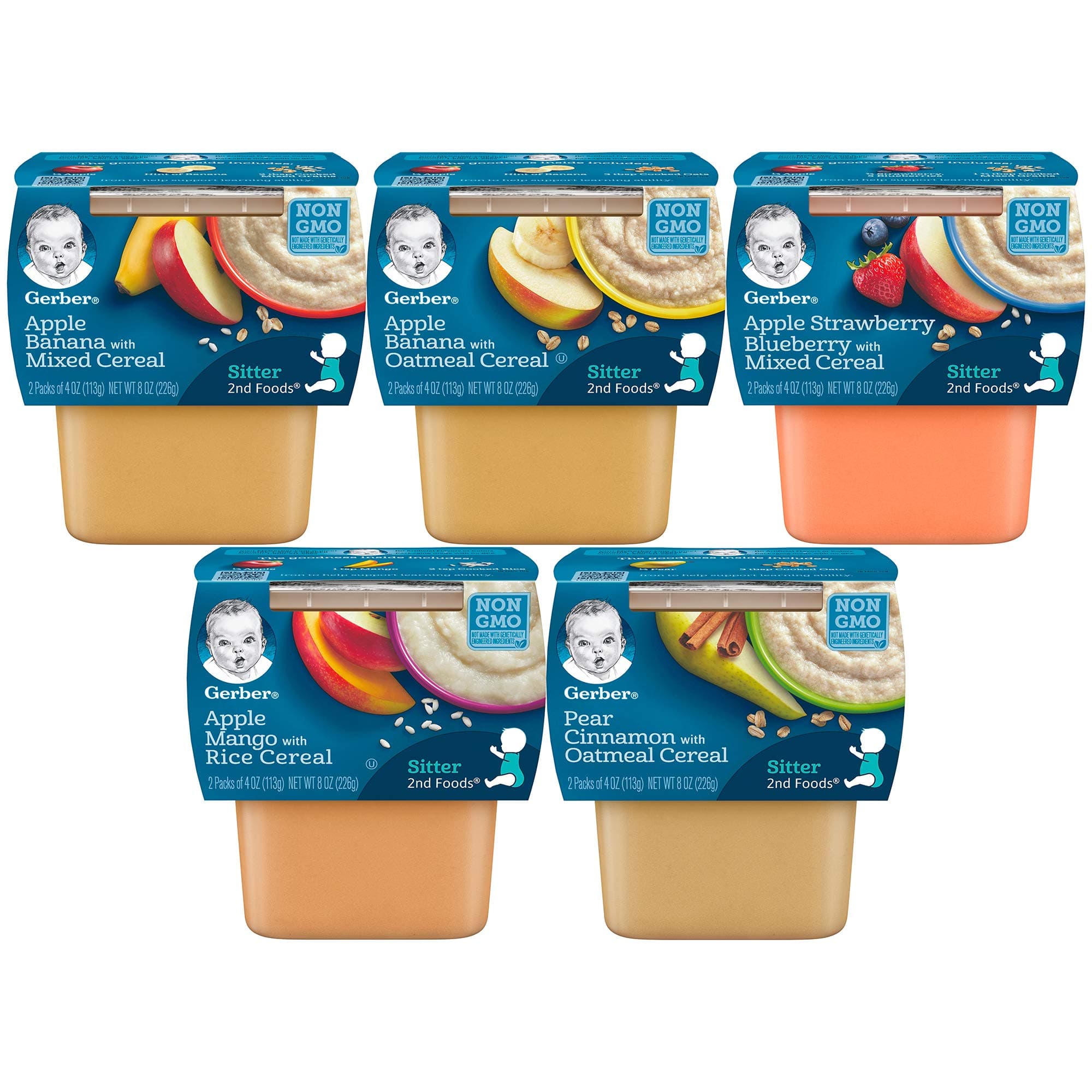
When parents bought jars of Gerber baby food from supermarket shelves, they operated under a simple assumption: the products had been tested and deemed safe. A 2021 Congressional investigation shattered that assumption, revealing that major manufacturers had knowingly distributed baby food contaminated with dangerous levels of lead, arsenic, cadmium, and mercury to millions of American infants.
The investigation, which examined internal company documents from manufacturers including Gerber, Beech-Nut, and HappyBABY, found something far more troubling than accidental contamination. These companies possessed their own internal safety standards and test results showing toxic heavy metal levels that exceeded even their own thresholds. Yet they continued selling the products anyway. In some cases, arsenic levels reached 91 times the FDA's limit for bottled water—a standard ostensibly designed to protect the most vulnerable consumers.
For years, the official response from regulators and manufacturers was consistent: heavy metals in baby food were unavoidable byproducts of agriculture and processing. The FDA maintained that trace amounts posed no significant health risk. Industry representatives argued that they followed all existing regulations and that stricter standards weren't scientifically justified. The framing was one of reassurance—parents were told there was no cause for alarm.
The Congressional investigation demolished this narrative. Internal company documents showed that manufacturers were conducting tests, identifying contamination, and then choosing not to act. They ignored their own internal safety protocols. They failed to implement adequate testing procedures for finished products. Some facilities maintained awareness of the problem while continuing production unchanged. This wasn't a case of unknowing negligence. This was a documented pattern of knowing non-compliance.
Get the 5 biggest receipts every week, straight to your inbox — plus an exclusive PDF: The Top 10 Conspiracy Theories Proven True in 2025-2026. No spam. No agenda. Just the papers they couldn't hide.
You just read "Major baby food brands knowingly sold products with dangerou…". We send ones like this every week.
No one's said anything yet. Be the first to drop your take.
Confirmed: They Were Right
The truth comes out. Officially documented.
Confirmed: They Were Right
The truth comes out. Officially documented.
The revelations forced the FDA's hand. In 2021, under Congressional pressure, the agency launched its "Closer to Zero" initiative—a plan to reduce heavy metal contaminants in baby food. The timing is worth noting. The FDA had possessed authority to establish stricter limits long before this initiative existed. Regulators had access to contamination data. Yet it took public Congressional investigation and media attention to trigger action.
The documented evidence—internal memos, test results, and compliance records—proved that companies knew about the contamination and chose their response anyway. They calculated that continuing sales was preferable to admitting a problem or reformulating products.
What makes this case significant isn't simply that a public health threat existed. Contaminated food reaches infants during critical developmental windows, potentially causing irreversible neurological damage. What matters is that institutions designed to protect the most vulnerable—regulatory agencies and the companies themselves—had the information necessary to prevent harm and chose not to act until forced.
This case demonstrates why institutional transparency matters. When companies control information about product safety and regulators lack aggressive oversight, the gap between what officials claim is safe and what internal data reveals can be vast. Parents made purchasing decisions based on incomplete information provided by entities that possessed complete information.
The verification of this claim didn't vindicate conspiracy thinking. It vindicated the principle that documented evidence of institutional knowledge and inaction matters more than official reassurances. It proved that sometimes the concerning questions parents asked were justified all along.
Beat the odds
This had a 0.1% chance of leaking — someone talked anyway.
Conspirators
~300Network
Secret kept
0.6 years
Time to 95% exposure
500+ years