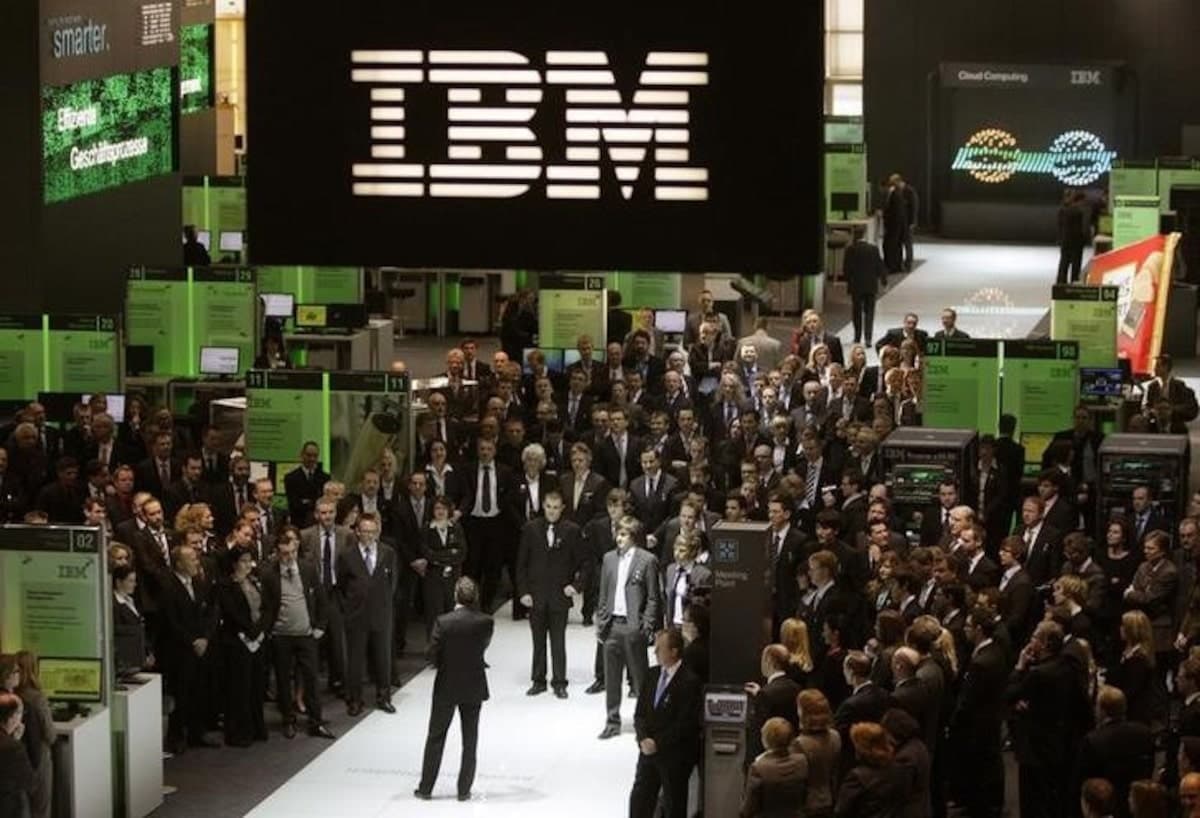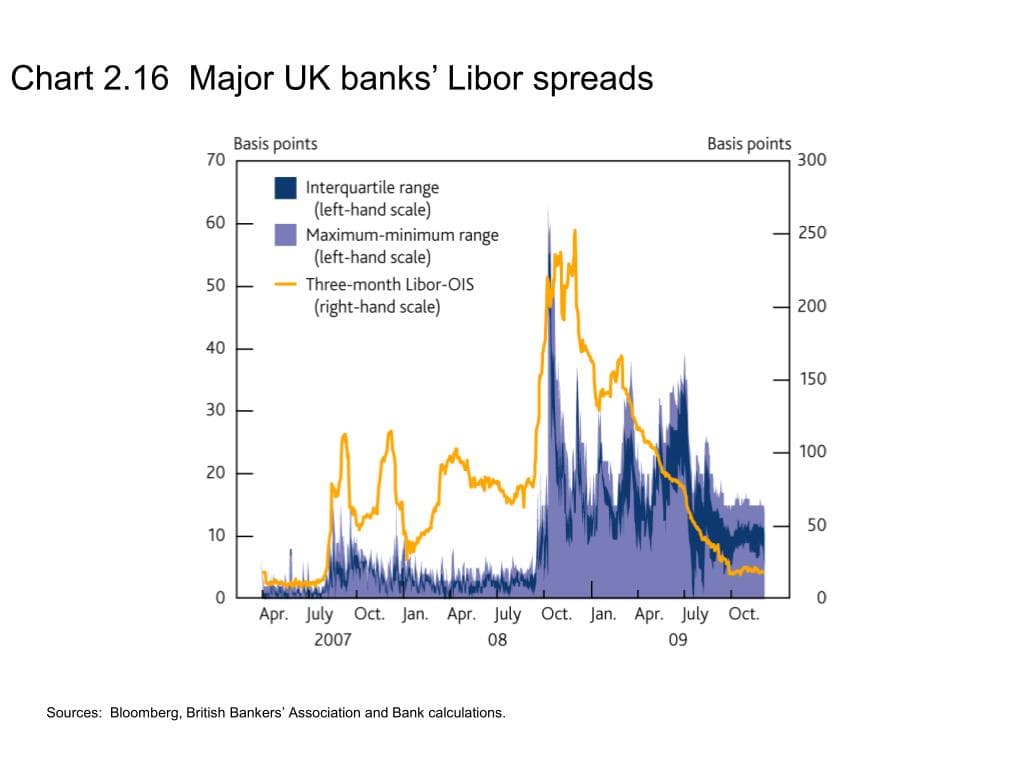
The London Interbank Offered Rate (LIBOR) — underpinning $350 trillion in financial contracts — was systematically rigged by major banks including Barclays, Deutsche Bank, UBS, and JPMorgan. Internal communications showed traders casually requesting rate changes. Banks paid over $9 billion in fines. Multiple traders were convicted. The manipulation affected mortgage rates, student loans, and derivatives worldwide for years.
“The banks are rigging LIBOR. The most important interest rate in the world is being manipulated by a cartel of major banks for profit.”
What they said vs. what the evidence shows
“LIBOR is the most reliable and widely used benchmark rate globally. Suggestions of systematic manipulation are unfounded.”
— British Bankers' Association · Jun 2008
SourceFrom “crazy” to confirmed
The Claim Is Made
This is the moment they called it crazy.
In 2012, regulators and journalists began piecing together a story that would reshape financial oversight globally: the London Interbank Offered Rate—LIBOR—the benchmark interest rate underlying roughly $350 trillion in financial contracts, had been systematically manipulated by some of the world's largest banks for years.
The claims initially emerged from regulatory investigations, particularly by the U.S. Commodity Futures Trading Commission and the Department of Justice. Traders and submitters at major institutions including Barclays, Deutsche Bank, UBS, and JPMorgan had allegedly colluded to move LIBOR in directions that would profit their personal trading positions. The financial industry's response was predictable: denial, claims of misinterpretation, and arguments that any involvement was isolated to rogue employees acting without institutional knowledge.
But the evidence told a different story. Internal communications—emails and recorded phone calls—revealed traders casually requesting colleagues submit false rates. "We need to keep the LIBOR low," one trader wrote. Another admitted, "We are just making sure that we are keeping the cash happy." These weren't cryptic conspirators; they were finance professionals openly discussing rate manipulation in writing, seemingly confident they would never face consequences.
The smoking gun came from internal Barclays documents that showed managers knew traders were submitting false rates and in some cases encouraged it. During the 2008 financial crisis, when banks desperately wanted LIBOR to appear lower to suggest financial health, the manipulation intensified. The same banks receiving taxpayer bailouts were simultaneously rigging the rate that would determine borrowing costs for millions of ordinary people.
Get the 5 biggest receipts every week, straight to your inbox — plus an exclusive PDF: The Top 10 Conspiracy Theories Proven True in 2025-2026. No spam. No agenda. Just the papers they couldn't hide.
You just read "Major banks systematically manipulated LIBOR interest rates,…". We send ones like this every week.
No one's said anything yet. Be the first to drop your take.
Confirmed: They Were Right
The truth comes out. Officially documented.
Confirmed: They Were Right
The truth comes out. Officially documented.
Between 2008 and 2013, multiple regulatory bodies across the United States, United Kingdom, and Europe launched investigations. The findings were comprehensive and devastating. Barclays paid $450 million in 2012 to settle charges. UBS followed with a $1.5 billion settlement. Deutsche Bank eventually paid over $2.5 billion. JPMorgan and other institutions added billions more. In total, banks paid more than $9 billion in fines across numerous settlements.
The criminal consequences extended beyond fines. Individual traders were convicted and imprisoned. Tom Hayes, a rate manipulation architect at UBS, received a five-year prison sentence. Others faced similar consequences. These weren't hypothetical violations or technical infractions—they were concrete criminal convictions for fraud.
The real damage, however, extended far beyond the banks that got caught. LIBOR's manipulation affected mortgage rates paid by homeowners, student loan interest rates, derivatives portfolios, and pension fund valuations. The systematic rigging meant that for years, the pricing mechanism for global financial contracts was essentially corrupted. Billions in wealth shifted from ordinary borrowers and savers to banks and traders capable of moving rates in their favor.
What's notable about LIBOR isn't that financial institutions ever attempted manipulation—that's almost predictable given incentive structures. What's striking is that this was so systematic, so documented, and so accepted within major institutions that it took regulators years to fully expose. The scandal revealed that the financial industry's self-regulatory mechanisms had failed catastrophically.
Today, LIBOR is being phased out in favor of alternative rates. But the underlying question remains: how many other supposedly objective financial benchmarks remain vulnerable to similar manipulation? The LIBOR scandal didn't just verify a claim—it shattered an assumption that financial markets operate on transparent, trustworthy foundations.
Beat the odds
This had a 0.2% chance of leaking — someone talked anyway.
Conspirators
~100Network
Secret kept
4.2 years
Time to 95% exposure
500+ years