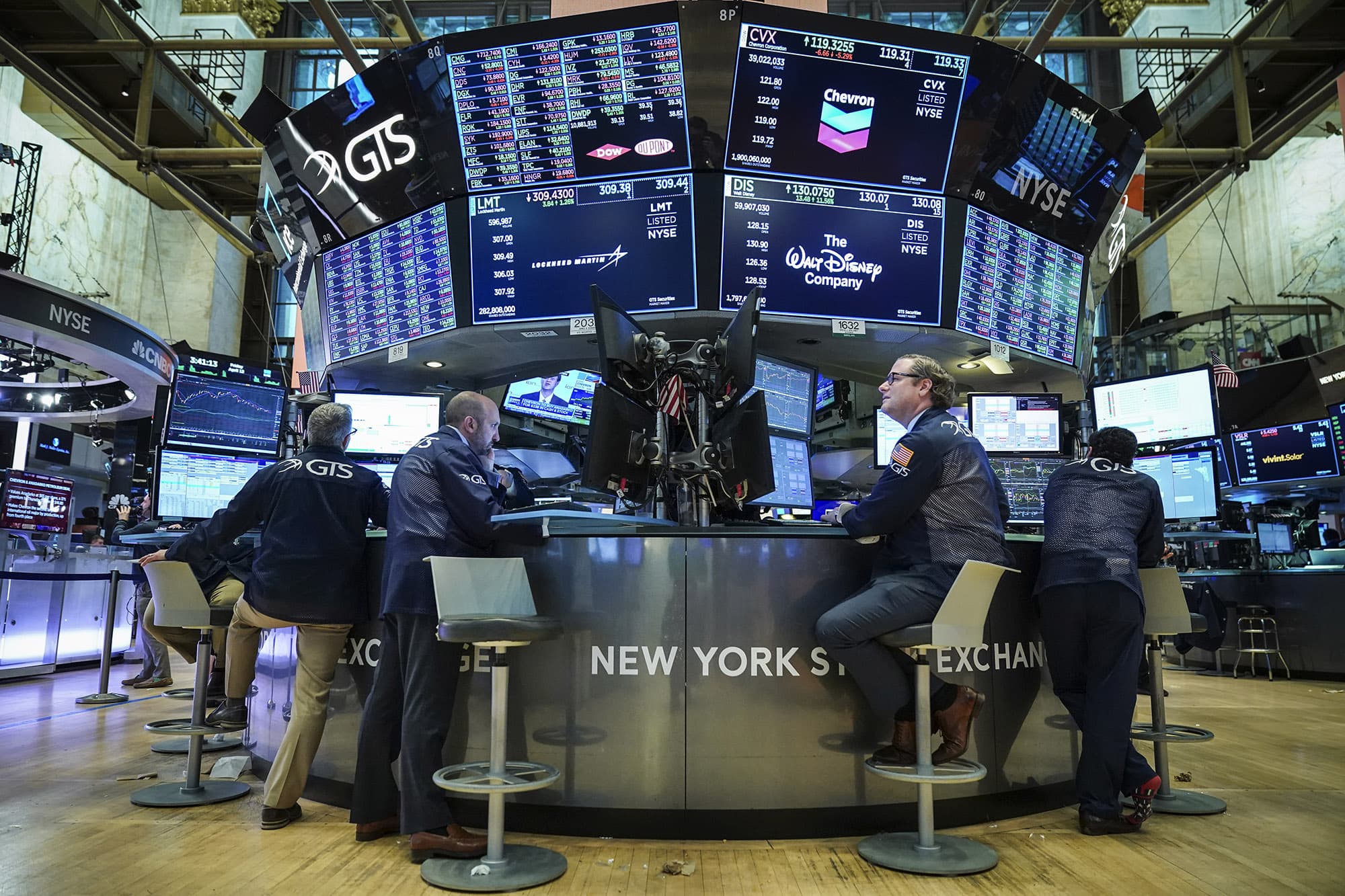
In 2022, a federal jury convicted JPMorgan's former head of precious metals trading and two colleagues of racketeering, conspiracy, and market manipulation (spoofing) spanning 2008-2016. JPMorgan had previously paid $920 million in fines. Prosecutors proved traders placed thousands of fake orders to manipulate gold, silver, platinum, and palladium prices. The DOJ called JPMorgan's precious metals desk 'a criminal enterprise within the bank.'
“The gold market is rigged. JPMorgan and other banks are manipulating precious metals prices through spoofing and fake orders.”
What they said vs. what the evidence shows
“JPMorgan maintains robust compliance programs. Our trading activities are conducted in accordance with all applicable laws and regulations.”
— JPMorgan Compliance Department · Jan 2015
SourceFrom “crazy” to confirmed
The Claim Is Made
This is the moment they called it crazy.
When traders place orders they have no intention of executing, they're not making a mistake—they're committing fraud. Yet for years, some of Wall Street's most sophisticated financial institutions operated exactly this way, betting that regulators wouldn't notice or couldn't prove what happened in the millisecond-fast world of precious metals trading.
JPMorgan Chase, one of the world's largest banks, maintained what federal prosecutors eventually called "a criminal enterprise within the bank." Between 2008 and 2016, traders in the precious metals desk engaged in systematic market manipulation through a scheme known as spoofing—flooding the market with fake buy and sell orders designed to move prices, then canceling those orders before execution. The victims weren't abstract market participants. They were retail investors, pension funds, and other institutions trying to hedge real exposure to gold, silver, platinum, and palladium.
For years, the bank's response was measured denial dressed in corporate speak. JPMorgan acknowledged compliance concerns and promised reforms. When the Department of Justice first brought charges in 2020, the bank settled by paying $920 million in fines—a substantial number that nonetheless vanished into the cost of doing business for an institution with over $3 trillion in assets. The settlement allowed the bank to avoid admitting wrongdoing while making the problem appear contained and historical.
Then, in 2022, a federal jury convicted Gregg Smith, the former managing director and head of JPMorgan's precious metals trading, along with two colleagues. The evidence presented was overwhelming. Prosecutors documented thousands of instances where these traders placed orders specifically designed to manipulate prices in their favor. The pattern wasn't random or incidental—it was systematic, deliberate, and orchestrated across multiple commodities over nearly a decade. Internal communications showed traders understood exactly what they were doing and how to hide it.
Get the 5 biggest receipts every week, straight to your inbox — plus an exclusive PDF: The Top 10 Conspiracy Theories Proven True in 2025-2026. No spam. No agenda. Just the papers they couldn't hide.
You just read "JPMorgan traders systematically manipulated gold and preciou…". We send ones like this every week.
No one's said anything yet. Be the first to drop your take.
Confirmed: They Were Right
The truth comes out. Officially documented.
Confirmed: They Were Right
The truth comes out. Officially documented.
What made this case particularly damning was that JPMorgan knew about the conduct before regulators did. The bank's own investigations uncovered the spoofing scheme, yet disciplinary action remained internal. The fines came later, only after external pressure forced transparency. This wasn't a situation where clever traders outsmarted authorities; it was an institution that discovered criminal conduct within its walls and chose financial penalties over criminal referral.
The conviction matters for reasons that extend far beyond precious metals trading. It demonstrates that even after the 2008 financial crisis—which supposedly prompted regulatory overhauls and cultural reform on Wall Street—large institutions continued to treat certain markets as playgrounds where rules could be bent if the potential profit justified the risk. Spoofing isn't a gray area. It's illegal manipulation that artificially distorts prices and transfers wealth from legitimate market participants to those committing the fraud.
For public trust in financial markets, the case illustrates a persistent problem: enforcement remains reactive rather than preventive. Regulators caught JPMorgan only after the damage was done. Traders faced consequences, but the fundamental incentive structure that encouraged such conduct—where potential gains vastly exceed probable penalties—remained intact. Until institutional accountability extends to senior management and potential criminal liability becomes a genuine concern for decision-makers, not just traders, similar schemes will continue. The metals markets case proves that what we knew to be true about Wall Street in 2008 remained largely true in 2016. The banks learned how to manage the consequences, not how to change behavior.
Beat the odds
This had a 0.5% chance of leaking — someone talked anyway.
Conspirators
~100Network
Secret kept
12.6 years
Time to 95% exposure
500+ years