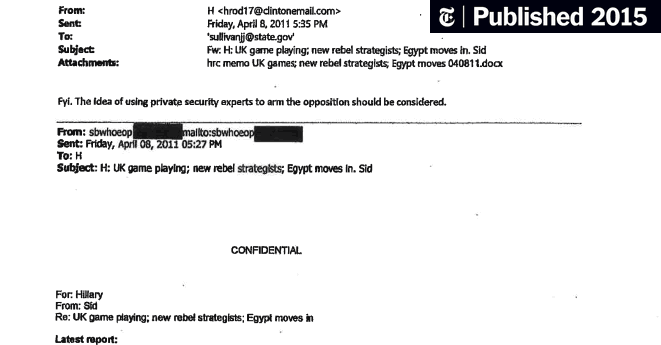
A declassified email from Sidney Blumenthal to Hillary Clinton (April 2, 2011) detailed Gaddafi's plan to create a gold-backed pan-African currency using 143 tons of gold reserves, designed to replace the French franc (CFA) in Francophone Africa. French intelligence discovered the plan and it influenced Sarkozy's decision to attack Libya. However, analysts note Sarkozy committed to intervention on February 21, before the gold dinar intel, complicating the timeline.
“NATO didn't bomb Libya for human rights — they did it because Gaddafi was going to create a gold-backed African currency that would threaten the dollar and euro.”
What they said vs. what the evidence shows
“The intervention in Libya was to protect civilians from a dictator who was threatening to massacre his own people.”
— US State Department · Mar 2011
SourceFrom “crazy” to confirmed
The Claim Is Made
This is the moment they called it crazy.
When NATO forces intervened in Libya in March 2011, the stated justification was straightforward: prevent a humanitarian catastrophe as Muammar Gaddafi's forces advanced on rebel-held Benghazi. The narrative was consistent across Western capitals—protect civilians, enforce the no-fly zone, support the Arab Spring. It was a clean story, and most of the world accepted it at face value.
But declassified emails suggest the reality was more complicated.
In April 2011, just weeks into the bombing campaign, Sidney Blumenthal sent Hillary Clinton an intelligence memo detailing something that hadn't appeared in any official NATO communiqué. According to Blumenthal's sources, Gaddafi possessed 143 tons of gold reserves and had been developing a plan to create a gold-backed currency for North Africa. The proposed "gold dinar" would have replaced the CFA franc—the French-controlled currency still used across Francophone Africa. French intelligence, the email indicated, had identified this plan as a genuine threat to France's financial interests in the region, and it had influenced President Nicolas Sarkozy's decision to intervene militarily.
For years, this claim circulated in fringe corners of the internet, dismissed as conspiratorial thinking. Critics pointed out the obvious problem: if Libya's currency plan was really the motivation, why wasn't it mentioned publicly? Where was the evidence? The mainstream response was dismissive. This was the kind of claim that got you labeled paranoid—suggesting Western powers would wage war over currency schemes rather than humanitarian principles seemed like classic conspiracy thinking.
Then the emails became public. WikiLeaks released the State Department cables, and journalists could verify the actual documents. The Blumenthal memo existed. It said what the claim suggested it said. Foreign Policy Journal and other outlets examined the evidence and found it credible enough to warrant serious reporting.
Get the 5 biggest receipts every week, straight to your inbox — plus an exclusive PDF: The Top 10 Conspiracy Theories Proven True in 2025-2026. No spam. No agenda. Just the papers they couldn't hide.
You just read "Hillary Clinton emails revealed Libya's gold-backed currency…". We send ones like this every week.
No one's said anything yet. Be the first to drop your take.
Confirmed: They Were Right
The truth comes out. Officially documented.
Confirmed: They Were Right
The truth comes out. Officially documented.
The complication, however, matters. Declassified documents show Sarkozy committed to military intervention on February 21, 2011—before French intelligence reported the gold dinar plan to him. The timeline doesn't fit neatly with the narrative that the currency scheme caused the intervention. It may have reinforced the decision or made it more attractive, but it likely wasn't the spark. This is why researchers mark the claim as "partially verified" rather than fully confirmed.
What makes this case significant isn't whether Sarkozy launched an invasion specifically over gold reserves. It's that a potentially important financial motivation—one that would normally be buried in classified intelligence—became visible precisely because of email leaks. For years, suggesting this angle would get you accused of peddling conspiracy theories. Once the documents became public, it became documentable fact, even if the full causal chain remains murky.
This creates a genuine problem for public trust. When governments reject claims as baseless conspiracy theories, and those claims later turn out to have documentary support, it teaches citizens to doubt official explanations. It doesn't matter if the original claim was exaggerated or partially incorrect. The damage to credibility comes from the gap between what was denied and what the documents eventually showed. The Libya intervention probably had multiple motivations—humanitarian concerns, geopolitical positioning, and yes, possibly economic interests. That complexity is precisely what official narratives often fail to communicate, leaving space for alternative explanations to flourish. Once those explanations gain traction online, they're difficult to unwind, even when the truth is more nuanced than either side initially claimed.
Beat the odds
This had a 0.9% chance of leaking — someone talked anyway.
Conspirators
~500Large op
Secret kept
4.8 years
Time to 95% exposure
500+ years