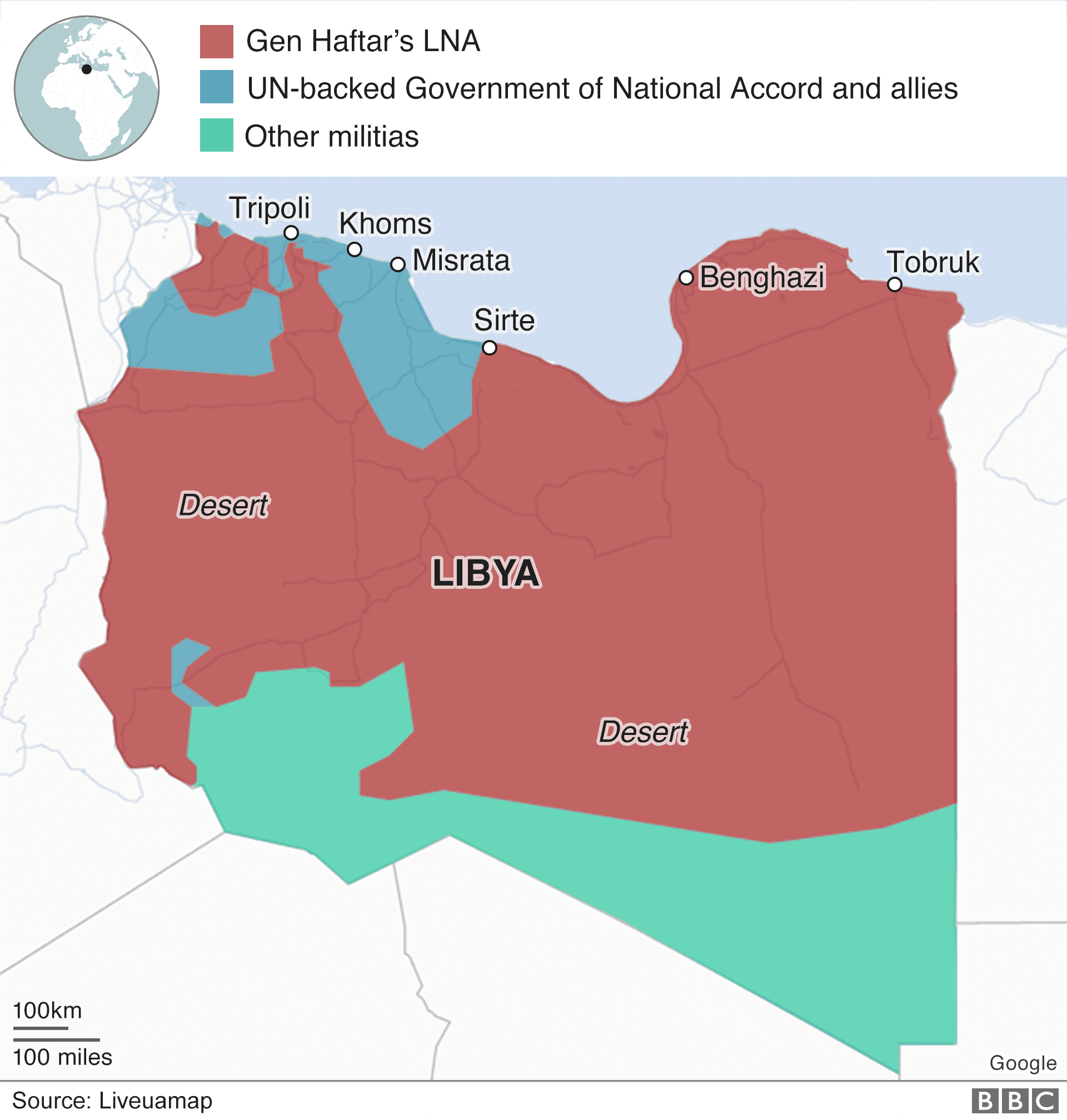
The 2011 NATO intervention in Libya was sold as a humanitarian mission to prevent Gaddafi from massacring civilians in Benghazi. However, leaked Hillary Clinton emails from advisor Sidney Blumenthal revealed the true concerns: Gaddafi's plan to create a gold-backed African currency (the gold dinar) that would rival the dollar and euro, Libya's oil reserves, and French desire to gain a greater share of Libyan oil. A UK Parliament Foreign Affairs Committee investigation concluded in 2016 that 'the proposition that Muammar Gaddafi would have ordered the massacre of civilians in Benghazi was not supported by the available evidence.' Libya descended into a failed state with open slave markets.
“The intervention in Libya was not about protecting civilians. It was about oil, preventing an African currency from challenging the dollar, and regime change.”
What they said vs. what the evidence shows
“We have a responsibility to act when a leader threatens to massacre his own people. If we waited, the words 'too late' would ring in our ears.”
— President Barack Obama / NATO · Mar 2011
SourceFrom “crazy” to confirmed
The Claim Is Made
This is the moment they called it crazy.
When NATO planes began bombing Libya in March 2011, the stated objective was unambiguous: prevent an imminent humanitarian catastrophe. President Obama, French President Sarkozy, and British Prime Minister Cameron all framed the intervention as a race against time to stop Muammar Gaddafi from perpetrating a massacre in the rebel-held city of Benghazi. The narrative was compelling, urgent, and designed to justify military action under the Responsibility to Protect doctrine.
Yet the gap between public justification and private motivation has rarely been so thoroughly documented—or so damaging to Western credibility.
The clearest evidence emerged through Hillary Clinton's leaked emails, particularly correspondence with Sidney Blumenthal, her unofficial advisor on Libya. These communications, made public by WikiLeaks, revealed that planners were deeply concerned with three specific issues: Libya's substantial proven oil reserves, the country's vast gold stockpiles, and Gaddafi's plan to establish a gold-backed African currency known as the gold dinar. Blumenthal's emails indicated that this proposed currency posed a threat to dollar and euro dominance in the region and would have reduced Western financial control over African nations.
The humanitarian genocide argument, meanwhile, faced serious credibility problems. A 2016 investigation by the UK Parliament's Foreign Affairs Committee examined the intelligence that had justified the intervention and reached a striking conclusion: "The proposition that Muammar Gaddafi would have ordered the massacre of civilians in Benghazi was not supported by the available evidence." The committee found that the threat assessment had been exaggerated and selective, cherry-picking alarming rhetoric from Gaddafi's government while ignoring countervailing signals and historical context.
What makes this case particularly significant is not merely that officials misrepresented their true interests, but that the consequences were catastrophic and foreseeable. Libya, once the most developed nation in Africa with a functioning state infrastructure, descended into civil war, state collapse, and chaos. The country became a haven for weapons trafficking, militant groups, and, infamously, open slave markets where African migrants were bought and sold. These weren't accidental byproducts of the intervention—they were risks that understood beforehand.
Get the 5 biggest receipts every week, straight to your inbox — plus an exclusive PDF: The Top 10 Conspiracy Theories Proven True in 2025-2026. No spam. No agenda. Just the papers they couldn't hide.
You just read "The 2011 Libya intervention was justified by fabricated clai…". We send ones like this every week.
No one's said anything yet. Be the first to drop your take.
Confirmed: They Were Right
The truth comes out. Officially documented.
Confirmed: They Were Right
The truth comes out. Officially documented.
France, notably, had additional motives. Sarkozy's government wanted to secure a larger share of Libya's oil production, a geopolitical prize that the intervention directly served. The emails made clear that economic and strategic competition, not humanitarian principle, drove the allied response.
The Libya intervention matters because it represents a documented case where the gap between stated and actual policy objectives was not a matter of debate or interpretation, but of written record. When governments present military interventions as moral imperatives while privately discussing resource competition and currency threats, public trust in foreign policy becomes impossible.
This case demonstrates why scrutiny of official narratives is not cynicism—it's necessity. The public was asked to support bombing campaigns based on one rationale while decision-makers pursued another. Libya's descent into failed-state status has consequences that persist today. The lesson is straightforward: when humanitarian interventions conveniently align with geographic proximity to valuable resources, and when the humanitarian justifications collapse under investigation, citizens should demand accountability and transparency before, not after, the bombs fall.
Beat the odds
This had a 2.2% chance of leaking — someone talked anyway.
Conspirators
~1,000Large op
Secret kept
5.5 years
Time to 95% exposure
500+ years