Government downplayed radiation risks while knowingly exposing workers to lethal doses at nuclear facilities. Declassified documents revealed officials knew of cancer dangers but prioritized weapons production over worker safety, leading to thousands of deaths.
“All safety precautions are being taken and radiation exposure poses no significant health risks to workers”
From “crazy” to confirmed
The Claim Is Made
This is the moment they called it crazy.
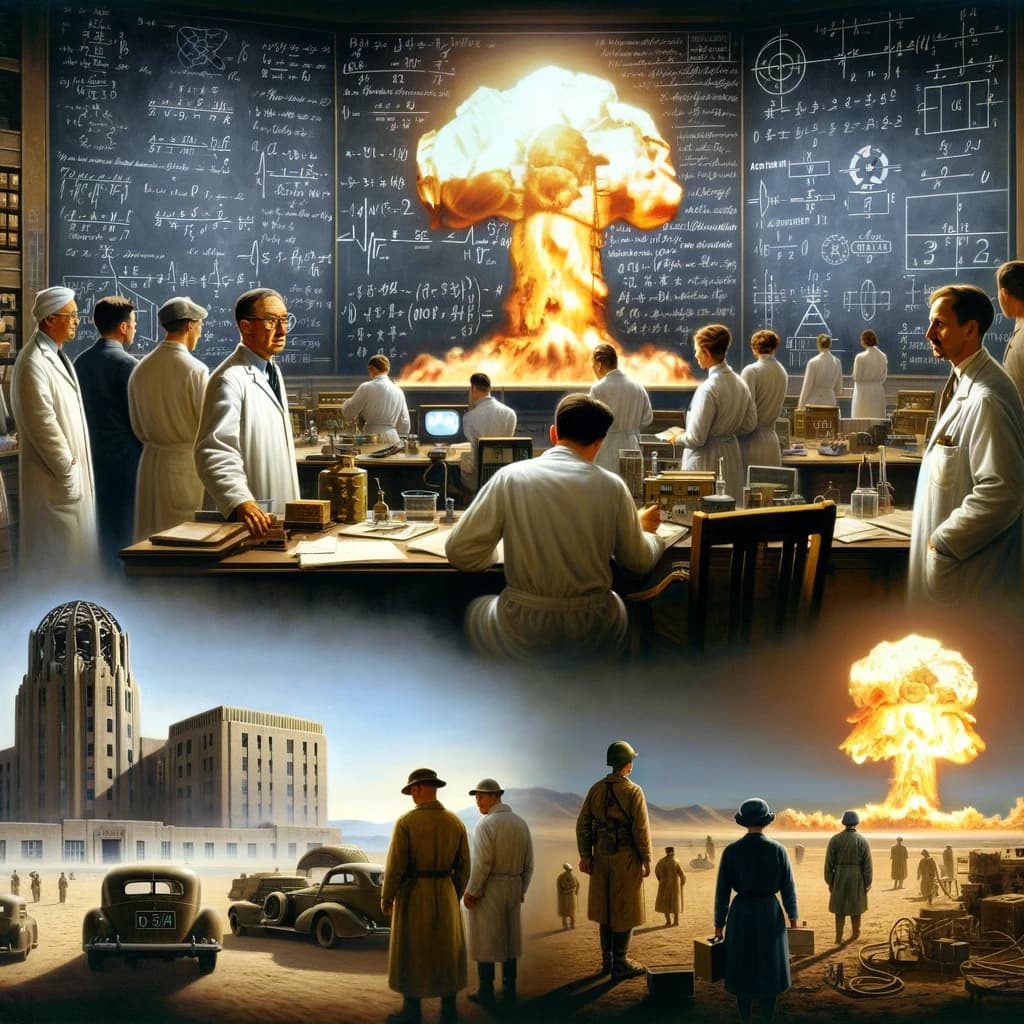
During World War II, the United States government assembled the brightest scientific minds and unlimited resources for one purpose: build an atomic bomb before Nazi Germany did. What remained largely unknown for decades was that thousands of workers and nearby residents were used as unwitting test subjects in a massive radiation exposure experiment.
The claim that Manhattan Project officials knowingly exposed workers to dangerous and often lethal radiation levels wasn't whispered in dark corners—it was documented in official records that the government simply kept classified. Scientists and engineers at facilities like Oak Ridge, Hanford, and Los Alamos reported health problems almost immediately. Some workers developed radiation sickness within months. Others died from cancers years later. Yet the government's public position remained unchanged: everything was safe and under control.
When pressed, officials dismissed concerns as alarmist. They claimed that radiation exposure at these facilities posed minimal risk and that safety protocols were being followed. The Atomic Energy Commission, established after the war to oversee nuclear development, actively downplayed the dangers both internally and publicly. Workers' complaints were often ignored, and those who pressed for answers found their concerns buried in bureaucratic channels.
But the declassified documents tell a different story entirely. Internal memos and correspondence between government officials and Manhattan Project managers show they understood the risks. Scientists reported radiation exposure levels far exceeding what they publicly acknowledged as safe. Medical studies conducted at the time documented the health effects but were classified or shelved. Some officials even discussed compensation for affected workers—a tacit admission that harm was occurring—but no meaningful action followed.
Get the 5 biggest receipts every week, straight to your inbox — plus an exclusive PDF: The Top 10 Conspiracy Theories Proven True in 2025-2026. No spam. No agenda. Just the papers they couldn't hide.
You just read "Manhattan Project secretly exposed workers and residents to …". We send ones like this every week.
No one's said anything yet. Be the first to drop your take.
The scope became undeniable only after decades of research. Studies conducted in the 1990s and 2000s revealed that thousands of Manhattan Project workers and their family members suffered from cancer, organ damage, and genetic disorders directly linked to radiation exposure. Former workers won settlement agreements. Classified documents were finally released, confirming what survivors had been claiming all along: the government knew and did nothing.
This pattern repeated across multiple sites. Workers at Hanford in Washington, for instance, were exposed to radioactive iodine-131 releases that officials discovered but never disclosed. Residents downwind from the facility, particularly children, developed thyroid cancer at dramatically elevated rates. Again, officials knew. Again, they said nothing.
The Manhattan Project radiation exposure case represents something darker than simple negligence. It demonstrates how national security objectives were deemed more important than human life. When forced to choose between weapons production and worker safety, the government chose the bomb. That decision cost lives—perhaps thousands of them.
What makes this verified claim significant isn't just the historical tragedy. It's the erosion of institutional trust that followed. Citizens learned that their government would conceal deadly health risks if military interests demanded it. They learned that official reassurances about radiation safety couldn't be trusted. Decades later, when public health agencies made statements about nuclear accidents or contamination, those statements carried the weight of this betrayal.
Understanding the Manhattan Project's hidden toll matters because it reveals how power operates when stakes are high and transparency is optional. It's a reminder that government claims about safety and exposure risks deserve scrutiny—especially when officials have proven willing to sacrifice civilians for strategic advantage.
Unlikely leak
Only 15.5% chance this would come out. It did.
Conspirators
~500Large op
Secret kept
84.4 years
Time to 95% exposure
500+ years