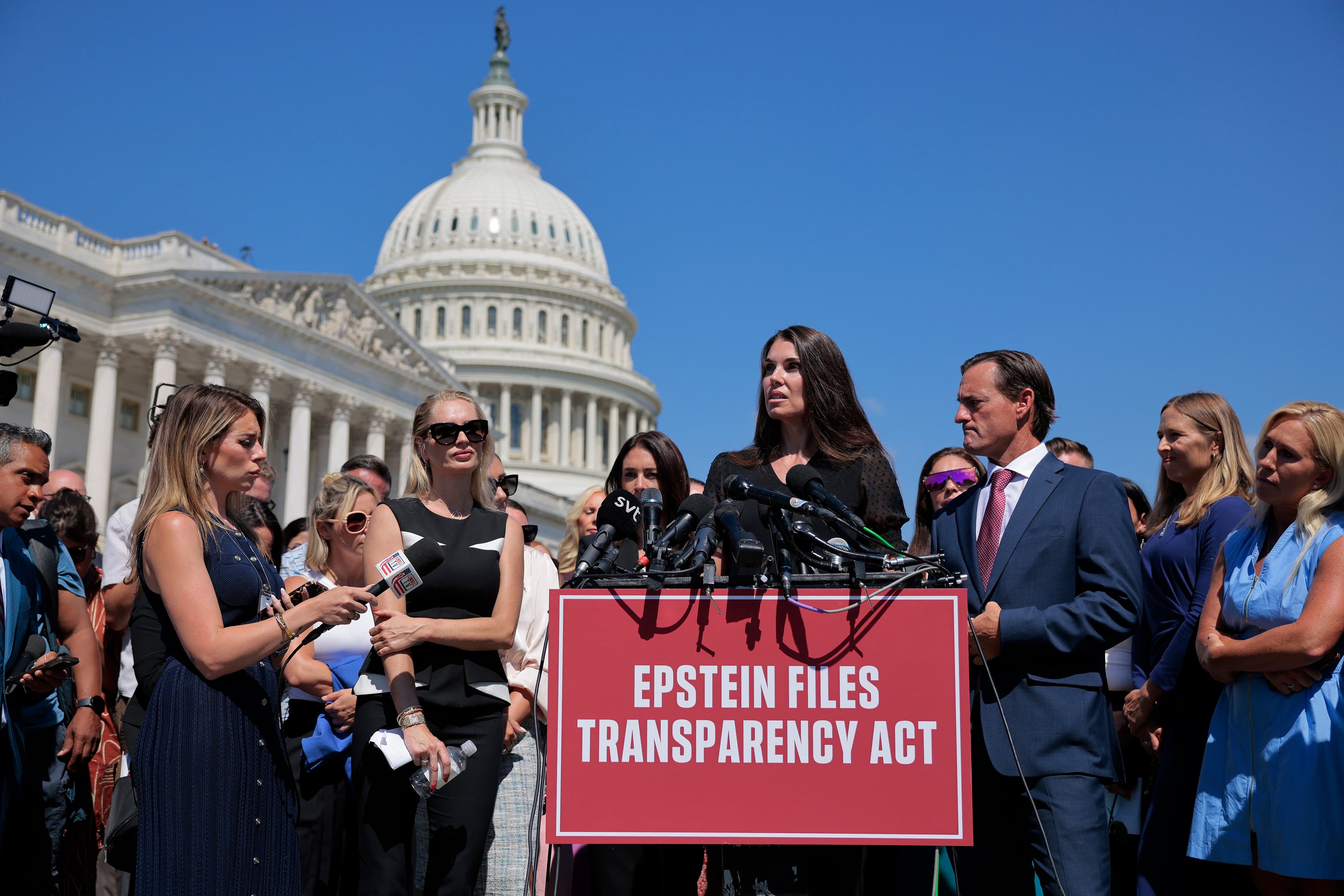
In December 2021, Ghislaine Maxwell was convicted of sex trafficking minors and conspiracy for recruiting and grooming underage girls for Jeffrey Epstein and unnamed co-conspirators. She received 20 years. Yet no client of the trafficking operation was ever charged. Victim testimony named powerful individuals. Flight logs, visitor records, and the 'black book' documented hundreds of contacts. Maxwell's trial was notably restricted — the judge limited testimony about specific clients, and media access was constrained. As of 2026, not a single person who abused trafficked victims has been prosecuted.
“She was convicted of trafficking girls TO someone. But somehow there's no one on the other end. They convicted the supplier but protected the customers.”
From “crazy” to confirmed
The Claim Is Made
This is the moment they called it crazy.
When Ghislaine Maxwell walked into a federal courtroom in New York in late 2021, the trial promised answers. She stood accused of recruiting and grooming underage girls for Jeffrey Epstein's exploitation ring. The prosecution presented evidence suggesting her crimes weren't committed in isolation—testimony and documents indicated powerful men had abused the victims she procured. Yet as her December 2021 conviction and 20-year sentence became final, a striking absence defined the outcome: no client of the trafficking operation faced charges.
The claim circulating among observers and victim advocates was direct: the justice system had failed to prosecute the men who actually abused these girls, despite evidence of their identities. Official responses downplayed this concern. Prosecutors insisted the case against Maxwell was comprehensive and that investigations remained ongoing. Legal analysts noted the difficulty of proving individual abuse cases beyond reasonable doubt. Federal authorities maintained they were following leads wherever they led.
The evidence, however, painted a more complicated picture. During Maxwell's trial, victims testified about specific powerful individuals who had abused them at Epstein's properties. Flight logs documented hundreds of visitors to his residences. His infamous "black book" contained contact information for wealthy and influential men. Visitor records existed. Yet the trial itself became notably restricted—the judge limited how extensively prosecutors could discuss specific clients, reportedly to protect privacy and manage courtroom scope. Media access was constrained compared to typical high-profile cases.
By 2026, nearly two decades after Epstein's arrest and five years after Maxwell's conviction, the tally remained unchanged: zero prosecutions of anyone who abused the trafficked victims. Epstein himself died in jail in 2019 before trial. Maxwell remains incarcerated. The supply chain of exploitation was partially dismantled, but the demand side—the men who created the market for abuse—faced no consequences.
Get the 5 biggest receipts every week, straight to your inbox — plus an exclusive PDF: The Top 10 Conspiracy Theories Proven True in 2025-2026. No spam. No agenda. Just the papers they couldn't hide.
You just read "Ghislaine Maxwell was convicted of sex trafficking for clien…". We send ones like this every week.
No one's said anything yet. Be the first to drop your take.
This matters profoundly. The Maxwell case demonstrated that even with a conviction, even with named witnesses, even with documented records, the system can choose not to prosecute those with wealth and connections. Victims gave testimony and identified abusers. The institutional machinery existed to follow through. Yet it didn't. Whether this reflects prosecutorial judgment, political pressure, legal obstacles, or institutional protection remains unclear—and that ambiguity itself is damning.
What this reveals about public trust in institutions is perhaps the real story. When a documented trafficking operation operates for years, when its facilitator is convicted, when evidence implicates identifiable abusers, and when no abuser faces prosecution, citizens reasonably ask whether justice is being applied equally. The facts support the claim that powerful individuals received systemic protection. The claim remains partially verified not because evidence is lacking, but because accountability never materialized despite the evidence existing.
The Maxwell conviction was framed as a victory. For the survivors who testified and for those seeking truth, it may have felt hollow—a conviction of the broker while the buyers walked free.
Beat the odds
This had a 0.1% chance of leaking — someone talked anyway.
Conspirators
~50Network
Secret kept
4.4 years
Time to 95% exposure
500+ years