Advised 'turbocharge' sales. Proposed rebates per overdose. Countered DEA. $573M settlement. Admitted destroying docs.
“McKinsey put a BOUNTY on addiction. Rebates for overdoses. Then shredded evidence.”
What they said vs. what the evidence shows
“We deeply regret our work with Purdue.”
— McKinsey · Feb 2021
SourceFrom “crazy” to confirmed
The Claim Is Made
This is the moment they called it crazy.
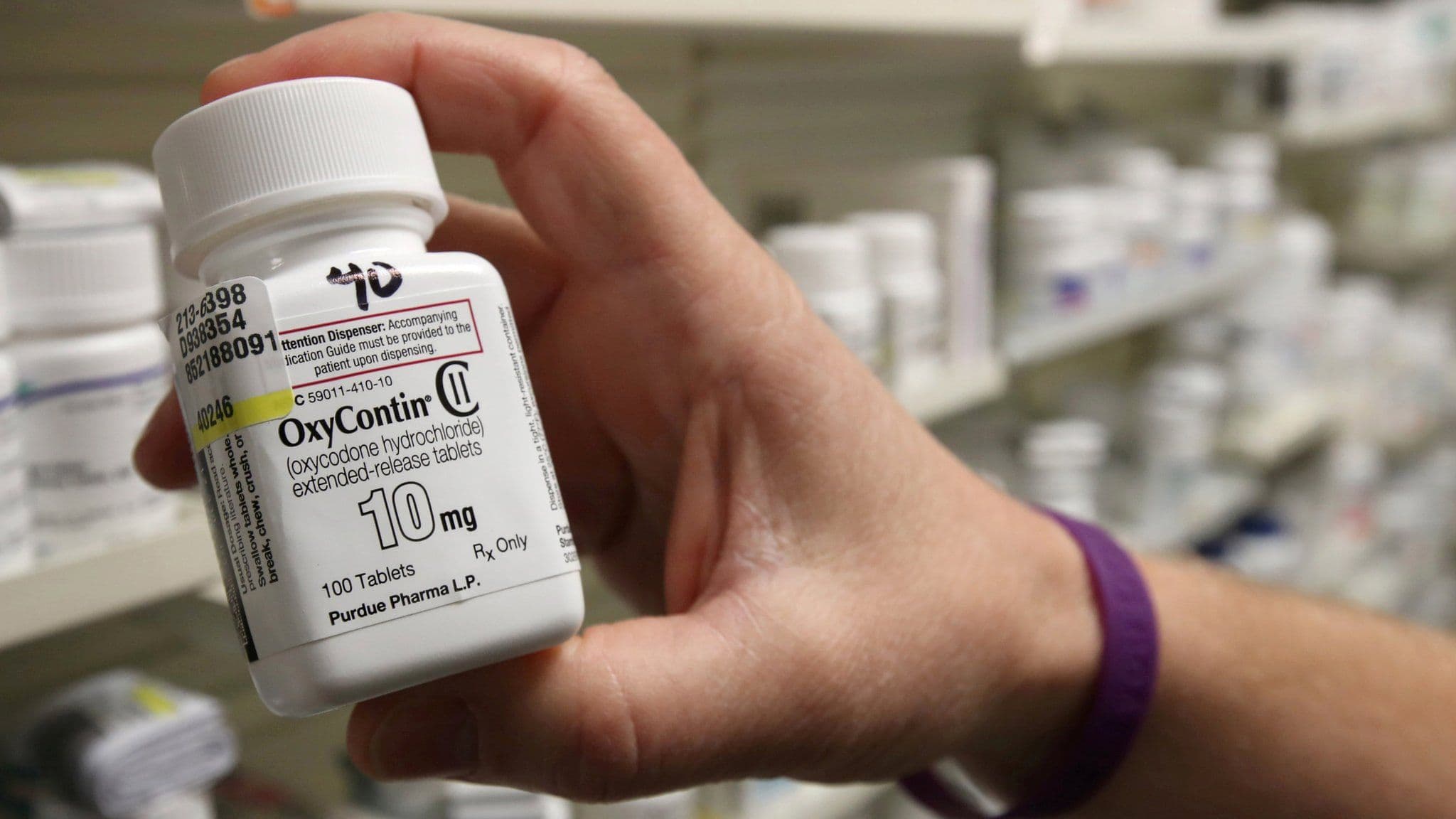
When the opioid crisis began ravaging American communities in the 1990s and 2000s, multiple actors profited from the chaos. Among them was McKinsey & Company, the world's most prestigious management consulting firm, which earned tens of millions advising Purdue Pharma on how to maximize OxyContin sales despite mounting overdose deaths.
What McKinsey actually recommended—and what it later tried to conceal—would become one of the most damning admissions in corporate accountability history.
The claim emerged gradually through litigation and reporting: McKinsey hadn't simply advised Purdue on business strategy. The firm had specifically proposed that pharmacies be offered rebates for each OxyContin prescription filled, creating a perverse financial incentive to distribute more of the drug. The firm also recommended ways to counter DEA enforcement efforts and suggested Purdue "turbocharge" sales of the painkiller.
When first raised, these allegations were treated with the skepticism reserved for most conspiracy theories. McKinsey initially denied the most explosive charges. The firm's defenders argued that consulting firms provide business advice without moral culpability—that they weren't responsible for how clients used recommendations. The narrative suggested this was a matter of interpretation, a he-said-she-said dispute buried in litigation documents.
Then the documentation arrived.
In 2021, as part of a $573 million settlement with state attorneys general, McKinsey admitted to destroying thousands of documents related to its opioid work. This admission—that the firm had deliberately shredded records—proved the claim wasn't fabricated or exaggerated. Why destroy documents unless they contained something damning? The question answered itself.
Get the 5 biggest receipts every week, straight to your inbox — plus an exclusive PDF: The Top 10 Conspiracy Theories Proven True in 2025-2026. No spam. No agenda. Just the papers they couldn't hide.
You just read "McKinsey proposed overdose rebates to pharmacies for OxyCont…". We send ones like this every week.
No one's said anything yet. Be the first to drop your take.
Source: McKinsey proposed overdose rebates to pharmacies for OxyContin - then shredded d
Confirmed: They Were Right
The truth comes out. Officially documented.
Confirmed: They Were Right
The truth comes out. Officially documented.
Subsequent releases of McKinsey's own internal communications confirmed the specifics. Internal emails and strategy documents showed the firm had indeed proposed the rebate scheme. Internal messages revealed McKinsey consultants discussing tactics to blunt DEA scrutiny. One strategy document explicitly used the phrase "turbocharge" in discussing sales acceleration. These weren't interpretations or inferences drawn from ambiguous language. They were the firm's own words, preserved despite efforts at destruction.
The settlement amount—$573 million—represented the largest penalty McKinsey had ever faced. Yet the firm admitted no wrongdoing, a technicality that allowed it to avoid criminal prosecution while still paying out damages. The document destruction admission meant McKinsey faced an additional hurdle: explaining why destroying records related to advice that was merely "business consulting" required any concealment at all.
What makes this case significant extends beyond one firm's misconduct. McKinsey's actions demonstrate how institutional power operates. A consulting firm trusted by Fortune 500 companies and governments could advise a pharmaceutical company on maximizing a deadly drug's sales, then attempt to erase evidence of that advice, without individual executives facing criminal charges. The settlement was a cost of doing business, not a consequence serious enough to deter similar conduct.
For those tracking claims that seem implausible but turn out to be documented fact, this case illustrates a pattern. When powerful institutions deny allegations, when the narratives seems too brazen to be true, when skepticism seems warranted—sometimes the documentation exists, waiting in litigation files. Sometimes the firm destroys it anyway, and that destruction itself becomes proof.
McKinsey still operates. It still advises major corporations. It settled and moved forward. But the claim—that McKinsey proposed overdose rebates and destroyed documents—became undeniable fact.
Beat the odds
This had a 0% chance of leaking — someone talked anyway.
Conspirators
~100Network
Secret kept
0.5 years
Time to 95% exposure
500+ years