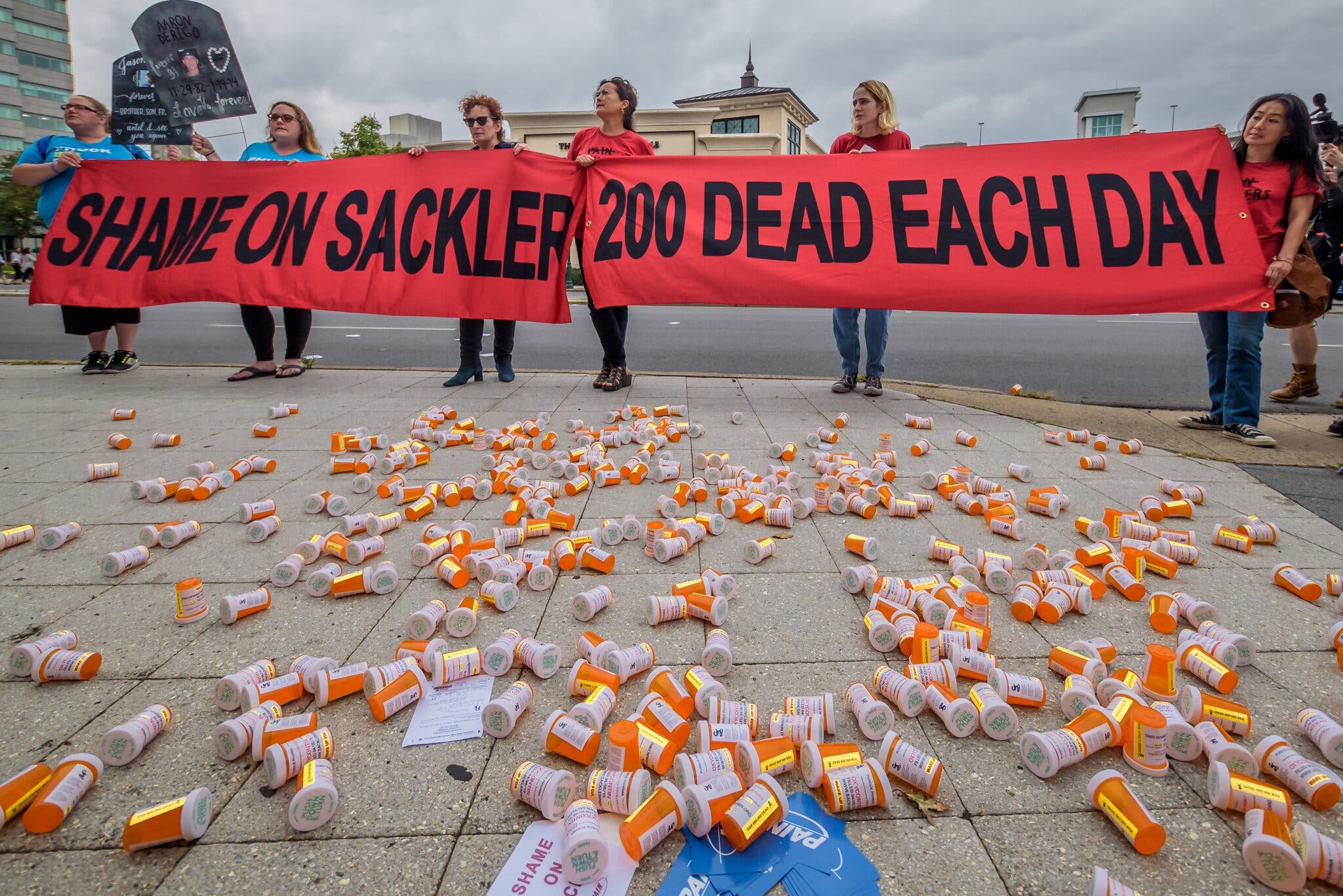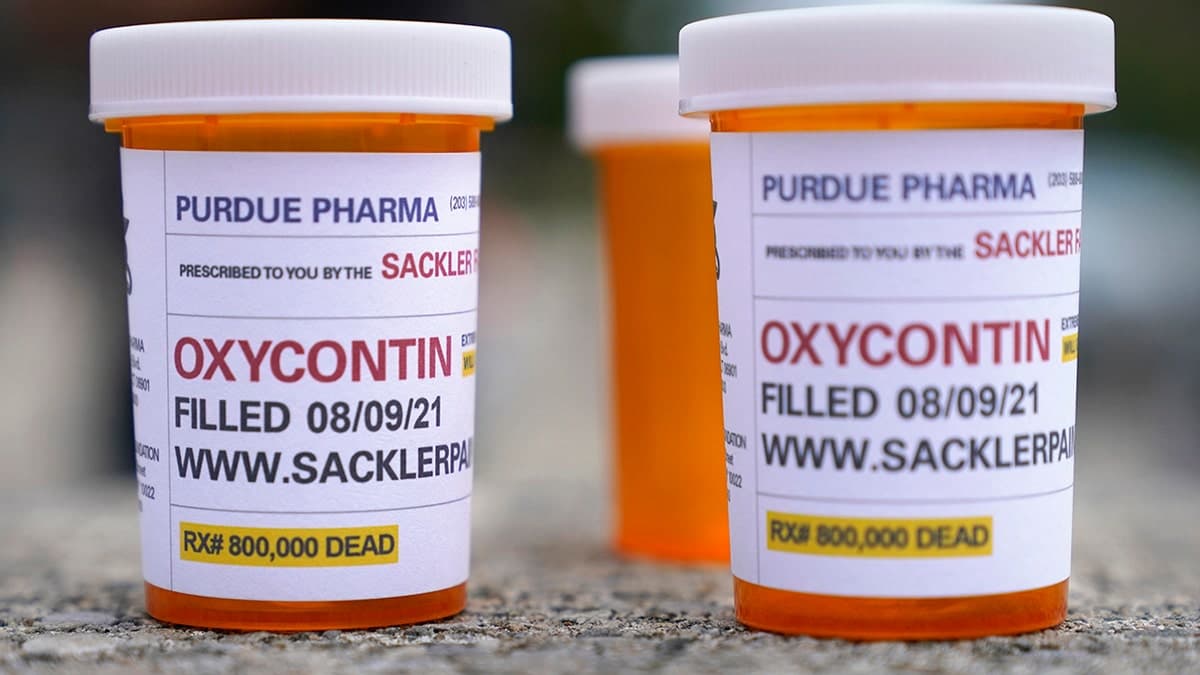
Purdue Pharma marketed OxyContin as having a low addiction risk despite internal evidence to the contrary. The DOJ settlement in 2020 confirmed the company's role in the opioid crisis that has killed over 500,000 Americans.
“Purdue Pharma knows OxyContin is highly addictive and is deliberately misleading doctors and patients about its risks.”
From “crazy” to confirmed
The Claim Is Made
This is the moment they called it crazy.
In the 1990s, Purdue Pharma introduced OxyContin to the American market with a simple but powerful message: this opioid painkiller was safe. The company marketed it aggressively to doctors, hospitals, and pain management clinics, insisting that the risk of addiction was minimal—a claim that would eventually cost hundreds of thousands of lives.
The assertion seemed credible at the time. Purdue Pharma, a privately held pharmaceutical company, presented medical literature and sales materials claiming that OxyContin's time-release formulation made it fundamentally different from other opioids. The company's representatives told physicians that addiction was unlikely to occur when the drug was used as prescribed. This message was reinforced through sponsored medical conferences, sales representatives trained to minimize addiction risks, and marketing materials distributed to healthcare providers across the country.
When researchers and public health officials began raising concerns about rising addiction rates in the early 2000s, Purdue Pharma's response was consistent: the problem lay with patient misuse, not with their medication. The company attributed escalating overdose deaths to people abusing the drug—crushing tablets, snorting them, or injecting them to bypass the time-release mechanism. The implication was clear: OxyContin itself was not the culprit. Doctors were simply prescribing it to the wrong patients, or patients were using it incorrectly.
This narrative held considerable weight for years. It allowed the pharmaceutical company, doctors, and regulators to maintain a comfortable distance from accountability. The deepened throughout the 2000s and 2010s, but the official story remained that this was a problem of individual abuse and misuse, not corporate misconduct.
Get the 5 biggest receipts every week, straight to your inbox — plus an exclusive PDF: The Top 10 Conspiracy Theories Proven True in 2025-2026. No spam. No agenda. Just the papers they couldn't hide.
You just read "Purdue Pharma knowingly misrepresented OxyContin's addiction…". We send ones like this every week.
No one's said anything yet. Be the first to drop your take.
Confirmed: They Were Right
The truth comes out. Officially documented.
Confirmed: They Were Right
The truth comes out. Officially documented.
The documentation that proved otherwise emerged through litigation and government investigation. Internal company documents revealed that Purdue Pharma's own scientists and executives knew that OxyContin posed serious addiction risks—risks that contradicted what was being told to doctors and the public. These weren't theories or suspicions. They were internal memos, research notes, and sales strategy documents showing that the company was aware of the dangers while actively downplaying them in marketing materials.
In 2020, the Department of Justice reached a settlement with Purdue Pharma that included both criminal and civil components. As part of the agreement, the company was required to plead guilty to federal charges of misleading regulators, healthcare providers, and patients about OxyContin's addiction risks and its abuse potential. The settlement amount exceeded $8 billion, making it one of the largest pharmaceutical settlements in history. More importantly, the settlement documentation validated what many had suspected: Purdue Pharma knowingly misrepresented the facts.
By this point, the opioid crisis had claimed over 500,000 American lives. Entire communities had been devastated by addiction epidemics that began with prescription painkillers. The crisis had spread from suburban pain clinics to urban streets, affecting people across all demographics and geographic regions.
What makes this case significant isn't just that a major corporation was found to have deceived the public. It's that the deception was deliberate, documented, and consequential. When pharmaceutical companies misrepresent drug safety, the consequences aren't measured in market share or quarterly earnings. They're measured in families destroyed, communities hollowed out, and lives lost. This case stands as evidence that skepticism toward corporate health claims isn't cynicism—sometimes, it's justified caution based on documented reality.
Beat the odds
This had a 2.5% chance of leaking — someone talked anyway.
Conspirators
~300Network
Secret kept
20.8 years
Time to 95% exposure
500+ years