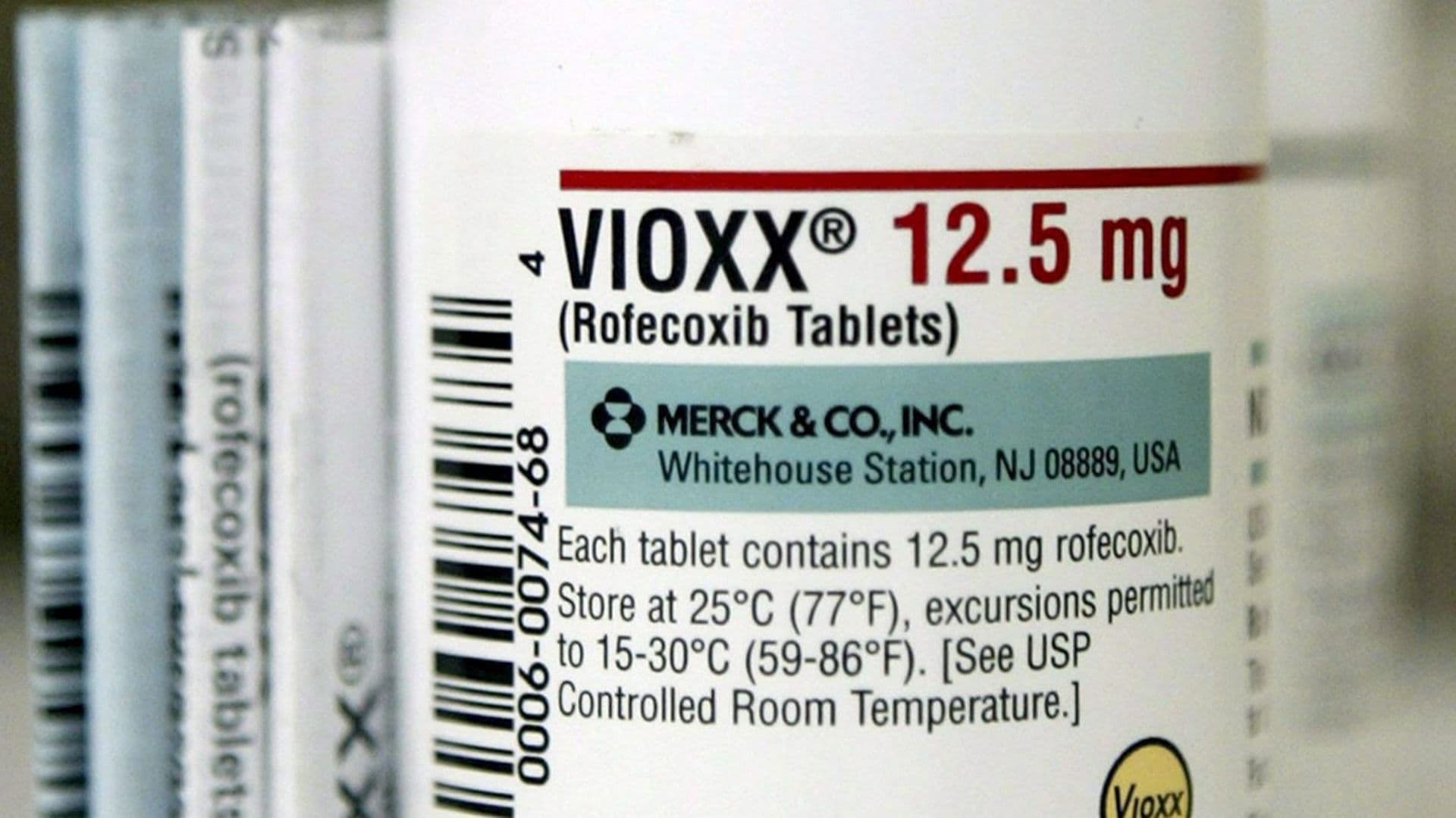
Internal Merck emails showed executives knew Vioxx doubled heart attack risk but suppressed studies and intimidated researchers. The company withdrew Vioxx only after external studies proved cardiovascular dangers.
“Vioxx has a favorable cardiovascular safety profile”
From “crazy” to confirmed
The Claim Is Made
This is the moment they called it crazy.
In the early 2000s, millions of Americans took Vioxx, a painkiller manufactured by pharmaceutical giant Merck. The drug was supposed to be safer than older alternatives, with fewer stomach problems and better pain relief. What patients didn't know was that their doctors and Merck knew something else entirely.
The original claim was straightforward and damning: Merck had internal evidence that Vioxx doubled the risk of heart attacks and strokes, yet the company actively suppressed this information while continuing to aggressively market the drug. Internal emails later revealed that executives discussed these cardiovascular dangers but chose to keep selling Vioxx anyway. The company's response at the time was equally clear—they denied any knowledge of serious heart risks and insisted the drug was safe when used as directed.
When independent researchers began publishing studies in the early 2000s showing cardiovascular problems in Vioxx users, Merck dismissed these findings publicly. The company questioned the research quality, attacked the credibility of outside scientists, and even allegedly intimidated academic researchers who had conducted unfavorable studies. Merck maintained its position that the benefits of Vioxx outweighed any potential risks. Regulators at the FDA, despite receiving safety signals, allowed the drug to remain on shelves.
The turning point came in 2004 when a large clinical trial called APPROVe clearly demonstrated that Vioxx nearly doubled the risk of heart attacks and strokes in long-term users. The evidence was too significant to ignore. Only then did Merck voluntarily withdraw Vioxx from the market on September 30, 2004—a withdrawal that amounted to an admission the company had gotten it wrong. But the timing mattered enormously.
The documentation that emerged during subsequent litigation proved the claim's validity. Internal Merck emails showed that executives had been aware of cardiovascular risks years before the public withdrawal. The company had conducted or been aware of studies suggesting problems, yet continued marketing Vioxx aggressively. Some emails indicated that company scientists recommended further investigation into heart risks, but those voices were reportedly overruled by marketing and business concerns.
Get the 5 biggest receipts every week, straight to your inbox — plus an exclusive PDF: The Top 10 Conspiracy Theories Proven True in 2025-2026. No spam. No agenda. Just the papers they couldn't hide.
You just read "Merck hid heart attack risks from Vioxx painkiller that kill…". We send ones like this every week.
No one's said anything yet. Be the first to drop your take.
By the time Vioxx came off the market, an estimated 60,000 people had died from heart attacks and strokes potentially linked to the drug. Thousands more suffered non-fatal cardiac events. Merck eventually agreed to pay $4.85 billion in one of the largest pharmaceutical settlements in history, though the company never admitted wrongdoing in the legal sense.
The Vioxx case matters because it demonstrates a pharmaceutical company prioritizing financial gain over consumer safety, and regulators failing to act decisively on available evidence. It shows how corporate influence can shape which studies get attention and which get buried. Most crucially, it reveals the gap between what companies know about their products internally and what they tell the public.
For patients today, the Vioxx story is a reminder that official reassurances about drug safety are only as reliable as the transparency behind them. Trust in pharmaceutical companies, once broken, requires genuine structural reform—not just settlements after the fact. The question remains whether the industry has genuinely changed, or simply learned better how to manage its public relations after similar events occur.
Beat the odds
This had a 0.9% chance of leaking — someone talked anyway.
Conspirators
~100Network
Secret kept
21.6 years
Time to 95% exposure
500+ years