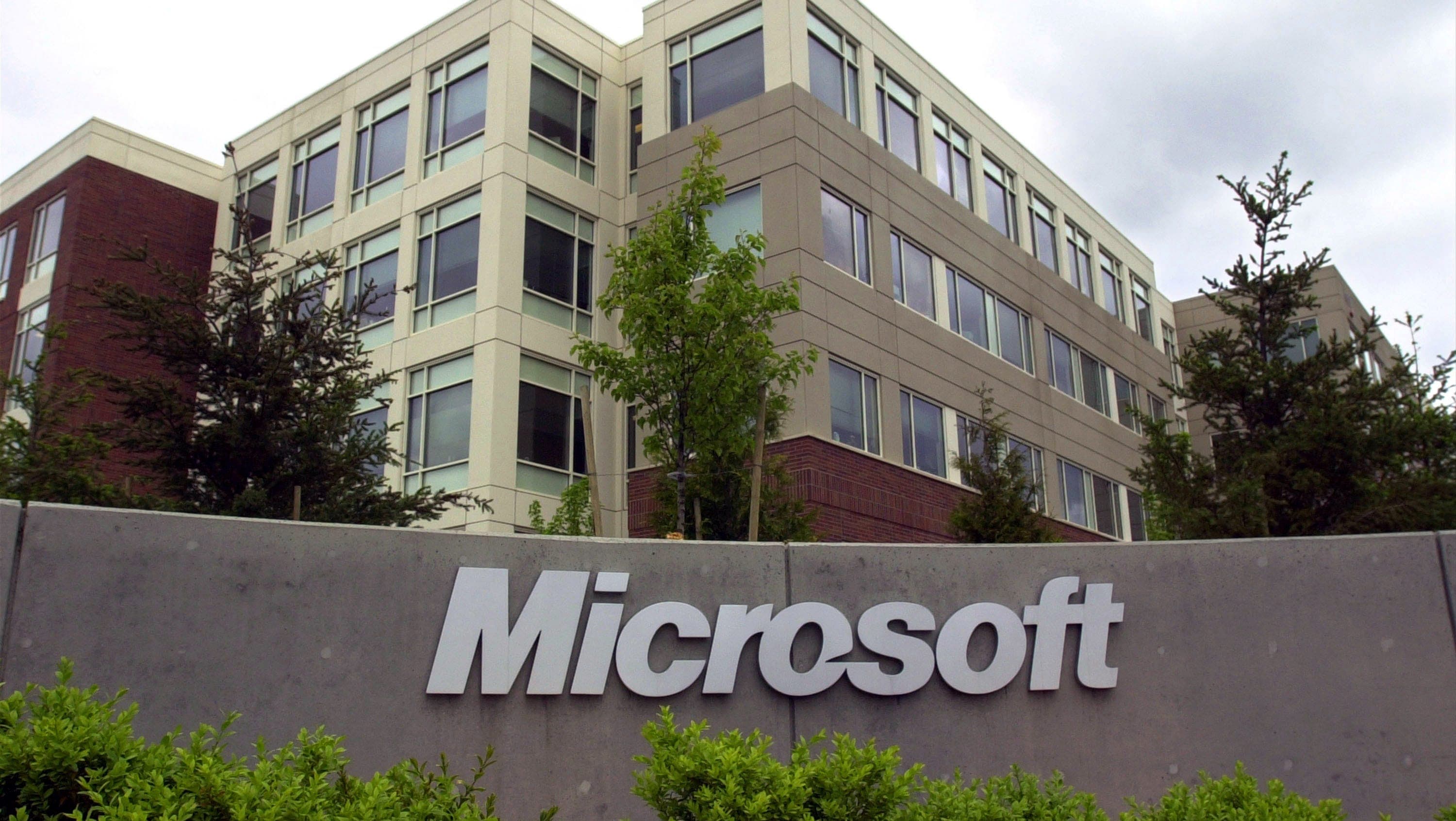
Edward Snowden documents revealed Microsoft provided NSA with backdoor access to Skype communications and Outlook.com emails. The PRISM program allowed surveillance despite encryption claims.
“We do not provide any government with the ability to break the encryption of our products and services”
From “crazy” to confirmed
The Claim Is Made
This is the moment they called it crazy.
When Microsoft launched Skype's encryption feature in 2012, the company marketed it as an impenetrable shield for user privacy. The software giant promised users that their voice calls and instant messages were protected by military-grade encryption that even Microsoft itself couldn't access. It was a straightforward claim: your communications were yours alone.
That promise unraveled in June 2013 when Edward Snowden's leaked documents arrived at The Guardian and other news organizations. Among thousands of pages detailing NSA surveillance programs, one revelation stood out: Microsoft hadn't just given the government access to unencrypted communications—the company had actively worked to ensure the NSA could read encrypted messages sent through Skype.
For years, tech companies had dismissed concerns about government backdoors as paranoia. When privacy advocates warned that encrypted services might secretly cooperate with intelligence agencies, the industry response was consistent and firm: such cooperation would be technically impossible, legally unfeasible, and fundamentally against corporate interests. Microsoft executives had never publicly suggested otherwise.
The Snowden documents painted a different picture. According to materials provided to The Guardian, Microsoft made significant changes to Skype's architecture specifically to facilitate NSA surveillance. When the company acquired Skype in 2011, the platform's original peer-to-peer encryption system made surveillance difficult. Microsoft restructured the service through their own servers, creating a centralized pathway that allowed direct access to communications.
Get the 5 biggest receipts every week, straight to your inbox — plus an exclusive PDF: The Top 10 Conspiracy Theories Proven True in 2025-2026. No spam. No agenda. Just the papers they couldn't hide.
You just read "Microsoft Secretly Worked with NSA to Bypass Skype Encryptio…". We send ones like this every week.
No one's said anything yet. Be the first to drop your take.
The documents revealed this wasn't a passive compliance with legal orders. Microsoft actively cooperated with the PRISM program, one of the NSA's most aggressive surveillance initiatives. The company didn't just reluctantly open doors when threatened with court orders—there was evidence of proactive collaboration to build infrastructure that would allow monitoring.
Microsoft's initial response attempted damage control without addressing the core claim. The company argued that it complied with "valid legal requests" and that user communications were protected by law. This response skirted the central issue: the cooperation had been intentional and structural, not reluctant and temporary.
The evidence was substantial. The Snowden files contained specific details about how PRISM worked, which companies participated, and when their cooperation began. Microsoft wasn't an isolated case—Yahoo, Google, Apple, and Facebook had reportedly cooperated in similar fashion. But the Skype revelation was particularly striking because it involved a direct contradiction between the company's public promises and its private practices.
What makes this case significant isn't just that a major corporation misled its users about privacy. It's that the deception was systematic and involved genuine technical changes designed specifically to enable surveillance. Users thought they had privacy protections they never actually possessed.
This incident fundamentally reshaped how the technology community discusses encryption and corporate privacy claims. It demonstrated that encryption is only as reliable as the companies controlling it. Subsequent years saw a shift toward end-to-end encryption systems where companies themselves cannot access user data—not out of newfound ethics, but because the alternative had lost credibility.
The broader lesson remains relevant today: when corporations claim privacy protections exist, skepticism is warranted. Trust, once broken by documented evidence of secret cooperation with government agencies, is extraordinarily difficult to rebuild.
Beat the odds
This had a 0.8% chance of leaking — someone talked anyway.
Conspirators
~150Network
Secret kept
12.8 years
Time to 95% exposure
500+ years