1977 Rolling Stone: 400+ journalists. Church Committee confirmed CIA media network. Alsop in 300+ papers, NYT publisher, Newsweek, Time.
“The Watergate reporter said 400+ journalists were CIA assets.”
What they said vs. what the evidence shows
“The CIA does not control American media.”
— CIA · Oct 1977
SourceFrom “crazy” to confirmed
The Claim Is Made
This is the moment they called it crazy.
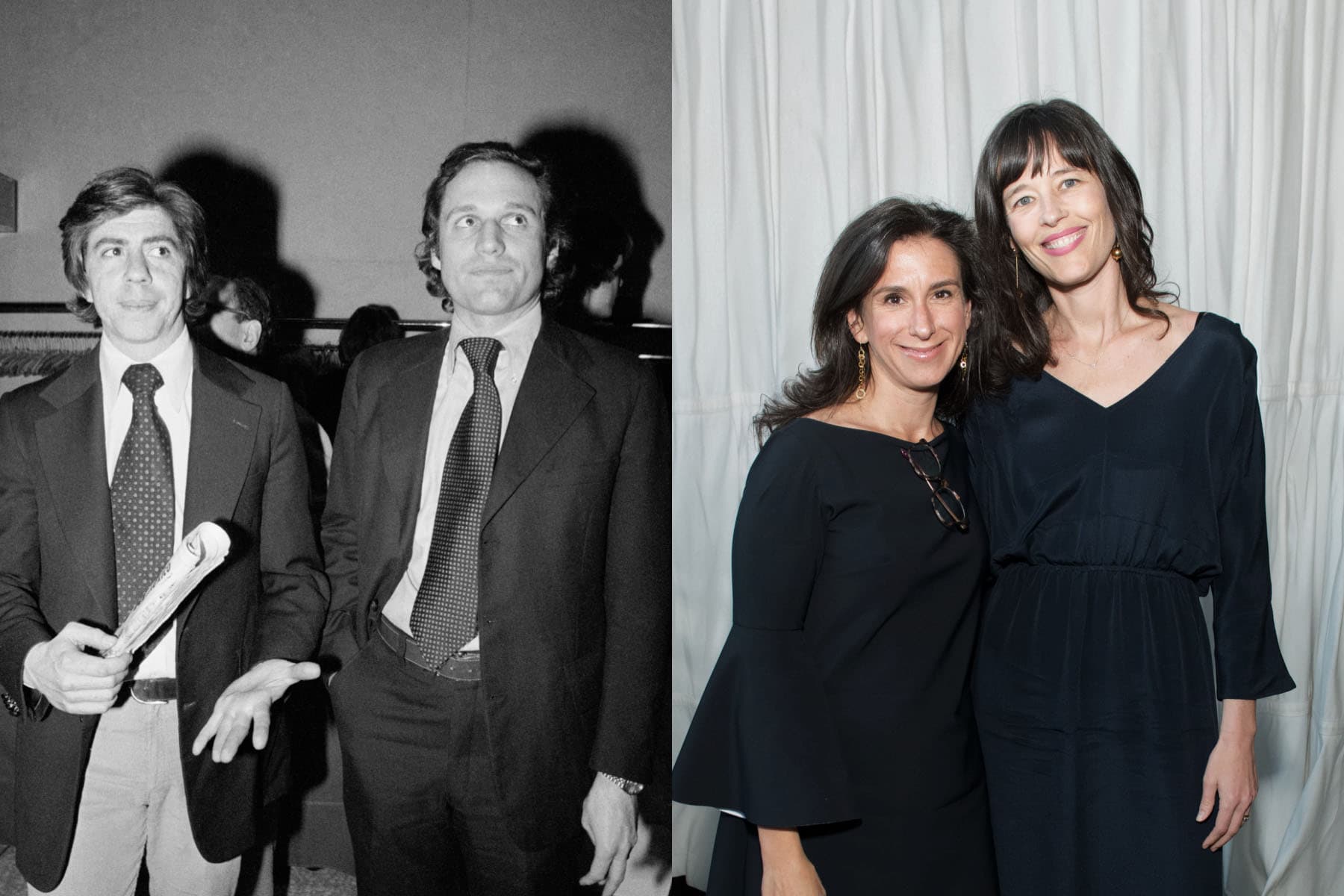
In 1977, Rolling Stone magazine published an investigation by Carl Bernstein—the journalist who had helped expose Watergate—that detailed something most Americans found difficult to believe: the CIA had secretly recruited over 400 journalists to gather intelligence and shape news coverage. The claim wasn't made lightly. Bernstein had spent months interviewing former intelligence officials and reviewing documents, building a case that suggested the American free press had been systematically compromised by the very government it was supposed to monitor.
At the time, the response from major media institutions ranged from dismissal to denial. News organizations that had potentially participated in the arrangement showed little interest in investigating their own possible complicity. The CIA itself acknowledged some cooperation with journalists but characterized it as minimal and historical. The agency suggested that any relationship between press and intelligence services was a relic of the Cold War, important context but nothing that would have influenced editorial decisions or news coverage. Most major outlets moved on quickly, treating Bernstein's investigation as important but ultimately unprovable.
Yet the evidence was already in plain sight. In that same year, the Church Committee—the Senate Select Committee to Study Governmental Operations with Respect to Intelligence Activities—had released its findings on CIA domestic operations. The committee's reports confirmed that the CIA had indeed maintained extensive relationships with American journalists. The documents revealed specific names: Stewart Alsop, whose syndicated column appeared in over 300 newspapers; Arthur Hays Sulzberger, publisher of the New York Times; and journalists at major outlets including Newsweek and Time magazine. These weren't fringe figures but some of the most influential voices in American journalism.
Get the 5 biggest receipts every week, straight to your inbox — plus an exclusive PDF: The Top 10 Conspiracy Theories Proven True in 2025-2026. No spam. No agenda. Just the papers they couldn't hide.
You just read "Bernstein: 400+ journalists secretly worked for CIA". We send ones like this every week.
No one's said anything yet. Be the first to drop your take.
Confirmed: They Were Right
The truth comes out. Officially documented.
Confirmed: They Were Right
The truth comes out. Officially documented.
The Church Committee found that these relationships went beyond casual information-sharing. CIA documents showed that the agency had used these journalists to plant stories, suppress information, and influence coverage of sensitive topics. The relationships had been active and ongoing, not merely historical artifacts. What Bernstein reported and what the Church Committee confirmed painted a picture of systematic media manipulation at the highest levels of American journalism during the Cold War and beyond.
The significance of this verification extends far beyond historical interest. It established that the barrier between press and intelligence apparatus was far more porous than the public had been led to believe. Citizens who thought they were reading independent journalism were sometimes consuming intelligence-agency messaging disguised as news. The trust that underpins democracy—the assumption that journalists operate independently and serve the public's right to know—had been deliberately compromised.
What makes this claim particularly relevant today is not just that it happened, but what its verification reveals about institutional accountability. The major news organizations that had been infiltrated showed little inclination toward full transparency about their involvement. The CIA's cooperation with hundreds of journalists wasn't treated as a fundamental betrayal of press independence that demanded systemic reform. Instead, it became a historical footnote, something people acknowledged and then moved past.
The public's ability to trust institutions depends on those institutions being fundamentally honest about past failures. When the relationship between press and state is obscured rather than examined, when powerful institutions protect themselves from scrutiny, the foundation of informed democracy erodes. Bernstein's investigation and the Church Committee's confirmation didn't just verify that the CIA had recruited journalists—they exposed how difficult it remains to hold powerful institutions accountable even when the evidence is documented and available.
Beat the odds
This had a 0% chance of leaking — someone talked anyway.
Conspirators
~100Network
Secret kept
0.5 years
Time to 95% exposure
500+ years