The Watergate scandal revealed that Nixon's administration engaged in illegal surveillance, campaign finance violations, and obstruction of justice. Nixon resigned in 1974 facing certain impeachment.
“The President of the United States authorized and participated in the cover-up of the Watergate break-in.”
From “crazy” to confirmed
The Claim Is Made
This is the moment they called it crazy.
On June 17, 1972, five men were arrested breaking into the Democratic National Committee headquarters at the Watergate complex in Washington, D.C. What began as a seemingly isolated burglary would become the most significant constitutional crisis in modern American history, ultimately forcing a sitting president from office.
At first, the Nixon administration dismissed the break-in as the work of amateur criminals with no connection to the White House. Press Secretary Ron Ziegler called early reporting "based on hearsay and innuendo." President Nixon himself assured the public that his administration had conducted a thorough investigation and found no involvement by anyone on his staff. For months, this denial held.
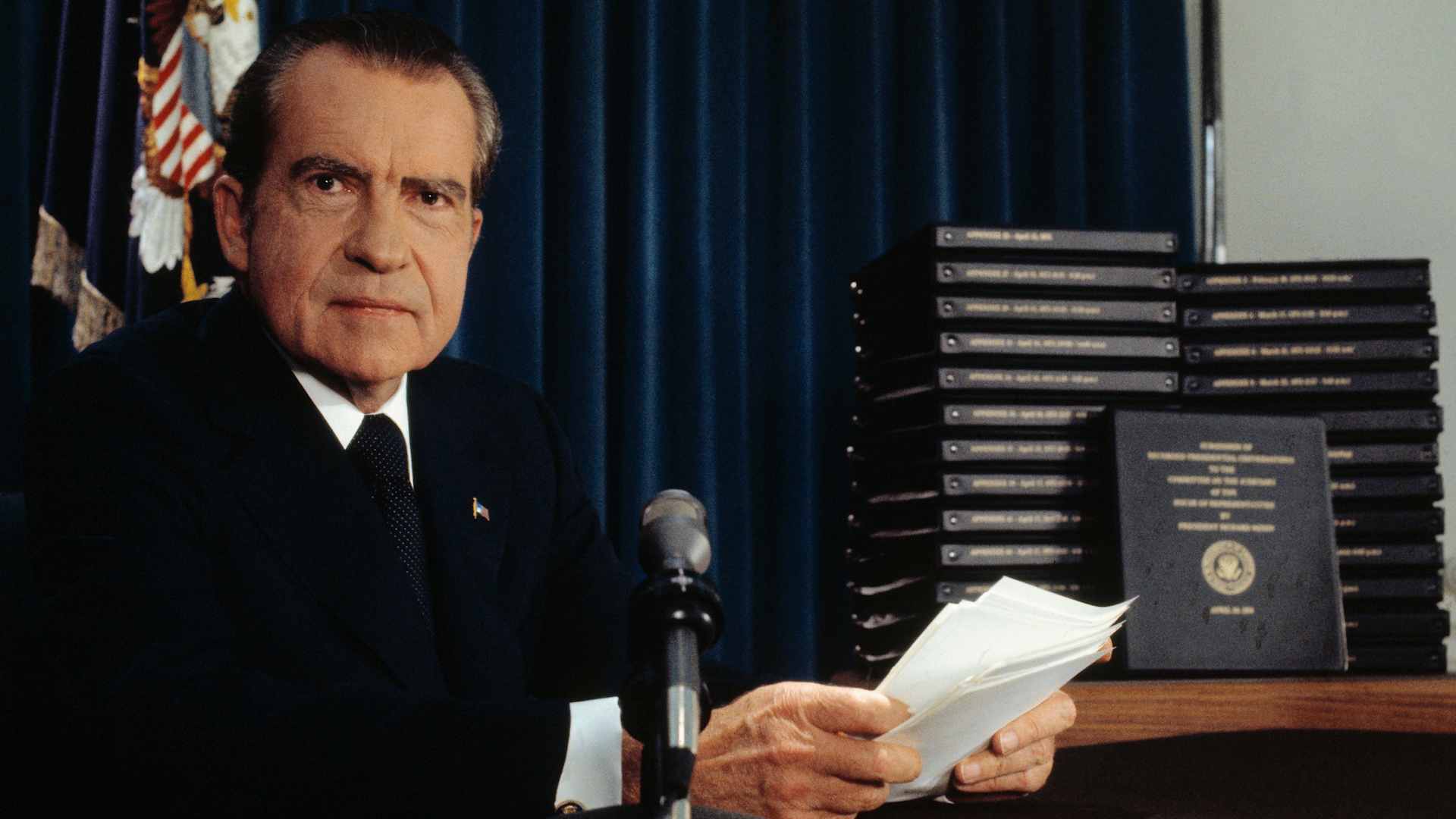
The official story unraveled slowly. Reporting by Washington Post journalists Bob Woodward and Carl Bernstein suggested the burglary was connected to Nixon's re-election committee. Congressional committees began investigating. Most critically, it emerged that Nixon had secretly recorded conversations in the Oval Office—and those tapes would become the smoking gun.
When the White House Tapes were finally released from the National Archives, they revealed what many had suspected: Nixon and his closest advisors had orchestrated a deliberate cover-up within days of the break-in. On June 23, 1972—just six days after the burglary—Nixon ordered aides to pressure the FBI to halt its investigation. He instructed them to claim national security concerns that were entirely fabricated. He discussed hush money payments to the burglars. He authorized false statements to be given to investigators.
The tapes also documented broader abuses of presidential power. They showed Nixon using federal agencies to target his political enemies, discussing how to manipulate the IRS, and approving plans to expand illegal domestic surveillance operations beyond what was already known. These weren't hypothetical conversations about what might be done—they were direct orders being executed in real time.
Get the 5 biggest receipts every week, straight to your inbox — plus an exclusive PDF: The Top 10 Conspiracy Theories Proven True in 2025-2026. No spam. No agenda. Just the papers they couldn't hide.
You just read "President Nixon authorized a cover-up of the Watergate break…". We send ones like this every week.
No one's said anything yet. Be the first to drop your take.
Confirmed: They Were Right
The truth comes out. Officially documented.
Confirmed: They Were Right
The truth comes out. Officially documented.
By July 1974, facing near-certain impeachment and conviction in the Senate, Nixon resigned. The House Judiciary Committee had already approved articles of impeachment charging obstruction of justice and abuse of power. He was replaced by Vice President Gerald Ford, who would later pardon him, preventing criminal prosecution.
The evidence was overwhelming and came directly from Nixon's own words. There was no ambiguity. A president had abused the full power of his office to cover up crimes and prevent justice from functioning. He had lied repeatedly to the American people and their representatives.
What made Watergate historically significant wasn't merely that it happened. It was that the system of checks and balances ultimately worked, even against a president determined to subvert them. Congress forced the release of evidence. The courts upheld their authority. The media investigated relentlessly. And the public, watching televised hearings, witnessed the facts.
Yet Watergate also exposed how fragile democratic accountability truly is. It took years, extraordinary political will, and damning self-incrimination to achieve consequences. For months, official denials had stood unchallenged. Without the tapes, Nixon might never have faced real pressure to resign.
Today, Watergate remains a cautionary tale about what unchecked executive power looks like—and a reminder that when those in power claim investigations are baseless or politically motivated, they may be describing exactly what they're doing themselves.
Beat the odds
This had a 0.4% chance of leaking — someone talked anyway.
Conspirators
~500Large op
Secret kept
2.1 years
Time to 95% exposure
500+ years