A Lancet study across 65 countries found natural immunity provided 88%+ protection against severe disease at 10 months post-infection. An Israeli study showed natural immunity was stronger than two-dose Pfizer vaccination against Delta. Despite this evidence, the CDC refused to recognize natural immunity in its policies, and the Washington Post noted 'policymakers seem afraid to say so.'
“Natural immunity from prior COVID infection is being deliberately ignored to push universal vaccination mandates.”
What they said vs. what the evidence shows
“We don't know how long natural immunity lasts. The safest way to build immunity is through vaccination.”
— CDC Director Rochelle Walensky · Aug 2021
SourceFrom “crazy” to confirmed
The Claim Is Made
This is the moment they called it crazy.
Throughout 2021 and into 2022, a growing body of scientific evidence demonstrated that natural immunity—protection gained from actually having and recovering from COVID-19—was remarkably effective at preventing severe disease. Yet major health agencies in the United States systematically excluded this evidence from their public guidance, a disconnect that would eventually draw scrutiny from mainstream media outlets and scientific journals.
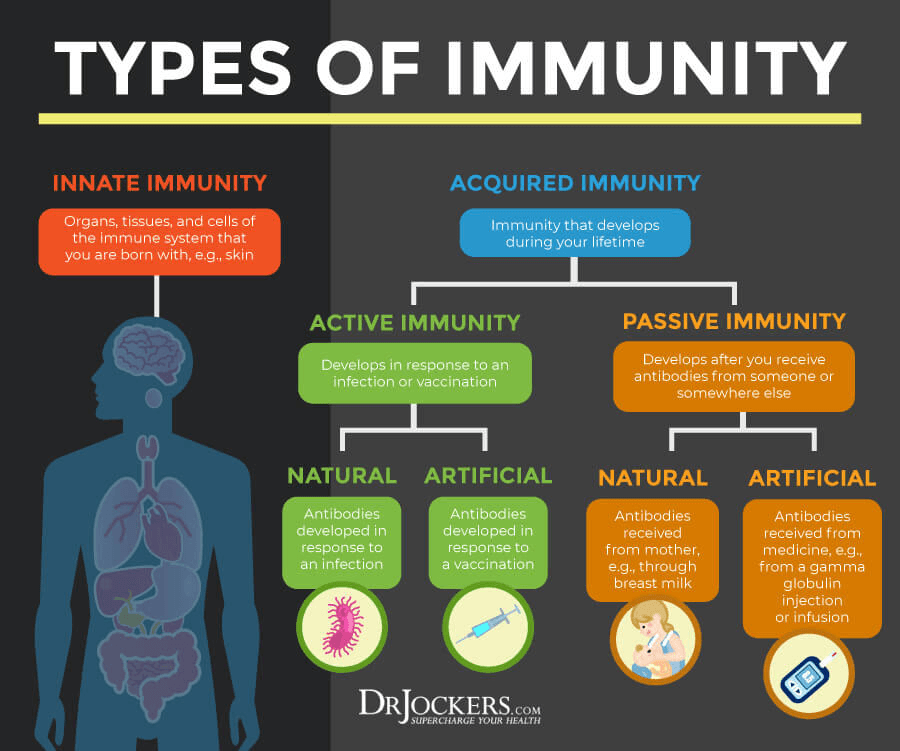
The claim was straightforward: people who had recovered from COVID-19 infection possessed robust immunity against the virus, particularly against severe outcomes. Researchers pointed to mechanisms well-understood in immunology—T-cell responses, B-cell memory, and antibody production—all triggered by actual viral infection. The question wasn't whether natural immunity existed, but whether it was being honestly acknowledged in public health policy.
Initially, the CDC and other U.S. health agencies took a different approach. Rather than weighing natural immunity against vaccination as complementary or alternative paths to protection, official guidance treated them as essentially irrelevant. The agency did not formally recognize natural immunity in its recommendations, instead focusing almost exclusively on vaccination rates. This stance created a practical problem: individuals who had recovered from COVID were told they still needed to be vaccinated the same as those with no prior infection, without distinction.
The scientific evidence, however, told a different story. A comprehensive Lancet study examining data across 65 countries found that natural immunity provided 88% or greater protection against severe disease at 10 months post-infection. This wasn't fringe research—The Lancet is one of the world's most prestigious medical journals. Around the same time, Israeli researchers published findings showing that natural immunity actually provided stronger protection than two doses of the vaccine against the Delta variant, a dominant strain in circulation at that moment.
Get the 5 biggest receipts every week, straight to your inbox — plus an exclusive PDF: The Top 10 Conspiracy Theories Proven True in 2025-2026. No spam. No agenda. Just the papers they couldn't hide.
You just read "Natural immunity to COVID-19 was effective but systematicall…". We send ones like this every week.
No one's said anything yet. Be the first to drop your take.
Confirmed: They Were Right
The truth comes out. Officially documented.
Confirmed: They Were Right
The truth comes out. Officially documented.
Science magazine, run by the American Association for the Advancement of Science, published an article with the headline "Having SARS-CoV-2 once confers much greater immunity than a vaccine." The Washington Post, not typically a publication focused on debunking official health guidance, published an opinion piece noting that "policymakers seem afraid to say so"—directly addressing the elephant in the room. These weren't anonymous sources or alternative media outlets; they were mainstream publications reporting on mainstream science that contradicted official policy.
The gap between evidence and policy created a credibility problem that extended far beyond COVID-19. When health agencies ignore or downplay evidence that doesn't align with their messaging, trust inevitably erodes. People noticed the discrepancy. They saw the studies. They watched officials avoid the topic in press conferences or dismiss it without substantive engagement.
This case illustrates a broader lesson about institutional accountability. Even when operating with good intentions—promoting vaccination, which remained protective—agencies lost credibility by appearing to suppress rather than contextualize inconvenient evidence. Public health is ultimately built on trust, and trust survives only when officials acknowledge what science actually says, even when it complicates the narrative they're promoting.
The full picture of COVID-19 immunity was more nuanced than the public messaging suggested. Acknowledging that didn't require abandoning vaccination efforts; it required honesty about the comparative benefits of different paths to protection. That honesty might have strengthened rather than weakened public health messaging—if people believe their government is telling them the whole truth.
Beat the odds
This had a 0.3% chance of leaking — someone talked anyway.
Conspirators
~300Network
Secret kept
2.1 years
Time to 95% exposure
500+ years