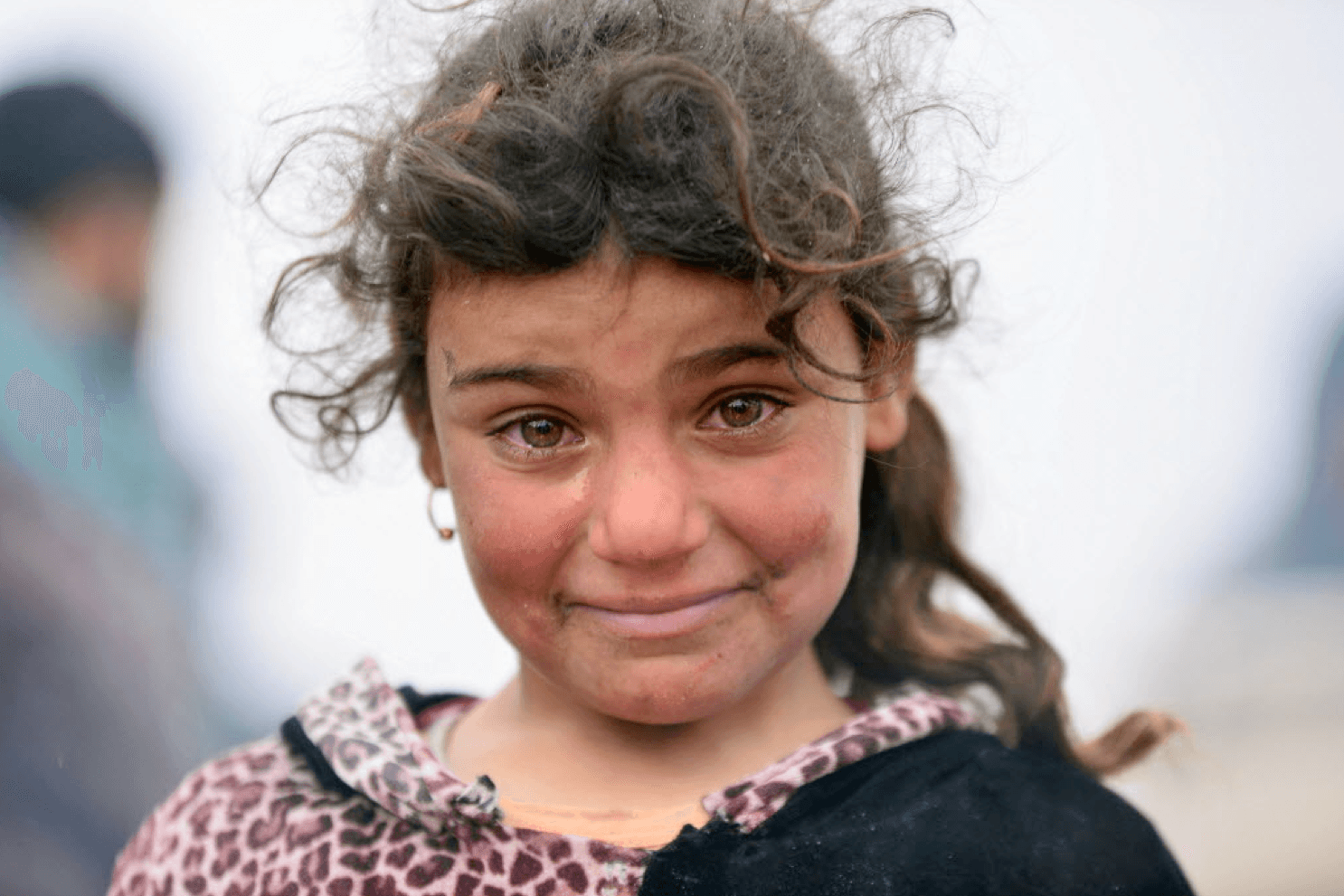
On October 10, 1990, a girl identified only as 'Nayirah' testified before Congress that she witnessed Iraqi soldiers pulling babies from incubators in Kuwait. The testimony was cited by six senators who supported the war resolution that passed by just five votes. It was later revealed that Nayirah was the daughter of Kuwait's ambassador to the US, coached by PR firm Hill & Knowlton (paid $10.7M by Citizens for a Free Kuwait). Human Rights Watch investigated and found no evidence for the incubator claims. The entire testimony was fabricated war propaganda.
“I saw the Iraqi soldiers come into the hospital with guns, and go into the room where 15 babies were in incubators. They took the babies out of the incubators, took the incubators, and left the babies on the cold floor to die.”
What they said vs. what the evidence shows
“Over 300 premature babies were reported to have died after Iraqi soldiers removed them from incubators.”
— Amnesty International (initially) · Dec 1990
SourceFrom “crazy” to confirmed
The Claim Is Made
This is the moment they called it crazy.
In October 1990, a teenage girl's account of atrocities changed the course of American foreign policy. Her name was withheld from the public—she was identified only as "Nayirah"—but her testimony before Congress became the emotional centerpiece of arguments to launch the Gulf War. Senators cited her account repeatedly. The imagery was visceral: Iraqi soldiers ripping newborns from hospital incubators and leaving them to die on cold floors.
What nobody knew at the time was that the entire story was manufactured.
On October 10, 1990, Nayirah delivered her tearful account to the Congressional Human Rights Caucus. She described witnessing Iraqi soldiers in Kuwait City methodically removing babies from incubators as part of a deliberate campaign of terror. The testimony was devastating. Six senators specifically referenced her account when arguing for military intervention. When the resolution to authorize force passed Congress on January 12, 1991, it did so by a margin of just five votes in the Senate. Nayirah's words had likely tipped the balance.
At the time, media outlets and government officials treated the testimony as genuine documentation of Iraqi brutality. Few questioned its authenticity. The story fit a narrative already being constructed by American political leadership. There was no obvious reason to doubt a young girl describing what she claimed to have witnessed firsthand.
What emerged later exposed a more troubling reality. Investigative journalists discovered that "Nayirah" was actually the daughter of Kuwait's ambassador to the United States. She had not been in Kuwait when the alleged incidents occurred. More significantly, her testimony had been coached and orchestrated by Hill & Knowlton, a major public relations firm that had been paid $10.7 million by an organization called Citizens for a Free Kuwait. The entire performance was a professional propaganda operation designed to sway American public opinion and congressional votes.
Get the 5 biggest receipts every week, straight to your inbox — plus an exclusive PDF: The Top 10 Conspiracy Theories Proven True in 2025-2026. No spam. No agenda. Just the papers they couldn't hide.
You just read "A 15-year-old girl's tearful testimony about Iraqi soldiers …". We send ones like this every week.
No one's said anything yet. Be the first to drop your take.
Confirmed: They Were Right
The truth comes out. Officially documented.
Confirmed: They Were Right
The truth comes out. Officially documented.
Human Rights Watch conducted an independent investigation into the incubator claims. They found no credible evidence that Iraqi soldiers had systematically removed babies from incubators. No hospital records supported it. No medical professionals corroborated it. The atrocities described simply did not happen—at least not in the way they had been presented to Congress and the American people.
The revelation came too late. The war was already underway. Hundreds of thousands of people had been killed in the conflict that followed, launched partly on the basis of testimony that was carefully constructed fiction.
This case matters because it demonstrates how malleable public consent for military action can be. A single emotional narrative, delivered by a sympathetic witness and amplified through media coverage, proved more persuasive than factual analysis. The people responsible for manufacturing the testimony faced minimal consequences. Hill & Knowlton continued operating as a major firm. The broader question of how democracies make decisions about war—and what happens when those decisions rest on fabricated evidence—remained largely unexamined.
The Nayirah testimony serves as a cautionary reminder that verified claims presented to the public during moments of crisis deserve skepticism, not reflexive acceptance. When the stakes involve military intervention, the burden of proof should be extraordinarily high. This case shows what happens when it isn't.
Beat the odds
This had a 0.5% chance of leaking — someone talked anyway.
Conspirators
~1,000Large op
Secret kept
1.3 years
Time to 95% exposure
500+ years