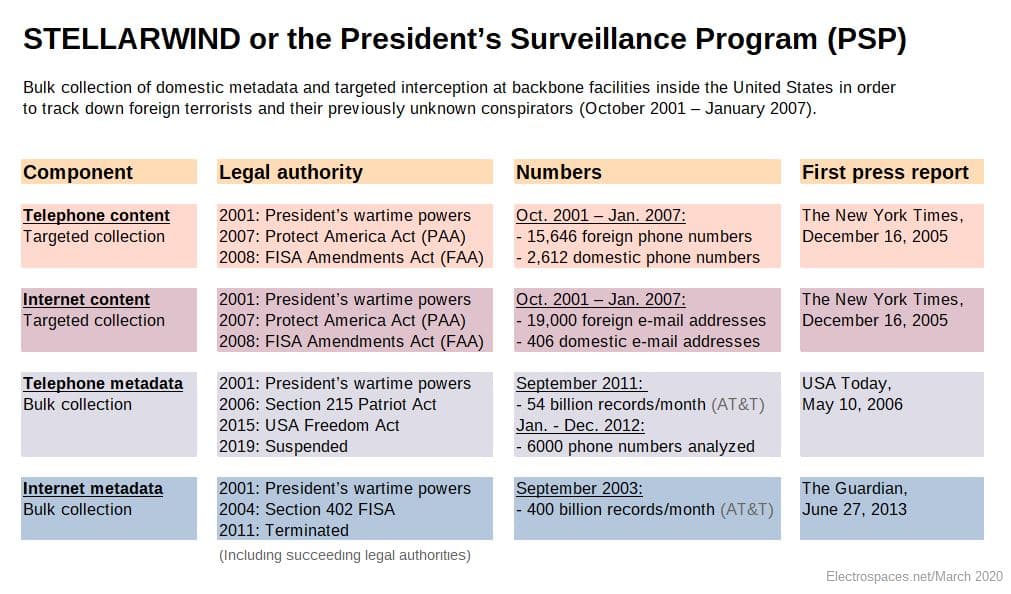
Before the Patriot Act, the NSA secretly collected bulk phone records and internet metadata starting in 2001 without legal authority.
“All NSA surveillance activities are conducted under proper legal authority”
From “crazy” to confirmed
The Claim Is Made
This is the moment they called it crazy.
For nearly a decade, the National Security Agency operated in the shadows, collecting the phone records of millions of Americans without a warrant, without legal authority, and without public knowledge. The program, codenamed Stellar Wind, began in 2001 and remained classified until whistleblowers exposed its existence to the American people.
When the scope of Stellar Wind first emerged in public reporting, particularly through revelations by NSA whistleblower Thomas Drake and later confirmed by Edward Snowden's disclosures in 2013, government officials and intelligence community defenders pushed back hard. The official line was consistent: any surveillance operations were conducted under appropriate legal frameworks, conducted with proper oversight, and necessary for national security. Critics who claimed the NSA was operating without authorization were dismissed as either misunderstanding the law or engaging in alarmist rhetoric.
But the documentary record told a different story. Stellar Wind wasn't authorized by Congress. It wasn't approved by the Foreign Intelligence Surveillance Court. Instead, it was approved internally by NSA leadership in the months following September 11, 2001, based on legal opinions crafted within the agency itself. The program collected bulk phone metadata—numbers called, duration of calls, time stamps—on a scale that shocked even senior officials when they learned the details years later.
Get the 5 biggest receipts every week, straight to your inbox — plus an exclusive PDF: The Top 10 Conspiracy Theories Proven True in 2025-2026. No spam. No agenda. Just the papers they couldn't hide.
You just read "NSA illegally collected phone metadata of millions of Americ…". We send ones like this every week.
No one's said anything yet. Be the first to drop your take.
The evidence of illegal activity came from multiple directions. Inspector General reports, declassified years after the fact, documented that senior NSA officials themselves questioned the legal basis for Stellar Wind. In 2004, a confrontation at then-Attorney General John Ashcroft's hospital bed revealed that even top Department of Justice officials believed the program lacked proper legal authority. Ashcroft's deputy, James Comey, threatened to resign over the matter.
What made Stellar Wind particularly significant wasn't just that it happened—it was the template it established. When Congress passed the Patriot Act in October 2001, it created legal frameworks for surveillance. Yet the NSA had already begun collecting this data without waiting for legal authorization. The program that was eventually brought under the Patriot Act's Section 215 had been operating in legal limbo since spring of that year.
The stakes of Stellar Wind extend beyond a single program or a single era. This wasn't a rogue operation conducted by low-level officials or a misunderstanding of existing law. This was a deliberate decision by agency leadership to collect sensitive information about American citizens without legal authority, betting that the post-9/11 environment would provide cover for the decision. It was only disclosed when someone inside the system decided the public had a right to know.
For citizens trying to understand their government's relationship with surveillance and power, Stellar Wind represents a crucial historical fact. It demonstrates that the surveillance state didn't emerge accidentally through gradual regulatory expansion. It was built through deliberate choices by unelected officials, often in secret, sometimes in violation of law, and justified retroactively through emergency and necessity.
The program has since been reformed, reformed again, and debated endlessly. But the core claim—that the NSA illegally collected millions of Americans' phone records before any legal authorization existed—isn't a matter of interpretation or perspective. It's documented fact.
Beat the odds
This had a 1.6% chance of leaking — someone talked anyway.
Conspirators
~200Network
Secret kept
20.4 years
Time to 95% exposure
500+ years