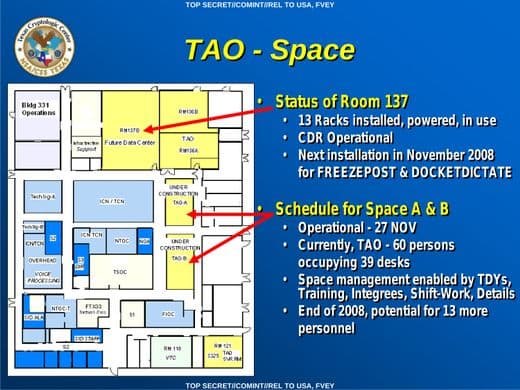
Der Spiegel revealed in 2013, from Snowden documents, that NSA's Tailored Access Operations (TAO) unit routinely intercepted servers, routers, and networking equipment during shipping to install covert hardware implants and firmware backdoors before delivery. The ANT Catalog listed 100+ products including radio frequency modules, firmware Trojans, and tools targeting Cisco, Juniper, Huawei, and Apple devices. TAO's 'load stations' would open packages, install surveillance equipment, reseal them, and send them to targets. The unit hacked 258 targets across 89 countries.
“The NSA intercepts computer equipment in transit and installs hidden surveillance hardware and firmware before it reaches the buyer. Your new router may already be compromised.”
From “crazy” to confirmed
The Claim Is Made
This is the moment they called it crazy.
When you order a router or server online, you assume it arrives exactly as the manufacturer shipped it. That assumption has a significant problem.
In 2013, the German news outlet Der Spiegel published documents provided by NSA whistleblower Edward Snowden revealing that the National Security Agency's Tailored Access Operations unit—an elite hacking division—had been systematically intercepting computer hardware in transit. Before these devices reached their destinations, TAO technicians would open packages, install covert surveillance implants, reseal them, and send them on their way. The targets never knew they'd been compromised before the equipment even powered on.
For years, security experts had theorized that such interception programs could exist. The technical capability seemed obvious: the NSA had the infrastructure, the expertise, and the access to major shipping routes. But theory and documented proof are different things. When Snowden's materials surfaced, they offered something rare—concrete evidence of a practice that had moved from speculation into operational reality.
The revelations included the ANT Catalog, an internal NSA shopping list of surveillance tools and techniques. The catalog described more than 100 products and methods, including radio frequency modules that could be embedded into devices, firmware Trojans that could take control of equipment at the most basic level, and specialized tools targeting popular equipment from manufacturers like Cisco, Juniper, Huawei, and Apple. TAO maintained what they called "load stations"—physical locations where intercepted packages could be opened, modified, and resealed without detection.
Get the 5 biggest receipts every week, straight to your inbox — plus an exclusive PDF: The Top 10 Conspiracy Theories Proven True in 2025-2026. No spam. No agenda. Just the papers they couldn't hide.
You just read "NSA's TAO unit intercepted computer hardware shipments to in…". We send ones like this every week.
No one's said anything yet. Be the first to drop your take.
Confirmed: They Were Right
The truth comes out. Officially documented.
Confirmed: They Were Right
The truth comes out. Officially documented.
The scope was staggering. According to the documents, TAO's operations had compromised 258 targets across 89 countries. These weren't random attacks. They were surgical interventions against specific organizations, governments, and individuals deemed valuable to American intelligence interests. A server compromised before delivery becomes a permanent backdoor. It's surveillance installed at the hardware level, invisible to standard security measures, and virtually impossible to detect without disassembling the device.
The NSA's response was characteristically opaque. The agency didn't deny the program—it couldn't, not with Snowden's documents in circulation. Instead, officials framed TAO's work as necessary counterintelligence and counterterrorism operations. They argued the program targeted hostile actors and was conducted under appropriate legal authority. The debate that followed focused on whether such operations were justified, not whether they happened.
What matters about this claim isn't just that it was true. It's what its verification meant for the public's understanding of surveillance technology and supply chain security. For decades, the conventional wisdom held that if you wanted to spy on someone, you hacked their software or broke their encryption. The TAO revelations showed that the most effective espionage happens earlier—at the point where equipment is manufactured and shipped.
Every intercepted server, every compromised router, every modified networking device represented a relationship of trust broken before it began. Manufacturers couldn't guarantee their own products. Customers couldn't trust supply chains. And somewhere in the NSA's suburban Virginia headquarters, technicians had industrial-scale access to intercept almost any hardware shipment they wanted to target.
The verification of this claim didn't change what happened. But it changed what we know happened, and that distinction matters for anyone who still believes their digital security begins with passwords and encryption.
Beat the odds
This had a 0% chance of leaking — someone talked anyway.
Conspirators
~150Network
Secret kept
0.5 years
Time to 95% exposure
500+ years