Army Intelligence conducted illegal surveillance on over 100,000 American citizens from 1967-1971. Church Committee investigations revealed massive domestic spying operations targeting protesters.
“Military intelligence does not conduct domestic surveillance operations”
From “crazy” to confirmed
The Claim Is Made
This is the moment they called it crazy.
The U.S. Army was spying on American citizens on their own soil, collecting files on over 100,000 people who dared to protest against war and discrimination. This wasn't Cold War paranoia or fringe suspicion—it was documented fact, confirmed through official government investigation.
Operation CHAOS began in 1967, though the full scope of military surveillance wouldn't become public knowledge for years. Army Intelligence units, operating under the banner of counterintelligence, systematically monitored anti-war protesters, civil rights activists, and other political dissidents across the country. The surveillance wasn't limited to suspected threats; it was broad, indiscriminate, and fundamentally at odds with the Constitution.
When activists and journalists first raised alarms about government surveillance in the late 1960s and early 1970s, officials dismissed the concerns as exaggeration. The military and intelligence community maintained they were only tracking genuine security threats. Critics were portrayed as paranoid conspiracy theorists making wild accusations without evidence. Government spokespeople assured the public that domestic military surveillance simply didn't happen at the scale being claimed—or didn't happen at all.
The truth emerged when Congress decided to investigate. The Church Committee, formally known as the Select Committee to Study Governmental Operations with Respect to Intelligence Activities, launched a comprehensive review of surveillance programs in 1975. What they uncovered was damning: the Army's Intelligence and Security Command had maintained files on approximately 100,000 American civilians. The surveillance targeted everyone from Black Panther members to Martin Luther King Jr. supporters to Vietnam War protesters to student activists.
The documented evidence was substantial. The reviewed actual surveillance records, operational files, and testimony from military officers involved in the programs. These weren't rumors or allegations—they were institutional documents showing that military intelligence units had systematically collected information on lawful political activity. The Army had even established a special database called CONUS Intelligence (Continental United States Intelligence) specifically designed to track domestic dissent.
Get the 5 biggest receipts every week, straight to your inbox — plus an exclusive PDF: The Top 10 Conspiracy Theories Proven True in 2025-2026. No spam. No agenda. Just the papers they couldn't hide.
You just read "Operation CHAOS - Military Spied on Anti-War Protesters and …". We send ones like this every week.
No one's said anything yet. Be the first to drop your take.
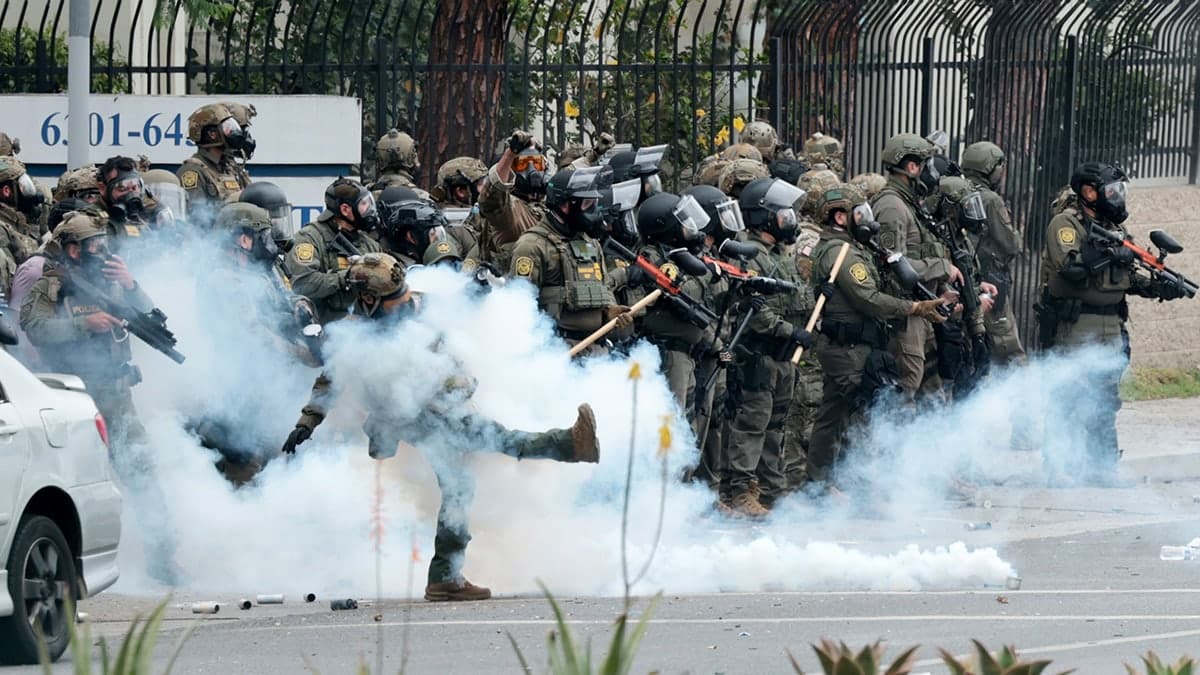
What made Operation CHAOS particularly troubling wasn't just that it happened, but how it happened. Military personnel infiltrated protest groups, attended public demonstrations, and filed reports on citizens engaged in constitutionally protected speech and assembly. The surveillance was conducted with virtually no oversight, minimal accountability, and no legal authorization. Targets included journalists, academics, and elected officials who questioned government policy.
The Church Committee's findings represented a watershed moment in American history. Congress subsequently enacted legislation to constrain intelligence operations and establish oversight mechanisms like the Foreign Intelligence Surveillance Court. But the investigation also revealed something harder to quantify: the depth of institutional secrecy and the willingness of government agencies to operate far beyond their legal authority.
Operation CHAOS matters because it exposes how easily constitutional protections can erode when agencies operate in darkness. It demonstrates that skepticism about government claims isn't paranoia—sometimes it's warranted caution. The people who raised concerns about military surveillance in the 1960s weren't wrong. They were ahead of the official narrative, which took a congressional investigation to catch up.
Today, when citizens question whether their government is watching them, this history provides context. The surveillance state didn't materialize overnight in the digital age. It grew from operations like CHAOS, where the foundation was already laid decades ago. The question isn't whether it can happen again. It's whether we've learned to prevent it.
Unlikely leak
Only 20.2% chance this would come out. It did.
Conspirators
~1,000Large op
Secret kept
56.4 years
Time to 95% exposure
500+ years