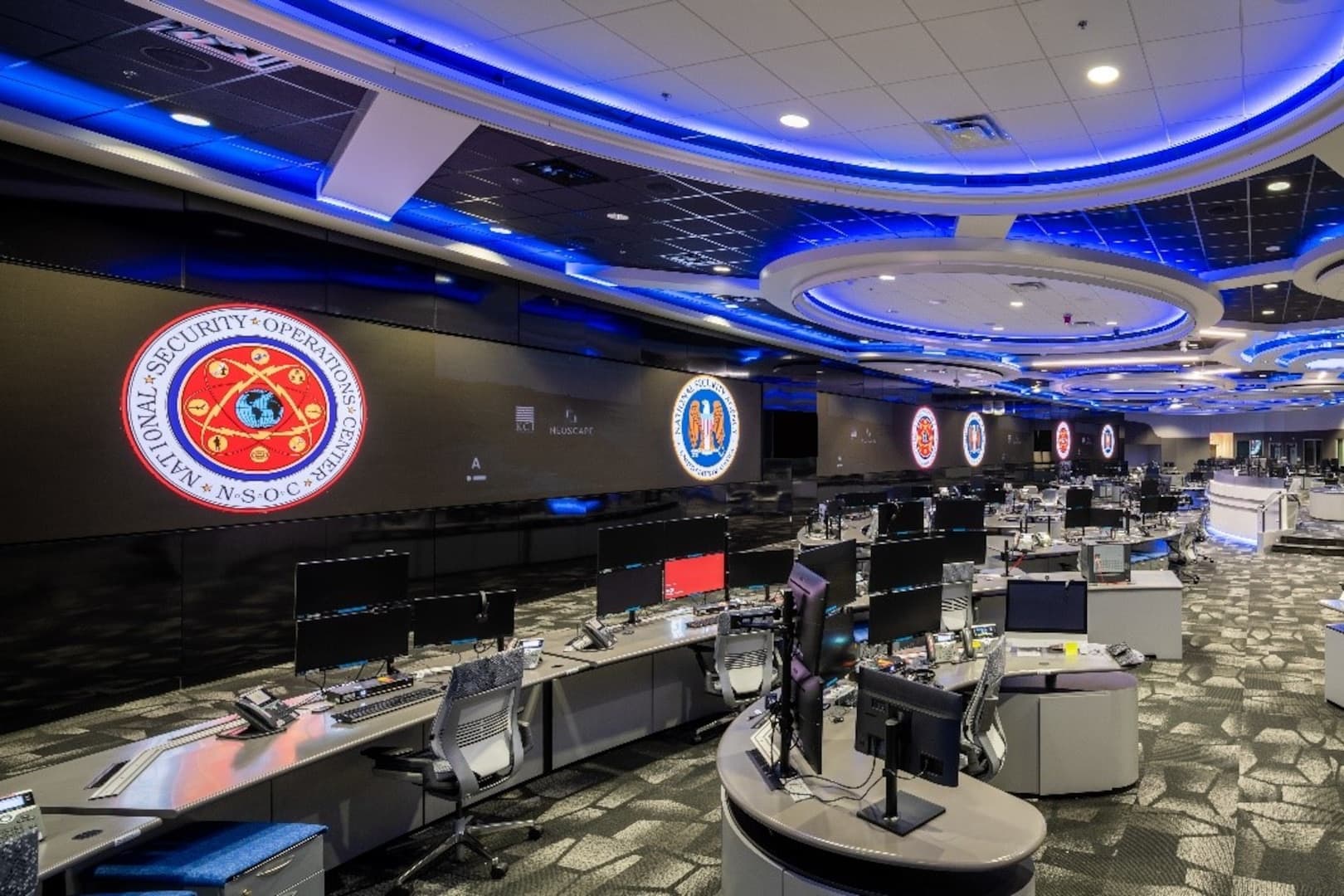
Congressional investigations revealed the NSA conducted domestic surveillance on 300,000 Americans including prominent journalists, violating laws prohibiting domestic spying.
“The NSA only conducts foreign intelligence operations and does not spy on Americans”
From “crazy” to confirmed
The Claim Is Made
This is the moment they called it crazy.
For decades, the American government maintained a simple promise to its citizens: the National Security Agency did not spy on Americans. It was a reassuring statement, repeated in classified briefings and public statements alike. That promise turned out to be a lie.
The revelation came through congressional investigations in the 1970s, which uncovered Operation CHAOS—a sprawling domestic surveillance program that had monitored roughly 300,000 Americans without their knowledge or consent. Among those targeted were journalists, anti-war activists, civil rights leaders, and ordinary citizens whose only crime was speaking out against government policy.
The program wasn't new when it was exposed. It had been running quietly since the mid-1960s, operating under the assumption that anyone questioning American military involvement in Vietnam might pose a security threat. The NSA didn't just collect information passively—they actively monitored phone calls, intercepted mail, and built dossiers on people exercising their constitutional rights.
When activists and journalists first raised concerns about surveillance, government officials dismissed them. The standard response was bureaucratic and firm: the NSA's charter prohibited domestic operations, and any suggestion otherwise was unfounded speculation. Privacy advocates who warned about government overreach were often portrayed as paranoid or unpatriotic. The very idea that the NSA would violate its own legal restrictions seemed implausible to many Americans who trusted their institutions.
Get the 5 biggest receipts every week, straight to your inbox — plus an exclusive PDF: The Top 10 Conspiracy Theories Proven True in 2025-2026. No spam. No agenda. Just the papers they couldn't hide.
You just read "Operation CHAOS: NSA illegally spied on American anti-war ac…". We send ones like this every week.
No one's said anything yet. Be the first to drop your take.
Then came Project SHAMROCK, another related program that the government had concealed. SHAMROCK involved the NSA secretly obtaining copies of all telegrams sent to, from, or transiting through the United States. Telecommunications companies cooperated willingly, handing over millions of messages. This wasn't aberrant behavior by a rogue agency—it was systematic, institutionalized surveillance conducted with private sector cooperation.
The evidence was overwhelming once it became public. Congressional investigators reviewed classified documents and interviewed NSA officials. The numbers didn't lie: 300,000 Americans had been caught in the surveillance net. Some files stretched back years, containing personal information, financial records, and correspondence that had no connection to legitimate national security concerns.
What made this particularly damaging was the targeting of specific groups. Anti-war activists faced increased scrutiny. Journalists investigating government wrongdoing found themselves on watch lists. The program effectively chilled free speech—people knew or suspected they were being watched, and that knowledge changed their behavior.
The investigations concluded that the NSA had systematically violated the law. There was no ambiguity in the findings, no gray area where officials could claim they were operating within their authority. They simply weren't. The programs operated in secret, without judicial oversight, without congressional knowledge, and in direct violation of statutes meant to prevent exactly this kind of abuse.
Today, Operation CHAOS and Project SHAMROCK matter because they established a pattern. They showed that government agencies could operate in secret, that they could lie about their activities, and that institutional safeguards could fail completely. Even more troubling, they demonstrated that once exposed, the consequences were minimal—no significant criminal charges, no major restructuring, just the knowledge that it had happened.
The lesson wasn't that Americans should trust their government less. It was that they should demand accountability, oversight, and transparency. Institutions don't police themselves. Exposing the truth requires constant vigilance, independent journalism, and citizens willing to question official narratives. Without those things, surveillance returns—often wearing a different name.
Beat the odds
This had a 2% chance of leaking — someone talked anyway.
Conspirators
~100Network
Secret kept
51.4 years
Time to 95% exposure
500+ years