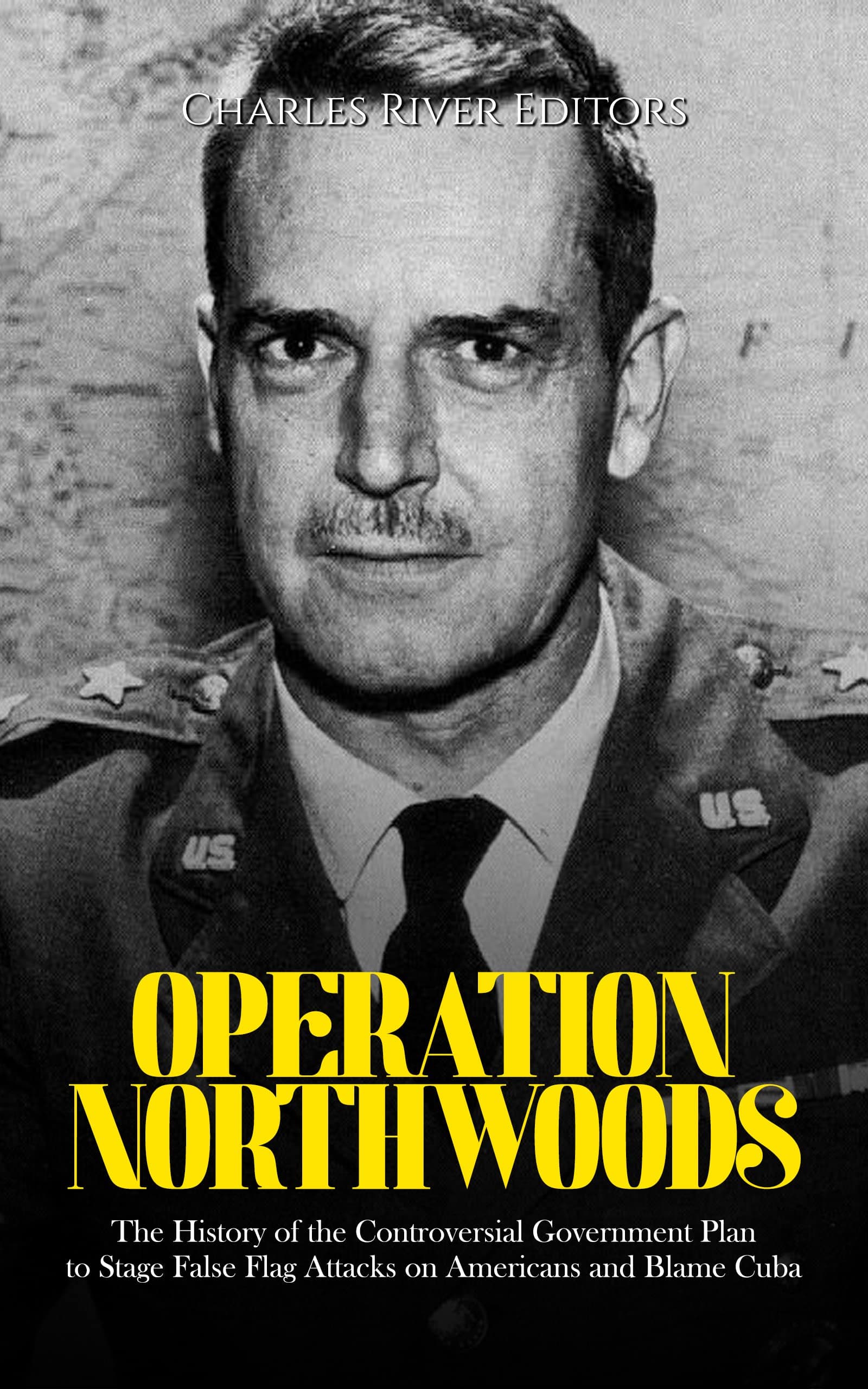
Joint Chiefs of Staff drafted plans for CIA to conduct terrorist attacks on US targets and blame Cuba. Declassified documents from 1997 revealed proposals including hijacking planes, bombing Miami, and staging fake Cuban attacks on Guantanamo Bay.
“No such plans were ever seriously considered by the Department of Defense”
From “crazy” to confirmed
The Claim Is Made
This is the moment they called it crazy.
In 1962, the Joint Chiefs of Staff presented their commander in chief with a series of proposals that read like a thriller plot rather than official military doctrine. The plans, collectively known as Operation Northwoods, called for the Department of Defense to stage false flag terrorist attacks on American citizens and blame Cuba to justify a full-scale invasion of the island nation.
The architects of these proposals weren't fringe theorists operating in the shadows. They were the highest-ranking military officers in the United States, including then-Chairman of the Joint Chiefs Lyman Lemnitzer. The documents outlined multiple scenarios: hijacking commercial airplanes and destroying them, bombing American cities, orchestrating attacks on the naval base at Guantanamo Bay, and even staging a fake Cuban attack on American ships. One proposal suggested creating a pretext by sinking the USS Maine's successor vessel and blaming Cuba for it—echoing the actual 1898 incident that sparked the Spanish-American War.
President John F. Kennedy rejected these proposals outright, which spared the nation from what would have amounted to a manufactured war. For decades, the American public knew nothing about Operation Northwoods. When the idea of false flag operations was discussed, government officials and mainstream media dismissed such suggestions as paranoid conspiracy theories unworthy of serious consideration.
The official position was straightforward: the military would never propose such things, and the very suggestion that government could conduct terrorist attacks against its own citizens was the stuff of unfounded paranoia. Pentagon representatives, when questioned about unconventional military thinking, painted a picture of an institution bound by strict ethical codes and constitutional limitations. The idea that American military leadership had seriously contemplated terror was relegated to the realm of lunatic fringe thinking.
Get the 5 biggest receipts every week, straight to your inbox — plus an exclusive PDF: The Top 10 Conspiracy Theories Proven True in 2025-2026. No spam. No agenda. Just the papers they couldn't hide.
You just read "Operation Northwoods proposed false flag attacks on American…". We send ones like this every week.
No one's said anything yet. Be the first to drop your take.
Everything changed in 1997. The classified documents were declassified and released to the public, and suddenly the "conspiracy theory" became historical fact. The declassified files confirmed what skeptics had been denied: the Joint Chiefs of Staff had indeed drafted these proposals in meticulous detail. The documents were authentic, bearing official signatures and bearing the kind of specific operational language that only comes from serious military planning.
The evidence wasn't ambiguous. These weren't isolated musings from a single rogue officer. The proposals came from the institution itself, from the men responsible for the nation's military strategy. Historian James Bamford documented the operation extensively, and the declassified materials left no room for interpretation: senior American military leadership had proposed staging terrorist attacks on American soil to manufacture consent for war.
What makes Operation Northwoods significant isn't just that it happened, but what it reveals about institutional knowledge and public trust. For thirty-five years, the government denied or obfuscated this history. Anyone who suggested such a thing was possible was dismissed as paranoid. Yet the documents proved that skepticism toward official narratives wasn't paranoia—it was warranted caution.
Operation Northwoods demonstrates why documented evidence matters more than institutional reassurance. It shows that legitimate government overreach isn't prevented by the government policing itself, but by transparency and oversight. The military officers who proposed these attacks faced no consequences; they retired with honors. The lesson for the public is uncomfortable but clear: extraordinary claims about government misconduct deserve serious investigation, not dismissal.
Unlikely leak
Only 12% chance this would come out. It did.
Conspirators
~500Large op
Secret kept
64.2 years
Time to 95% exposure
500+ years