McKesson, Cardinal Health, and AmerisohnBergen ignored obvious red flags and shipped millions of suspicious opioid orders to pill mills, despite legal obligations to report and halt suspicious shipments.
“We operate robust monitoring systems to detect and report suspicious orders as required by law”
From “crazy” to confirmed
The Claim Is Made
This is the moment they called it crazy.
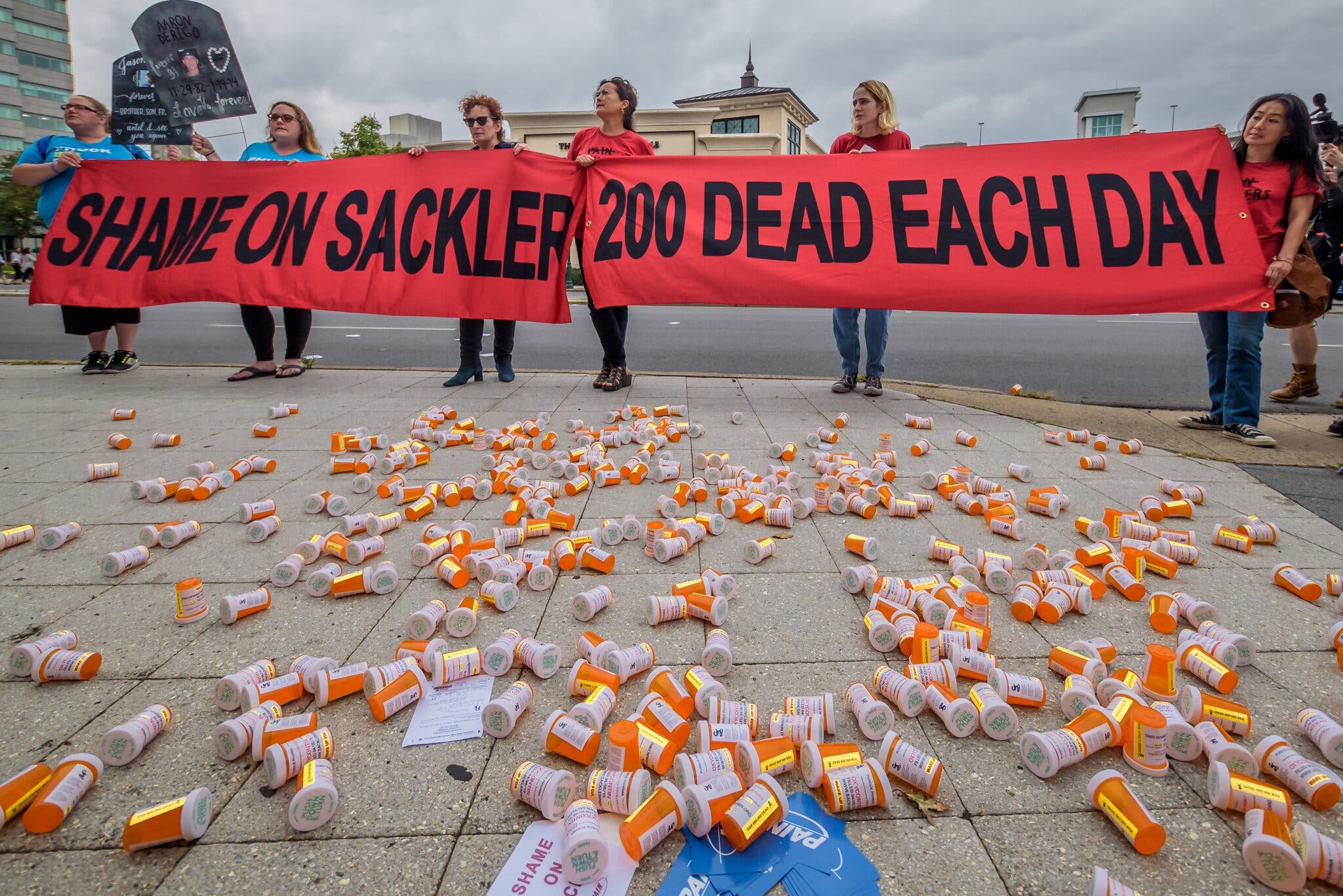
Millions of pills flowed into communities that didn't need them. Small-town pharmacies received shipments ten times larger than their patient populations could justify. Yet the companies responsible for stopping this flow—McKesson, Cardinal Health, and AmerisourceBergen—continued filling orders they knew were suspicious.
For years, the claim that major pharmaceutical distributors ignored obvious red flags while fueling the addiction epidemic sounded like the work of a few bad actors. Industry representatives dismissed the allegations as overblown, arguing they had systems in place to catch diversion. Regulators seemed content with this explanation. The narrative held: maybe some individual employees made mistakes, but the system worked as intended.
The evidence told a different story entirely.
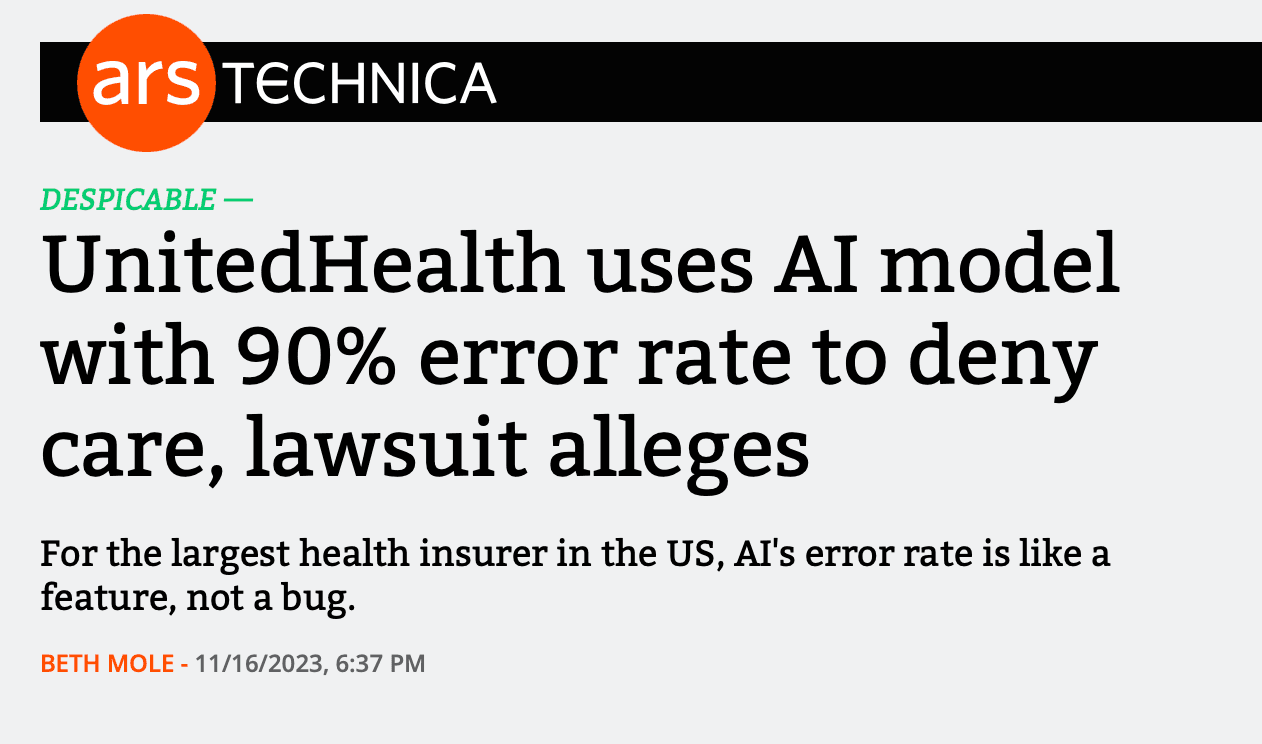
Federal investigations and legal discovery revealed what critics had been saying all along: the three largest opioid distributors in America willfully neglected their legal obligations to report and halt suspicious orders. Internal documents showed they received alerts about impossible quantities of pills going to single locations, yet continued shipping anyway. They knew. That's the part that matters most.
In 2023, McKesson, Cardinal Health, and AmerisourceBergen finalized a landmark $26 billion settlement with state and local governments, effectively admitting fault without admitting guilt—a legal strategy common enough to be almost transparent. The settlement amount itself served as an admission: companies don't pay tens of billions unless they genuinely broke something.
The verification came through specific evidence. Investigators found that these distributors shipped 76 billion opioid pills across America between 2006 and 2012 alone. Some counties received shipments that equaled dozens of pills per resident. Pharmacy chains known as "pill mills" received successive shipments despite zero legitimate medical justification. The distributors had contractual obligations to halt suspicious orders. They had the technology to flag anomalies. They had the legal framework requiring action. What they lacked was the will to disrupt their profit machine.
Get the 5 biggest receipts every week, straight to your inbox — plus an exclusive PDF: The Top 10 Conspiracy Theories Proven True in 2025-2026. No spam. No agenda. Just the papers they couldn't hide.
You just read "Opioid distributors ignored suspicious orders while fueling …". We send ones like this every week.
No one's said anything yet. Be the first to drop your take.
One particularly damning pattern emerged: when the DEA pressured certain distributors to tighten controls, shipments simply redirected to less-scrutinized competitors. This wasn't incompetence. This was choreography.
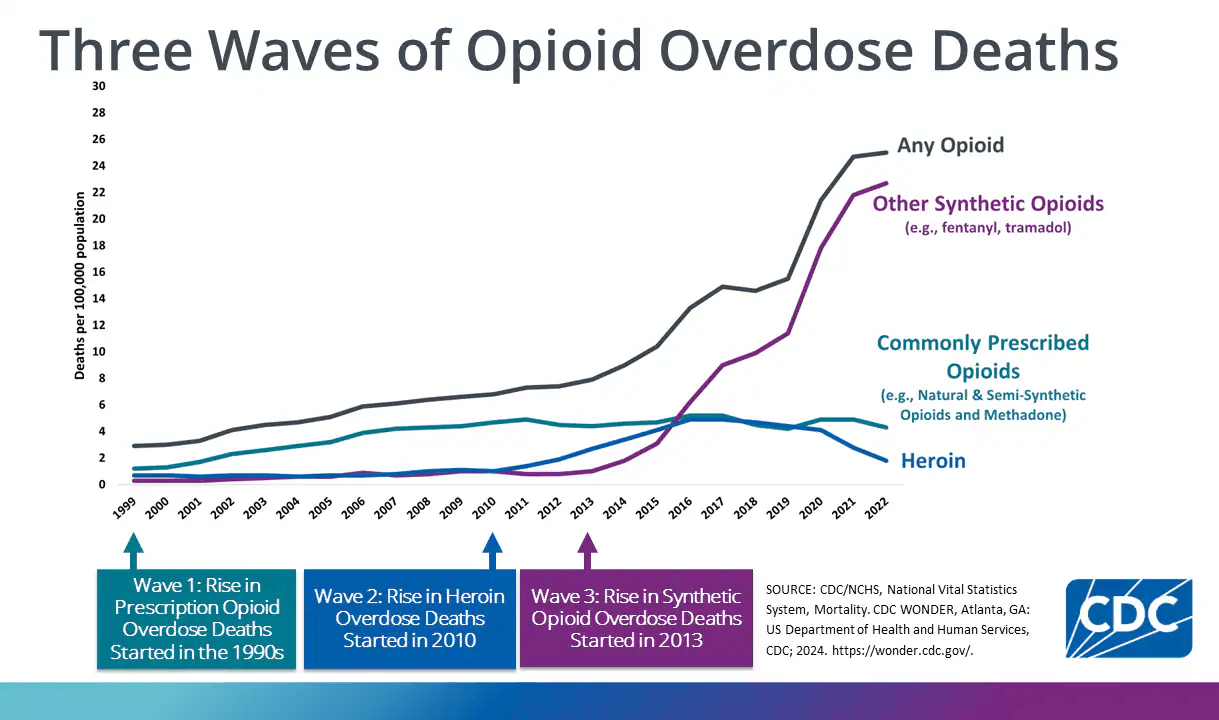
What makes this verification important transcends the specific claim. The opioid crisis killed nearly 70,000 Americans in 2020 alone—more deaths than car accidents, homicides, and suicides combined. Behind each statistic is a family that might have been spared had these companies honored their legal obligations. The claim that distributors ignored red flags wasn't just true; it was foundational to understanding how a public health catastrophe happened in plain sight.
The larger lesson concerns the gap between official reassurances and documented reality. When regulators and corporations insist that oversight mechanisms work, when they claim problems are isolated, we now know to demand proof. The opioid distributor claim spent years in the zone between "controversial allegation" and "mainstream acceptance." What changed wasn't new information—it was legal settlement that transformed accusation into fact.
This is why verification matters. The claim was right. The dismissals were wrong. And tens of thousands of people are dead because institutions we trusted to prevent this chose profit instead.
Beat the odds
This had a 0.6% chance of leaking — someone talked anyway.
Conspirators
~300Network
Secret kept
4.8 years
Time to 95% exposure
500+ years