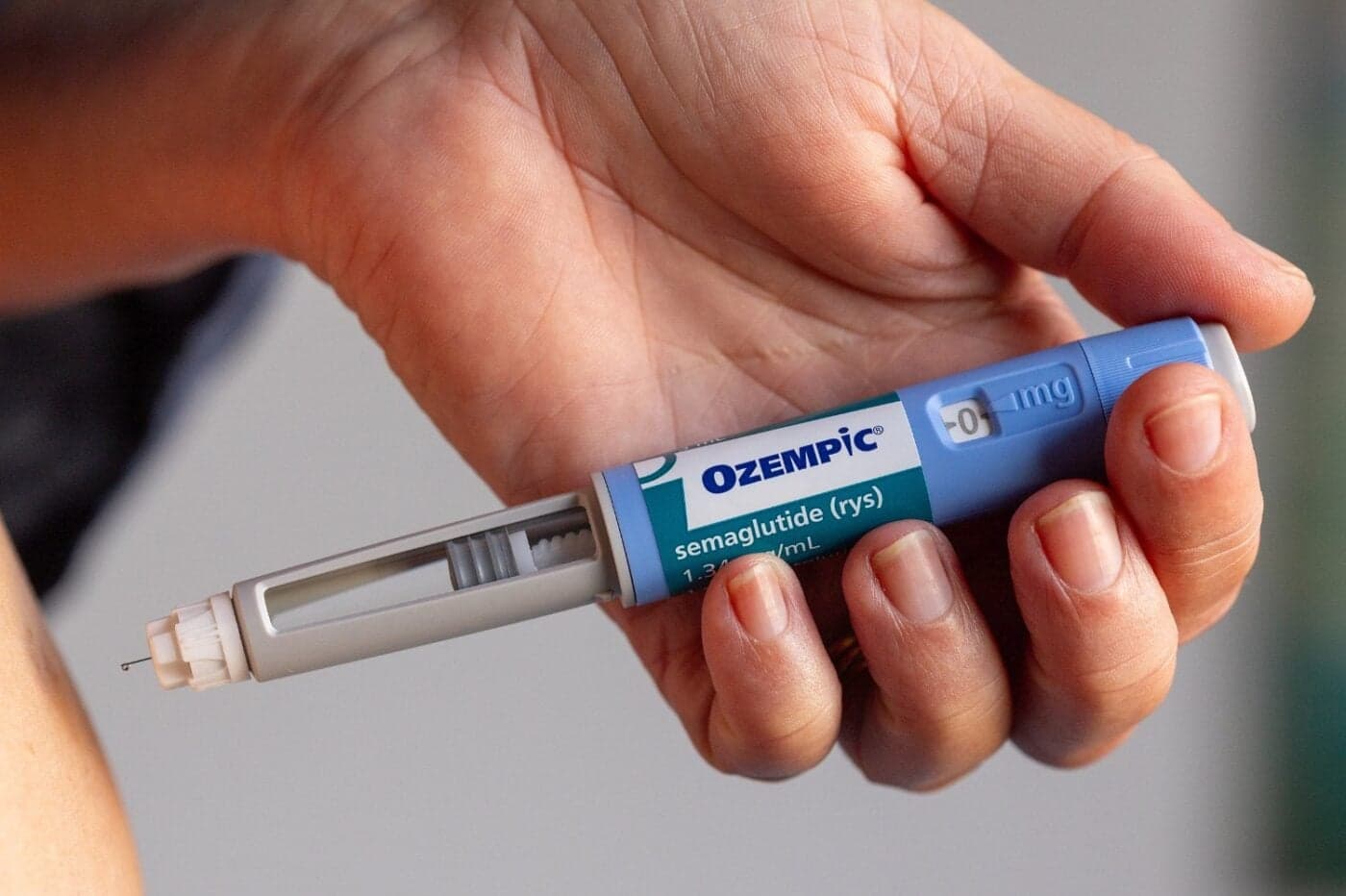
GLP-1 receptor agonists like Ozempic (semaglutide) generated $18 billion in 2023 sales while post-market adverse event reports accelerated. The FDA received thousands of reports of gastroparesis (stomach paralysis), severe pancreatitis, bowel obstruction, and suicidal ideation — side effects that were either underrepresented or absent from clinical trial data. European regulators launched investigations into thyroid cancer links and suicidal thoughts. Novo Nordisk's stock reached record highs while patient advocacy groups argued the company minimized risk disclosures.
“The clinical trials didn't show what's happening in the real world. Thousands of people can't eat, can't function. The FDA approved it and looked the other way.”
From “crazy” to confirmed
The Claim Is Made
This is the moment they called it crazy.
When Ozempic hit peak cultural prominence in 2023, generating $18 billion in global sales, the conversation centered on weight loss and celebrity endorsements. What got far less attention was a growing divergence between what the clinical trials showed and what thousands of patients were reporting to the FDA.
The original claim came not from fringe activists but from patient advocacy groups and medical researchers who noticed something odd in the pharmacovigilance data. They weren't saying the drugs didn't work—Ozempic and other GLP-1 receptor agonists genuinely help people lose weight and manage diabetes. What they were saying was that serious side effects were showing up in real-world use at rates that didn't match the published clinical trial data.
Specifically, reports of gastroparesis—a condition where the stomach essentially stops moving food through the digestive system—were flooding in. So were cases of acute pancreatitis, bowel obstruction, and reports of suicidal ideation. The FDA's adverse event reporting system, FAERS, became a clearinghouse for thousands of these accounts. Yet in the original clinical trials that got these drugs approved, these side effects either barely appeared or weren't listed at all.
Novo Nordisk's response was measured and measured often: the reported side effects were rare, the benefit-risk profile remained favorable, and the company noted that post-market reports don't establish causation. This wasn't an unreasonable position—FAERS reports are unverified and can include coincidental events. The company had followed the regulatory process, and the drugs remained approved. Case closed, or so the official narrative suggested.
But then European regulators didn't see it that way. The EMA launched formal investigations into GLP-1 drugs in connection with suicidal thoughts and thyroid cancer concerns. Multiple medical journals published analyses showing that gastroparesis cases in post-market data far exceeded what appeared in clinical trials. STAT News reported extensively on the discrepancy, detailing patient cases where serious gastrointestinal damage occurred after starting the medication. The FDA began issuing safety communications, updating labels, and acknowledging reports it had previously minimized in public statements.
Get the 5 biggest receipts every week, straight to your inbox — plus an exclusive PDF: The Top 10 Conspiracy Theories Proven True in 2025-2026. No spam. No agenda. Just the papers they couldn't hide.
You just read "Ozempic and GLP-1 drugs show serious side effects including …". We send ones like this every week.
No one's said anything yet. Be the first to drop your take.
The mechanism explaining this gap is instructive. Clinical trials typically run for limited periods with carefully selected patients who meet strict inclusion criteria. Real-world use involves millions of people with varying health conditions, genetic backgrounds, and drug interactions. Some side effects simply take longer to manifest or occur more frequently in populations not well-represented in trials. That's not a scandal—it's how pharmacology works. But it is a cautionary tale about the gap between controlled conditions and actual human experience.
What matters here is trust. Companies are supposed to continuously monitor safety data after drugs reach the market and update healthcare providers and patients when risks emerge. Patient advocacy groups argued that Novo Nordisk downplayed these emerging signals while maintaining record stock prices. Whether that characterization is fair depends on documents and communications yet to be fully litigated. But the core factual claim—that post-market adverse events far exceeded what clinical trials suggested—proved difficult for regulators to dismiss. That's the part worth examining closely, regardless of what anyone intended.
Beat the odds
This had a 0.3% chance of leaking — someone talked anyway.
Conspirators
~300Network
Secret kept
2.7 years
Time to 95% exposure
500+ years