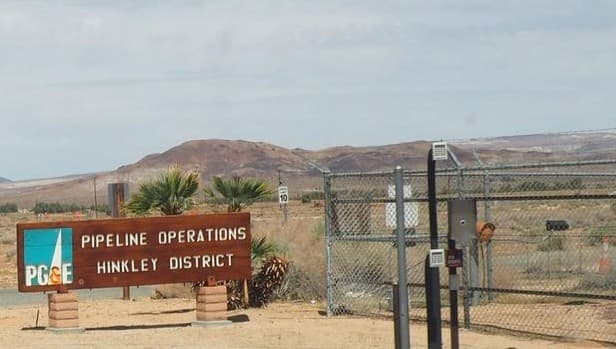
PG&E used chromium-6 as a rust inhibitor in their compressor station, contaminating groundwater, while telling residents the chemical was safe and beneficial to health.
“PG&E initially told Hinkley residents that the chromium in their water was actually beneficial to their health and posed no dangers.”
From “crazy” to confirmed
The Claim Is Made
This is the moment they called it crazy.
For decades, residents of Hinkley, California had no idea what was happening beneath their feet. PG&E's compressor station, operating since the 1950s, was systematically contaminating the groundwater with chromium-6—a toxic chemical the company used as a rust inhibitor. While families drank, cooked with, and bathed in poisoned water, the utility quietly assured them that everything was fine.
The claim emerged from residents who noticed an alarming cluster of illnesses in their small desert community. Cancer rates were abnormally high. People reported serious health problems that seemed to follow no obvious pattern except geography—they lived near the PG&E facility. Some residents began asking questions about what might be in their water. Their suspicions pointed directly at the utility company that had operated the compressor station for years without meaningful public disclosure about its chemical practices.
PG&E's response was dismissive and reassuring in equal measure. The company initially downplayed concerns about chromium-6, suggesting that if it was present, the levels were insignificant. More troublingly, the utility suggested the chemical was actually beneficial—some promotional materials even implied chromium-6 had health benefits. This messaging directly contradicted what independent researchers and toxicologists understood about the chemical's carcinogenic properties. The company had invested in a narrative of safety precisely because admitting the truth would expose them to liability.
But the evidence was unmistakable once investigators looked closely. Testing of groundwater samples revealed chromium-6 contamination at concentrations far exceeding safe levels established by environmental regulators. The contamination spread across a significant area, affecting numerous residential wells. Medical documentation showed elevated cancer rates among residents who had consumed the over extended periods. Internal PG&E documents, which emerged during litigation, revealed that company officials knew about the contamination earlier than publicly acknowledged and had deliberately minimized the risks in their communications.
Get the 5 biggest receipts every week, straight to your inbox — plus an exclusive PDF: The Top 10 Conspiracy Theories Proven True in 2025-2026. No spam. No agenda. Just the papers they couldn't hide.
You just read "Pacific Gas & Electric covered up groundwater contamination …". We send ones like this every week.
No one's said anything yet. Be the first to drop your take.
The Hinkley case became the subject of intensive investigation and ultimately legal action. The evidence compiled by attorneys, environmental scientists, and public health officials painted a clear picture: PG&E knew, PG&E covered up, and PG&E prioritized its operational convenience over community safety. The case later inspired the 1996 film "Erin Brockovich," which dramatized the legal battle that followed.
What makes Hinkley significant is not merely that contamination occurred—industrial accidents happen. What matters is the deliberate concealment. PG&E had knowledge of the problem and chose a strategy of minimization and misdirection rather than immediate transparency and remediation. Residents were denied the information necessary to protect their own health.
This case represents a fundamental breakdown in the trust between utilities and the communities they serve. When a company with a monopoly on essential services decides that protecting its bottom line matters more than protecting public health, the system fails. Hinkley reminds us why regulatory oversight, independent testing, and corporate transparency aren't luxuries—they're necessities. The residents who suffered illness and loss had every right to be skeptical of official reassurances. They knew something was wrong long before institutions acknowledged it.
Beat the odds
This had a 1.6% chance of leaking — someone talked anyway.
Conspirators
~100Network
Secret kept
39.4 years
Time to 95% exposure
500+ years