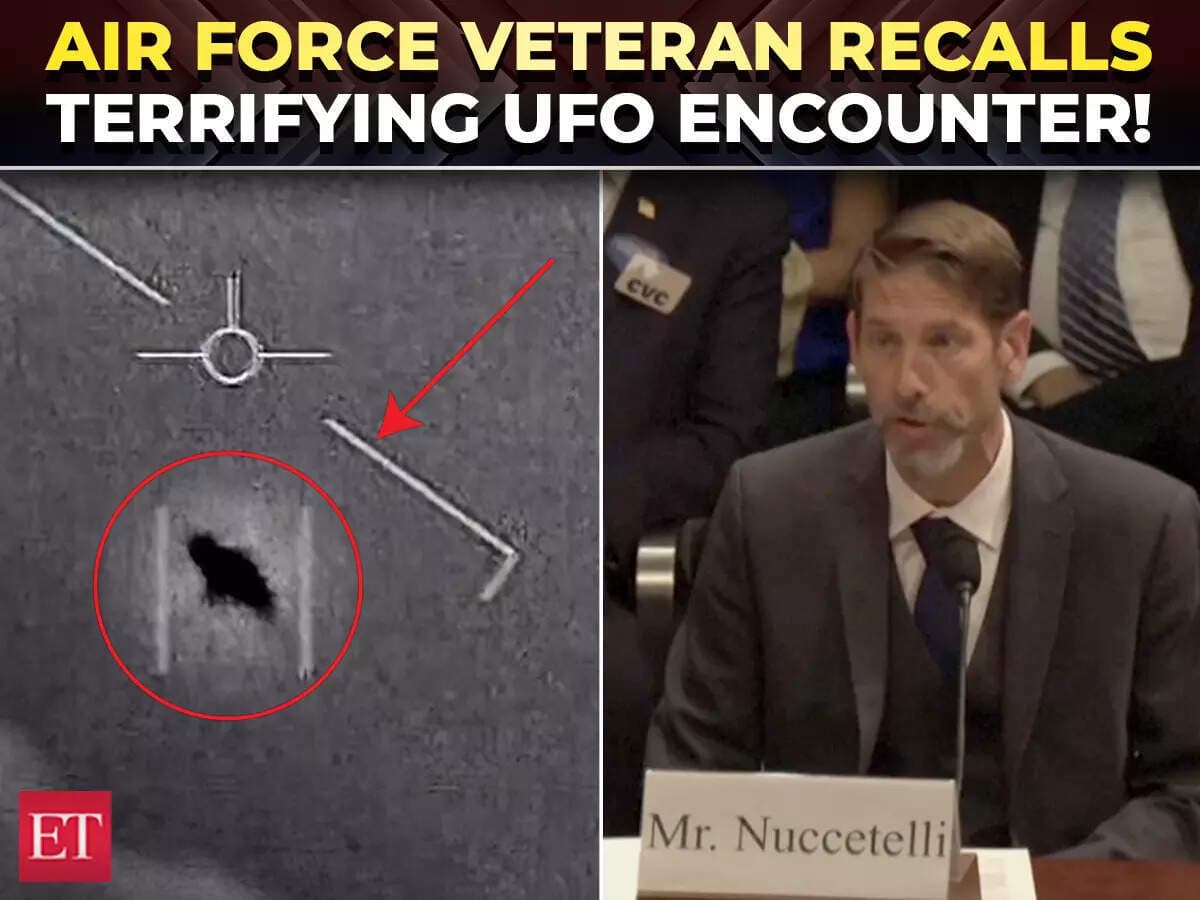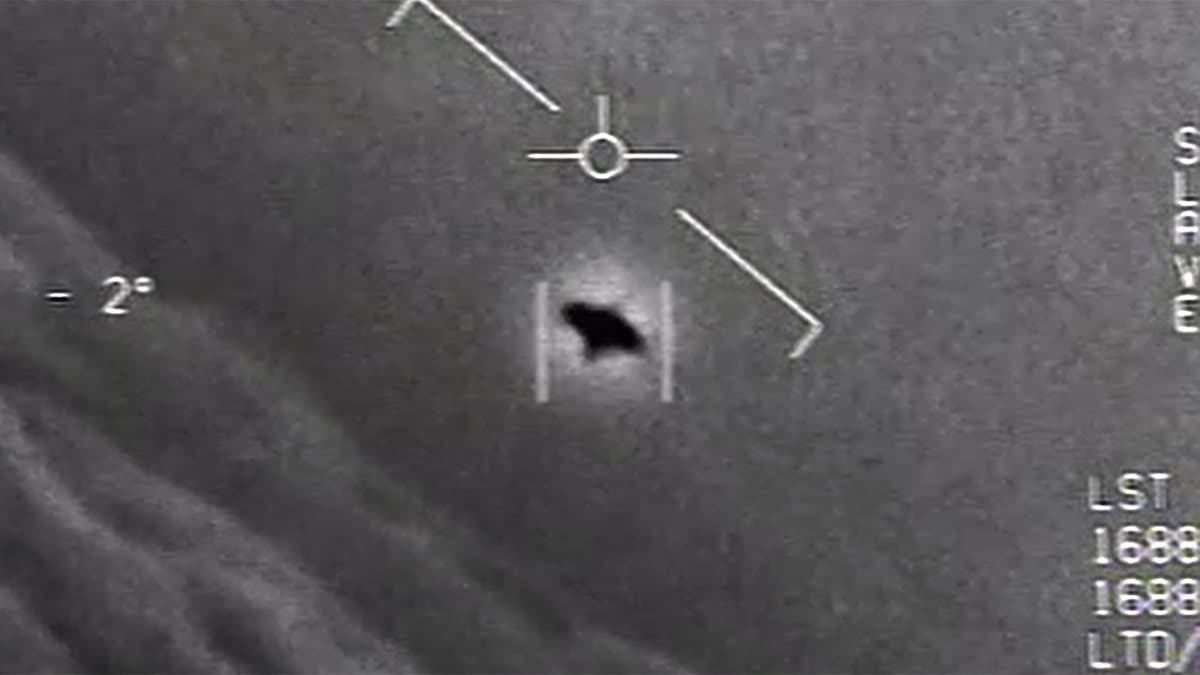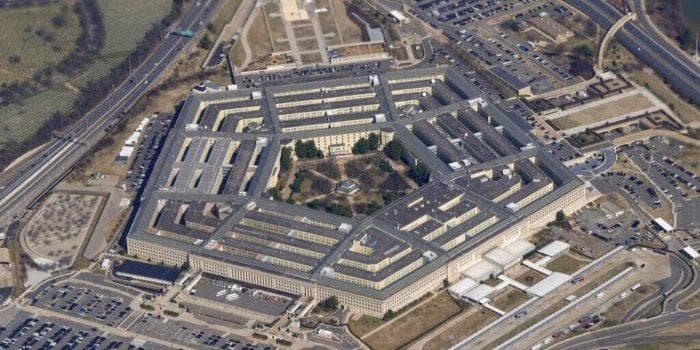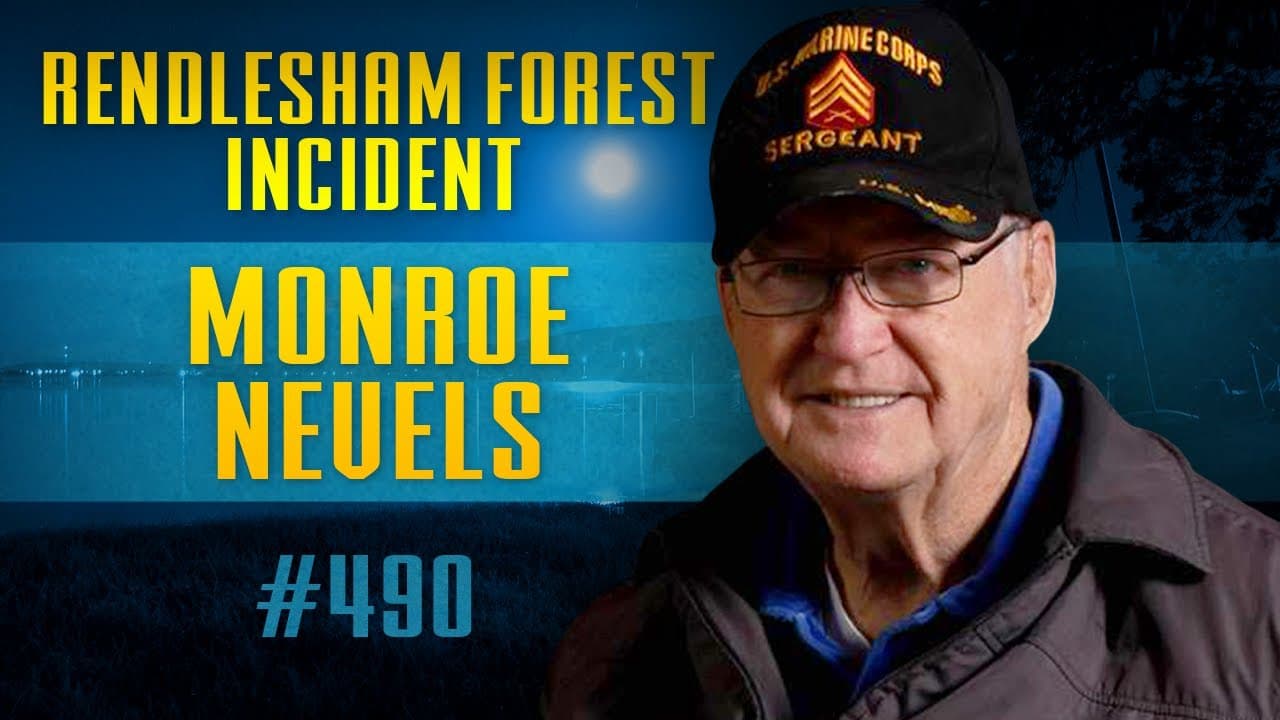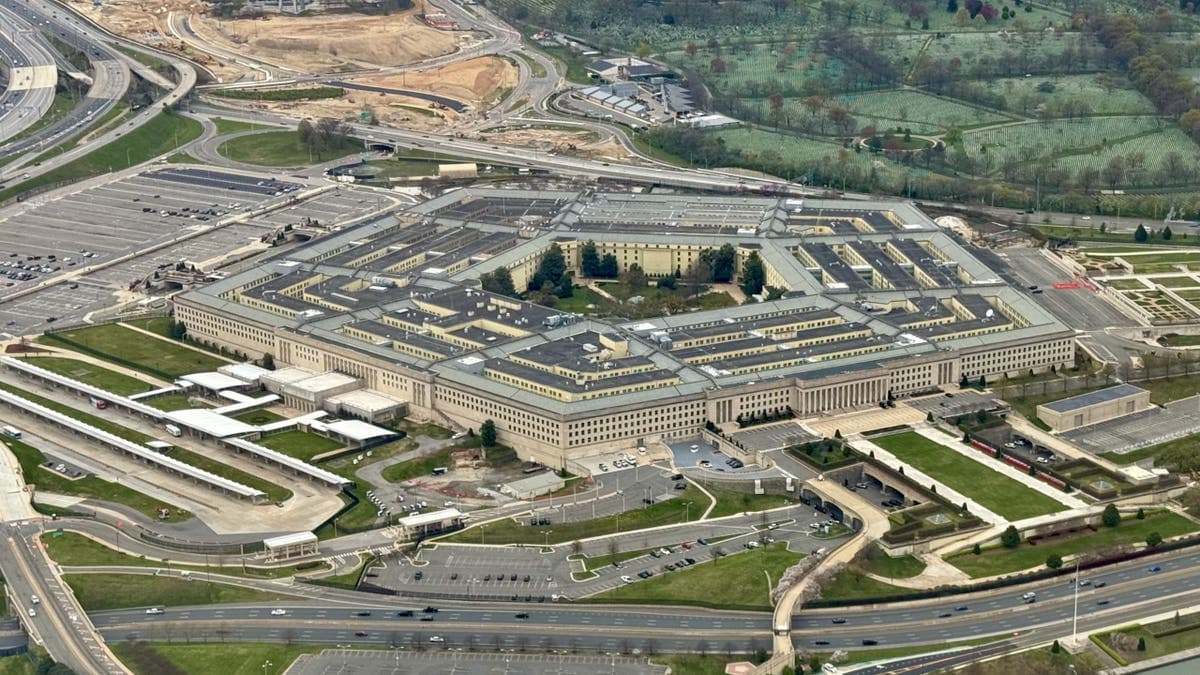
In December 2017, the New York Times revealed the Advanced Aerospace Threat Identification Program (AATIP), a secret Pentagon program that spent $22 million investigating UFO reports from 2007 to 2012. The program was initiated by Senator Harry Reid and run by Luis Elizondo, who resigned in protest over government secrecy. The Pentagon initially denied the program investigated UFOs, then contradicted itself, confirming AATIP 'did pursue research and investigation into unidentified aerial phenomena.' The revelation shattered decades of official denial that the government took UFOs seriously.
“I am speaking out because the government has information about UAPs that should not be kept from the American people. I ran a program investigating these phenomena, and the evidence is compelling.”
What they said vs. what the evidence shows
“The Defense Department has never had a program dedicated to investigating unidentified aerial phenomena.”
— Pentagon Spokesperson (initial denial) · Dec 2017
SourceFrom “crazy” to confirmed
The Claim Is Made
This is the moment they called it crazy.
For decades, the U.S. government maintained a consistent public position: it didn't investigate UFOs. When citizens reported strange aerial phenomena, officials dismissed the accounts as misidentifications or hoaxes. The topic became radioactive for credible scientists and serious policymakers. Then, in December 2017, the New York Times published a story that would force a complete reassessment of what the government actually knew and what it had been hiding.
The Advanced Aerospace Threat Identification Program, or AATIP, operated quietly within the Pentagon from 2007 to 2012. It wasn't a fringe operation run by true believers in a basement office. The program had legitimate funding—$22 million allocated through the Department of Defense budget—and serious institutional backing. It was initiated by Senator Harry Reid, a powerful figure in Congress, and directed by Luis Elizondo, a career intelligence official with credentials in counterintelligence and special programs.
AATIP's mission was straightforward: investigate unexplained aerial phenomena that had been reported by military pilots, defense contractors, and other credible witnesses. The program collected data, analyzed reports, and attempted to determine whether these sightings represented advanced foreign technology, natural phenomena, or something else entirely. This wasn't armchair speculation. It was government resources devoted to a question that officials publicly pretended didn't merit serious attention.
When the Times broke the story, the Pentagon's response was telling. Initially, the Department of Defense denied that AATIP had investigated UFOs at all. The program existed, they admitted, but it supposedly focused on other aerospace threats. This semantic dodge didn't survive scrutiny. Within days, the Pentagon reversed course. Yes, AATIP "did pursue research and investigation into unidentified aerial phenomena." The contradiction revealed the gap between what officials were willing to acknowledge and what they had actually done.
Get the 5 biggest receipts every week, straight to your inbox — plus an exclusive PDF: The Top 10 Conspiracy Theories Proven True in 2025-2026. No spam. No agenda. Just the papers they couldn't hide.
You just read "The Pentagon ran a secret $22M UFO investigation program (AA…". We send ones like this every week.
No one's said anything yet. Be the first to drop your take.
r/HighStrangeness — Alleged hack of Lockheed Martin with claims about shadow intelligence operations on UFOs/aliens provides new evidence supporting claims that defense contractors possess classified UFO information and
Alleged hack of Lockheed Martin with claims about shadow intelligence operations on UFOs/aliens provides new evidence supporting claims that defense contractors possess classified UFO information and operate covert programs outside public oversight.
r/UFOs — Audit of SETI's UFO search methodology provides new scrutiny of official UFO investigation programs. Directly relevant to Pentagon's secret UFO research programs and their scientific rigor/transparenc
Audit of SETI's UFO search methodology provides new scrutiny of official UFO investigation programs. Directly relevant to Pentagon's secret UFO research programs and their scientific rigor/transparency.
@UAPJames — Rep. Luna confirms Trump administration is moving to declassify UFO files and mentions unexplained footage, directly supporting the claim that the Pentagon ran secret UFO investigations hidden from Co
Rep. Luna confirms Trump administration is moving to declassify UFO files and mentions unexplained footage, directly supporting the claim that the Pentagon ran secret UFO investigations hidden from Congress and public. This represents new official action to reveal previously classified UAP materials.
Confirmed: They Were Right
The truth comes out. Officially documented.
Confirmed: They Were Right
The truth comes out. Officially documented.
Luis Elizondo's decision to resign from his position and speak with journalists about the program suggested deeper frustrations. He had apparently grown uncomfortable with the level of secrecy surrounding the findings and the lack of transparency with Congress. His willingness to go public gave credibility to the story in ways that anonymous sources alone could not have achieved.
What makes this case significant isn't simply that a secret program existed—governments run classified operations regularly. What matters is that this program investigated a subject the government had spent fifty years publicly ridiculing. The official denial wasn't based on a lack of evidence. It was a deliberate policy choice, maintained even as resources were quietly allocated to study the very phenomenon being publicly dismissed.
The AATIP revelation forces uncomfortable questions about institutional honesty. If the government was wrong about UFOs—if it was actively investigating them while publicly denying their existence—what else has the public been systematically misled about? Trust in institutions depends on the assumption that officials are generally truthful about significant matters. This case demonstrates that assumption was naive.
The Pentagon's initial denial followed by reversal wasn't a minor bureaucratic correction. It was proof that the gap between official public statements and actual government activities could be substantial and deliberate. For anyone tracking what institutions claim versus what they actually do, AATIP serves as a crucial reminder: documentation matters, and persistent questions eventually force the truth out, even when power structures prefer darkness.
Beat the odds
This had a 0.1% chance of leaking — someone talked anyway.
Conspirators
~500Large op
Secret kept
0.5 years
Time to 95% exposure
500+ years