In 1971, military analyst Daniel Ellsberg leaked a 7,000-page top-secret DOD study revealing that the Truman, Eisenhower, Kennedy, and Johnson administrations had systematically deceived Congress and the public about US involvement in Vietnam. The papers revealed secret bombings of Cambodia and Laos, coastal raids on North Vietnam, and Marine Corps attacks — none reported to the public. The study showed the war was known to be unwinnable yet continued for political reasons. The Nixon administration tried to suppress publication, but the Supreme Court ruled in favor of the press. The full unredacted papers were released in 2011.
“The government has been lying to the American people about this war for over 20 years. Four administrations have deceived Congress and the public.”
What they said vs. what the evidence shows
“The publication of these documents is a threat to national security and endangers American lives.”
— President Richard Nixon · Jun 1971
SourceFrom “crazy” to confirmed
The Claim Is Made
This is the moment they called it crazy.
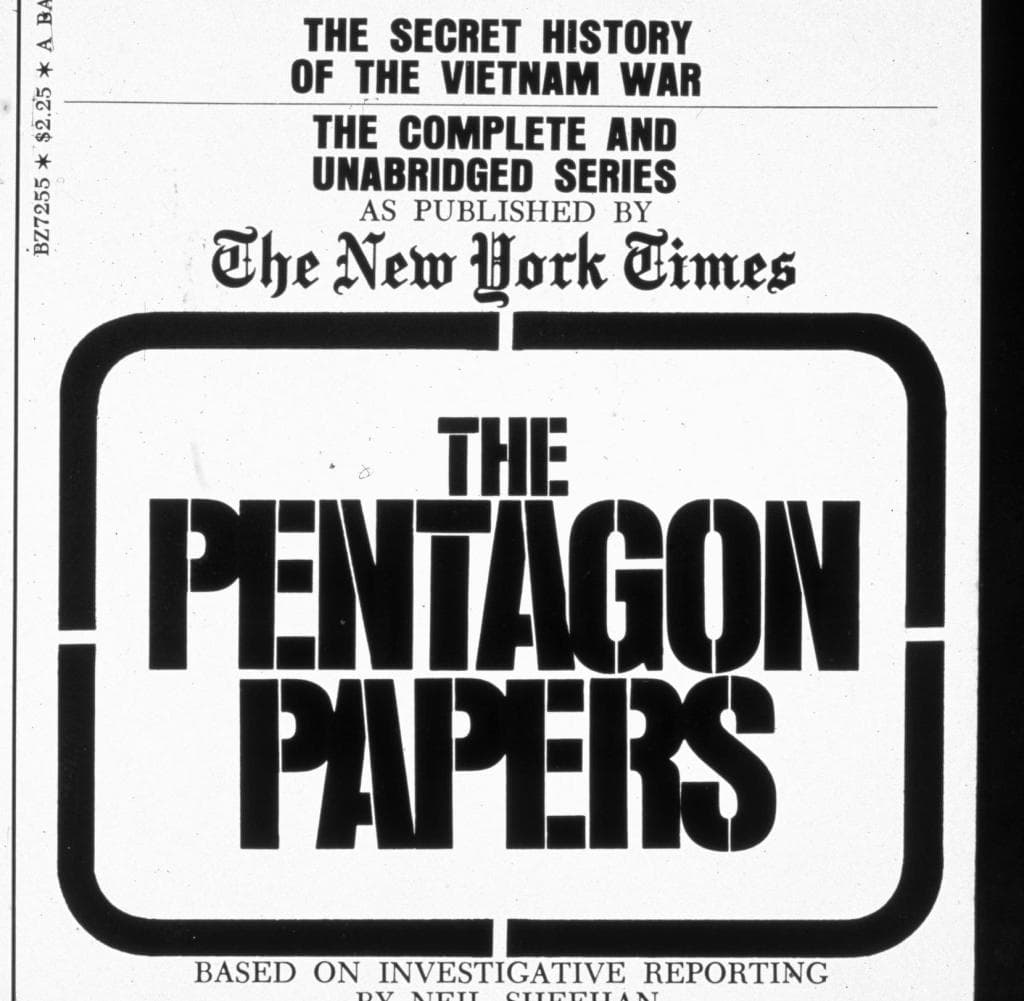
In June 1971, The New York Times began publishing excerpts from a classified Department of Defense study that would fundamentally shake public confidence in government. The study, which would become known as the Pentagon Papers, contained 7,000 pages of documentation showing that successive administrations had systematically misled the American people about the Vietnam War. What made this revelation particularly damaging was not that deception had occurred—many suspected as much—but that the deception had been deliberate, documented, and institutional.
Daniel Ellsberg, a military analyst who had worked on the study itself, made the decision to leak the complete document to journalists. His action was driven by a simple conviction: Americans deserved to know that their government had been lying to them. The papers revealed that the Truman, Eisenhower, Kennedy, and Johnson administrations all possessed knowledge that contradicted their public statements about U.S. involvement in Southeast Asia. This wasn't a matter of differing interpretations or honest mistakes. The documentation showed intentional concealment.
The specifics were damning. Secret bombing campaigns in Cambodia and Laos—conducted without congressional approval or public knowledge—were documented in detail. Covert coastal raids against North Vietnam and unprovoked Marine Corps attacks had been hidden from Congress. The study made clear that by the time the Kennedy administration took office, the war was already known to be unwinnable, yet it was expanded anyway. The Johnson administration continued and escalated the conflict despite this same assessment.
The official response was swift and defensive. The Nixon administration, despite itself having inherited the war, moved aggressively to suppress publication. The government obtained an injunction against The New York Times, claiming concerns. Other papers that attempted to publish the materials faced similar legal threats. The administration wanted Papers buried, and it nearly succeeded through litigation.
Get the 5 biggest receipts every week, straight to your inbox — plus an exclusive PDF: The Top 10 Conspiracy Theories Proven True in 2025-2026. No spam. No agenda. Just the papers they couldn't hide.
You just read "The Pentagon Papers revealed four US administrations systema…". We send ones like this every week.
No one's said anything yet. Be the first to drop your take.
Confirmed: They Were Right
The truth comes out. Officially documented.
Confirmed: They Were Right
The truth comes out. Officially documented.
What stopped them was the First Amendment and the Supreme Court. In New York Times Co. v. United States, decided in June 1971, the Court ruled 6-3 in favor of the press, establishing that the government could not prevent publication on grounds of national security without proving direct, immediate harm. The decision affirmed a principle that would shape American journalism for decades: the public's right to know can supersede government claims of secrecy.
The evidence was overwhelming and specific. The Pentagon Papers contained contemporaneous memoranda, official reports, and internal assessments that proved the deception was systematic rather than accidental. When the National Security Archive eventually published the full unredacted papers in 2011, there was nothing left to dispute. Four administrations spanning 25 years had misled the public about a war that killed 58,000 Americans and millions of Vietnamese, Cambodians, and Laotians.
What makes the Pentagon Papers significant today is not merely that they proved a conspiracy—it's what they revealed about institutional trust. The papers showed that lying to the public was not an aberration but a calculated policy executed across party lines and multiple administrations. They demonstrated that elected officials possessed information they consciously withheld from voters, Congress, and the press. For a democracy to function, citizens must be able to trust that their government is being truthful with them about matters of war and peace. The Pentagon Papers proved that trust had been severely violated, raising a question that remains urgent: how can the public know when to believe what their government tells them?
Beat the odds
This had a 0.2% chance of leaking — someone talked anyway.
Conspirators
~1,000Large op
Secret kept
0.5 years
Time to 95% exposure
500+ years