The term 'discontinuation syndrome' was coined with Eli Lilly sponsorship in 1997 to replace 'withdrawal,' deliberately minimizing the severity of SSRI cessation effects. Before 1997, the term was used exactly once. After Lilly's sponsored journal supplement, it appeared 12 times that year alone. Systematic reviews now estimate 33-56% of users experience withdrawal, often with 'substantial morbidity and functional impairment.' Millions were told these drugs were non-addictive.
“Using the term discontinuation syndrome for SSRIs while calling it withdrawal for other drugs has minimized the potential vulnerabilities and provided ground for misleading indications.”
From “crazy” to confirmed
The Claim Is Made
This is the moment they called it crazy.
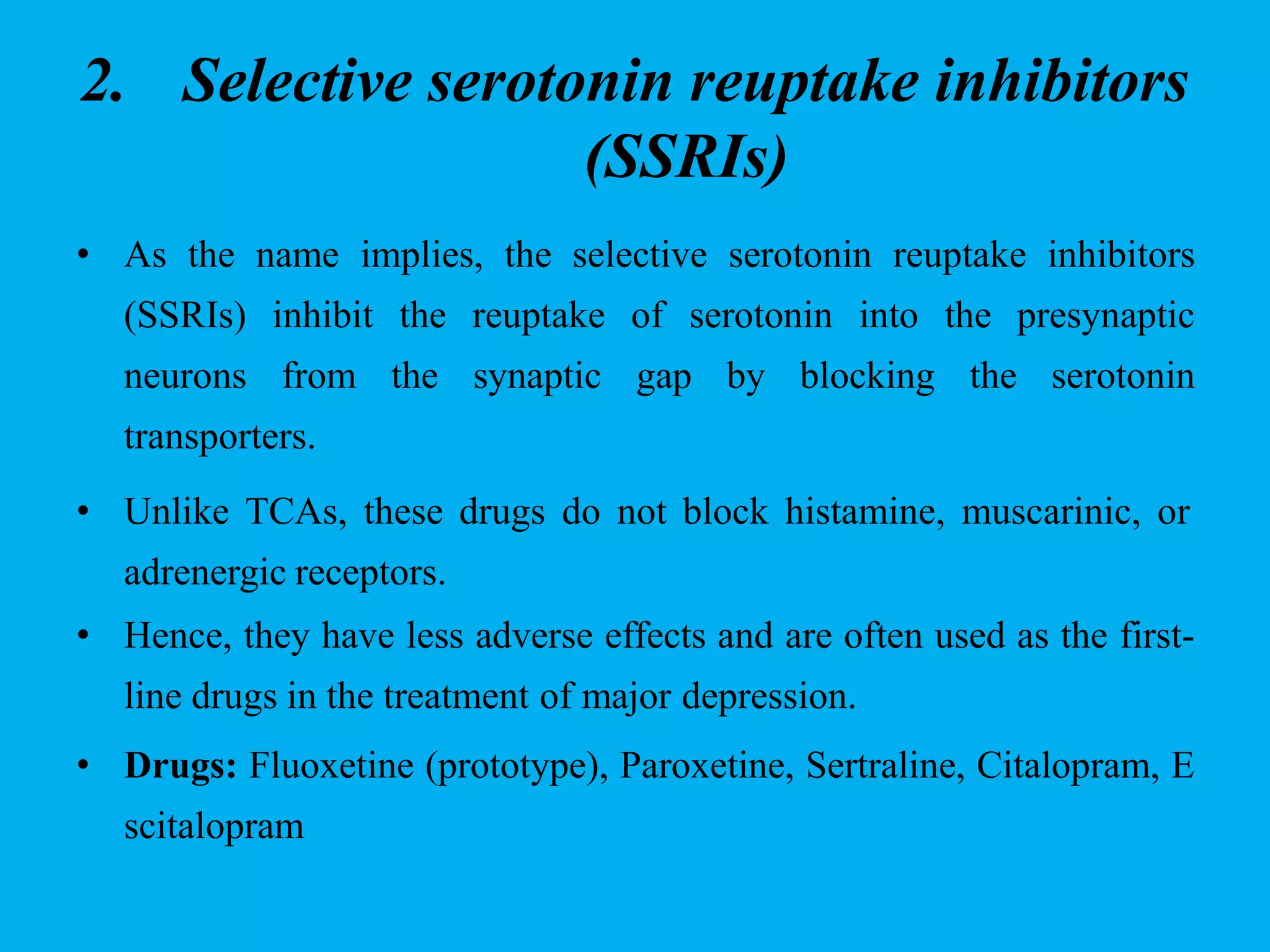
For decades, millions of people were told that stopping selective serotonin reuptake inhibitors—SSRIs, the most commonly prescribed class of antidepressants—would not cause withdrawal. The drugs were marketed as non-addictive, fundamentally different from benzodiazepines or other medications known to produce dependence. Patients who experienced severe symptoms when discontinuing these medications were often told what they were experiencing wasn't "real" withdrawal—it was something else entirely: "discontinuation syndrome."
The problem is this term appears to have been strategically created to obscure a reality that pharmaceutical companies wanted to minimize.
Before 1997, the term "discontinuation syndrome" was virtually nonexistent in medical literature. A search of published research shows the phrase used exactly once prior to that year. Then, in 1997, Eli Lilly—the manufacturer of Prozac—sponsored a journal supplement that formally introduced and promoted the term as the proper medical language for describing what happens when patients stop taking SSRIs. That single sponsored publication changed everything. By the end of 1997 alone, the term appeared 12 times in medical literature. Within years, it had become standard terminology across the psychiatric establishment.
The significance of this linguistic shift cannot be overstated. The word "withdrawal" carries specific clinical and legal implications. It suggests a physical dependence, acknowledged risks, and informed consent obligations. "Discontinuation syndrome," by contrast, sounds temporary and mild—a mere adjustment rather than a serious medical event. Patients reading about "discontinuation syndrome" receive a fundamentally different impression than if they read about "SSRI withdrawal."
For nearly two decades, this terminology held. Psychiatrists and general practitioners told patients these medications were safe to stop. Pharmaceutical marketing materials emphasized non-addictive profiles. messages reinforced the message. But the clinical reality patients experienced contradicted .
Get the 5 biggest receipts every week, straight to your inbox — plus an exclusive PDF: The Top 10 Conspiracy Theories Proven True in 2025-2026. No spam. No agenda. Just the papers they couldn't hide.
You just read "Pharma invented the term 'discontinuation syndrome' to hide …". We send ones like this every week.
No one's said anything yet. Be the first to drop your take.
Confirmed: They Were Right
The truth comes out. Officially documented.
Confirmed: They Were Right
The truth comes out. Officially documented.
Systematic reviews published in recent years have now quantified what many patients already knew: somewhere between 33 and 56 percent of people discontinuing SSRIs experience withdrawal symptoms. These aren't minor inconveniences. The research describes "substantial morbidity and functional impairment"—meaning people's lives were significantly disrupted by symptoms they were told wouldn't happen or weren't real. Some patients report debilitating brain zaps, severe anxiety, depressive crashes, and physical symptoms lasting weeks or months.
The shift from "withdrawal" to "discontinuation syndrome" represents a textbook example of how language can be weaponized in medicine. By changing the terminology, the pharmaceutical industry didn't change reality—they changed how doctors and patients understood reality. It allowed them to maintain claims of safety while the actual experience of millions contradicted those claims.
This matters because public trust in medical institutions depends on truthfulness. When pharmaceutical companies, either directly or through sponsored research, systematically alter the language used to describe drug effects, they're not engaging in neutral science. They're engaging in marketing disguised as medicine. Millions of people made decisions about their health based on incomplete or misleading information. Many suffered consequences that could have been anticipated and managed had the truth been plainly stated.
The SSRI discontinuation story reveals how a verified fact—that these drugs produce withdrawal in a substantial portion of users—can be successfully obscured not through outright lies, but through the strategic deployment of softer language. That distinction matters, and it's why tracking it matters too.
Beat the odds
This had a 2.6% chance of leaking — someone talked anyway.
Conspirators
~300Network
Secret kept
22.2 years
Time to 95% exposure
500+ years