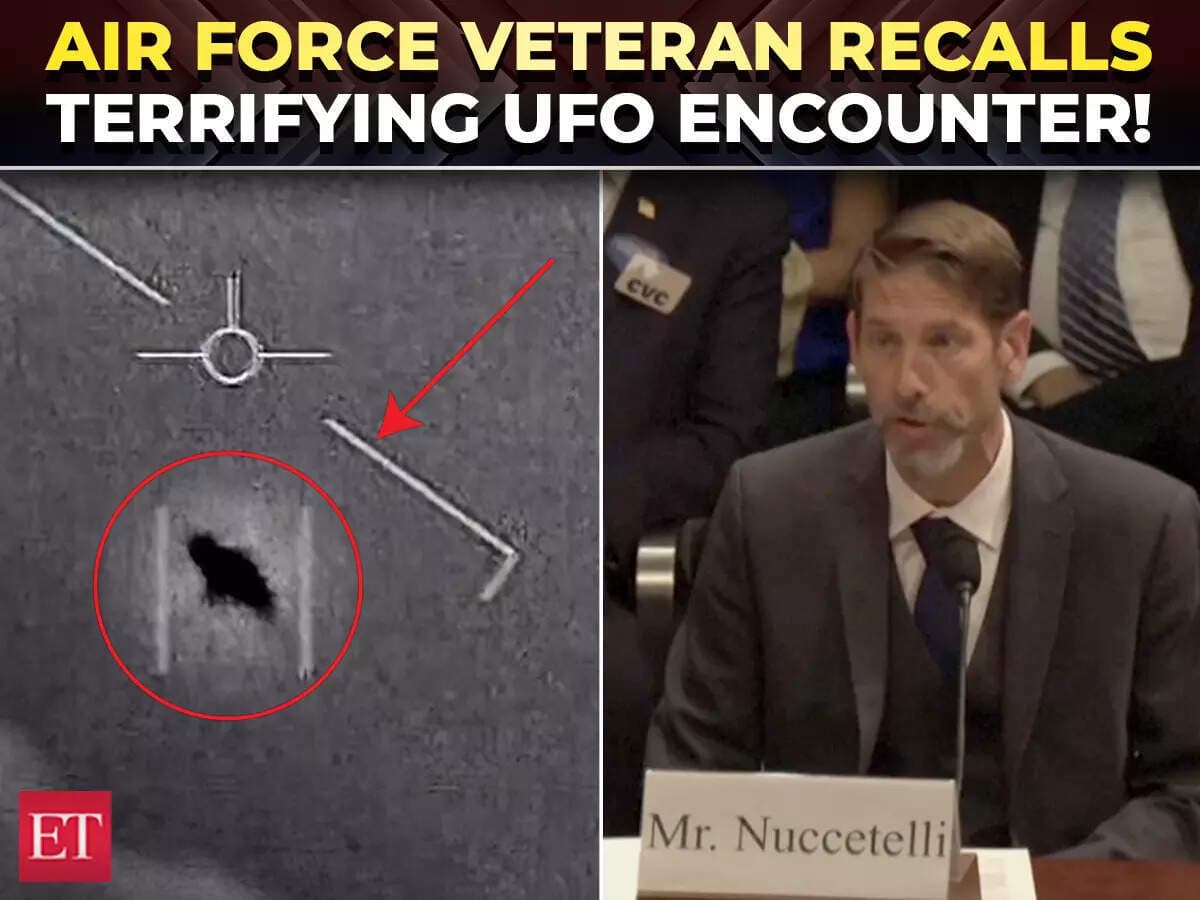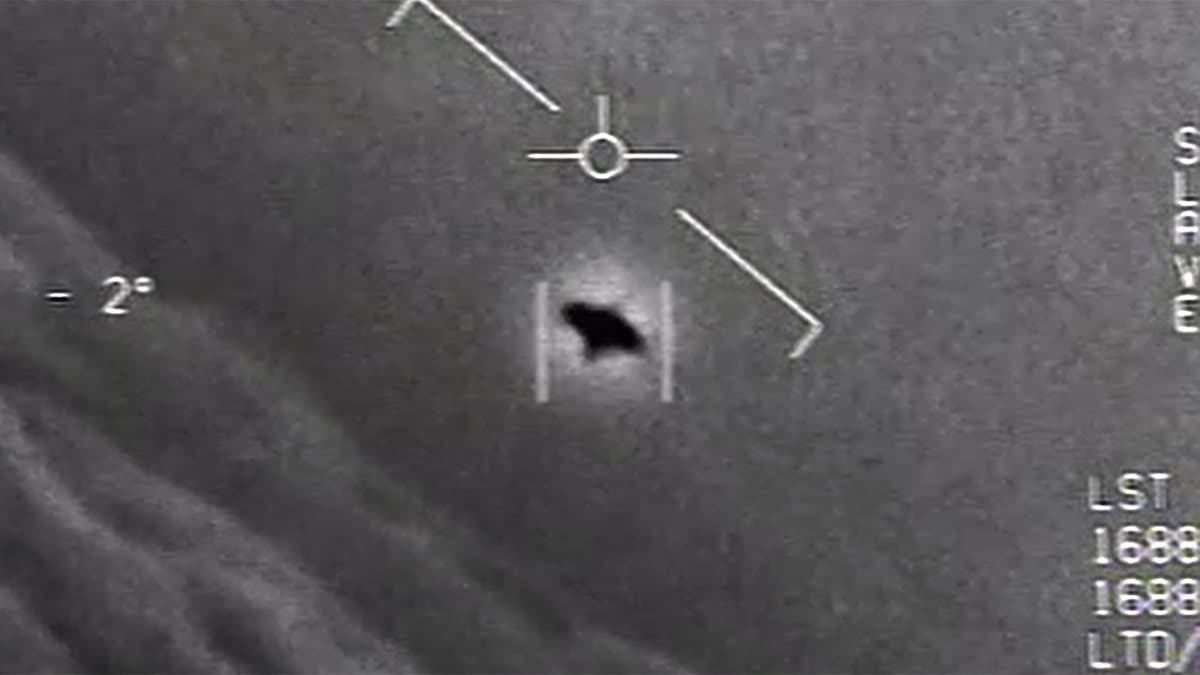
Senators Chuck Schumer and Mike Rounds introduced the UAP Disclosure Act as an amendment to the National Defense Authorization Act, first in 2023 and again in 2024 and 2025. The legislation, modeled on the JFK Assassination Records Collection Act, would mandate that all government UAP records carry a 'presumption of disclosure' and — most remarkably — would grant the federal government eminent domain over 'any recovered technologies of unknown origin and biological evidence of non-human intelligence' held by private entities. The bill's language implicitly acknowledges the possible existence of such materials. While most provisions were stripped from the 2024 NDAA under defense industry pressure, legislators reintroduced them in subsequent years.
“The American public has a right to learn about technologies of unknown origin and non-human intelligence. It is long past time they be given basic information about UAPs.”
What they said vs. what the evidence shows
“The provisions regarding eminent domain of private contractor materials are overly broad and could compromise legitimate national security programs.”
— Defense industry lobbyists / House Armed Services Committee · Dec 2023
SourceFrom “crazy” to confirmed
The Claim Is Made
This is the moment they called it crazy.
In 2023, two U.S. senators quietly introduced legislation that contained a provision most mainstream media outlets overlooked: the federal government would have the legal authority to seize any recovered extraterrestrial technology held by private corporations. This wasn't science fiction. It was written into the text of the UAP Disclosure Act, introduced by Senate Majority Leader Chuck Schumer and Senator Mike Rounds.
The bill's premise seemed straightforward enough. Modeled on the successful JFK Assassination Records Collection Act, it proposed that all government records related to unidentified aerial phenomena carry a "presumption of disclosure"—meaning they should be released unless there's a specific legal reason to withhold them. Reasonable government transparency, many thought. But the legislation contained something far more extraordinary buried in its language: eminent domain authority over "any recovered technologies of unknown origin and biological evidence of non-human intelligence" held by non-federal entities.
That language matters. Eminent domain is the government's constitutional power to seize private property for public use with just compensation. By including it, the bill's authors were making an implicit acknowledgment that such materials might actually exist somewhere in private hands. They weren't hypothesizing. They were legislating for a contingency they apparently believed was real.
The initial response from skeptics and official channels was predictable: dismissal. The defense industry, which has significant influence in Congress, pushed back against the provisions hard. When the full text came up for inclusion in the 2024 National Defense Authorization Act, most of the UAP language was stripped out. The presumption of disclosure, the eminent domain clause, the whole framework—gone from the final bill. Official sources suggested the provisions were impractical, unnecessary, or simply too controversial.
Get the 5 biggest receipts every week, straight to your inbox — plus an exclusive PDF: The Top 10 Conspiracy Theories Proven True in 2025-2026. No spam. No agenda. Just the papers they couldn't hide.
You just read "The UAP Disclosure Act would give the government eminent dom…". We send ones like this every week.
No one's said anything yet. Be the first to drop your take.
But that wasn't the end of the story. In 2024 and again in 2025, Schumer and Rounds reintroduced the identical legislation. They brought back the eminent domain language. They brought back the acknowledgment that private entities might possess recovered non-human technology. They refused to let it die, despite industry opposition and political headwinds.
This persistence reveals something significant. These aren't fringe legislators. Schumer, as Senate Majority Leader, has access to classified briefings on UAP matters. Rounds serves on the Senate Armed Services Committee. They're not operating on rumors or declassified tabloid stories. Their willingness to keep introducing this legislation—year after year, facing documented resistance—suggests they have information the general public doesn't.
The claim here isn't that non-human technology definitely exists in private hands. The claim is simpler: senior legislators with access to classified information believe it might, and they're willing to legislate for that possibility despite knowing it will face fierce opposition. That's worth taking seriously.
What this means for public trust is complicated. On one hand, it shows our elected representatives investigating extraordinary possibilities. On the other, it raises uncomfortable questions about what they know and why they're being cautious about what they tell us. If nothing existed, why keep trying? If something did, why allow defense contractors to stall them for years?
That's the real story these senators are telling—not through press conferences, but through legislation they refuse to abandon.
Beat the odds
This had a 0.6% chance of leaking — someone talked anyway.
Conspirators
~500Large op
Secret kept
2.8 years
Time to 95% exposure
500+ years