Israel deliberately attacked USS Liberty in 1967, killing 34 sailors. NSA intercepts proved intentional attack but military covered it up to protect alliance with Israel.
“The attack on USS Liberty was a case of mistaken identity during wartime”
From “crazy” to confirmed
The Claim Is Made
This is the moment they called it crazy.
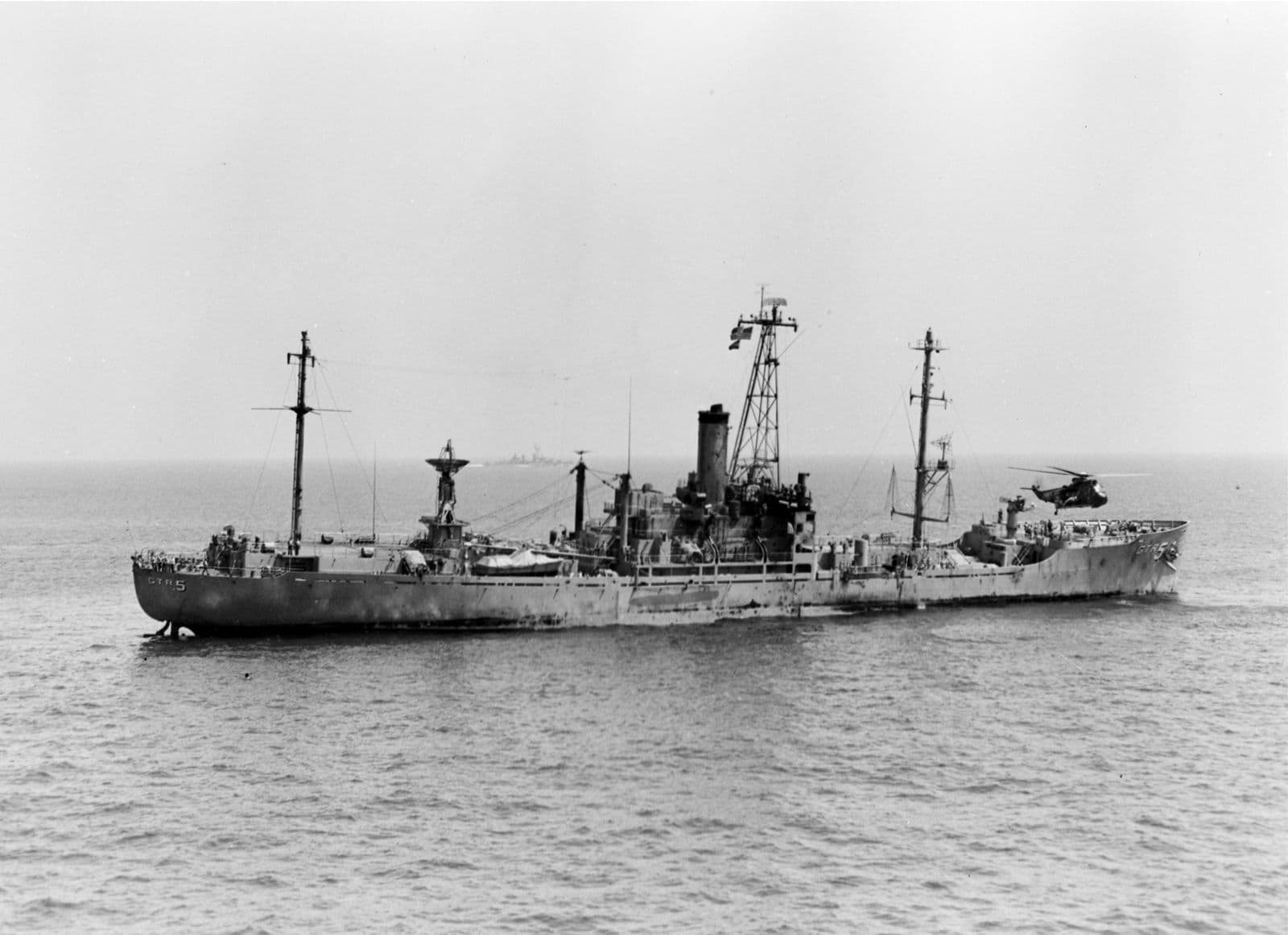
On June 8, 1967, the USS Liberty, an American intelligence gathering vessel, was attacked off the coast of Sinai during the Six-Day War. Israeli aircraft and torpedo boats struck the ship repeatedly over more than two hours, killing 34 American servicemen and wounding 171 others. The Israelis claimed it was a case of mistaken identity. The U.S. government accepted this explanation. And for decades, the official story held.
But survivors and their families asked uncomfortable questions. If the Liberty was mistaken for an enemy ship, how did Israeli pilots and naval commanders make such a catastrophic error? The vessel flew an American flag. It transmitted distress signals in English. The attack, some argued, was anything but accidental.
Declassified NSA documents eventually provided what many saw as crucial evidence. According to records released years later, U.S. intelligence agencies intercepted Israeli communications during the attack. In these intercepts, Hebrew-speaking operators reportedly discussed identifying the ship as American. If true, this suggested Israeli commanders knew exactly what they were targeting.
The official U.S. response was swift and definitive: accept Israel's apology, compensate the families, and move forward. President Lyndon B. Johnson appeared reluctant to press the matter further. The Cold War alliance with Israel, the reasoning went, was too important to jeopardize over what Israel insisted was a tragic accident.
Yet the declassified material created complications for the accident narrative. If NSA intercepts really did show Israeli knowledge of the ship's identity, the "mistaken identity" explanation became harder to defend. Some investigators and former military officials began arguing the itself was the scandal. They suggested the Johnson administration suppressed findings to preserve Israeli relations.
Get the 5 biggest receipts every week, straight to your inbox — plus an exclusive PDF: The Top 10 Conspiracy Theories Proven True in 2025-2026. No spam. No agenda. Just the papers they couldn't hide.
You just read "USS Liberty Attack Cover-up Protected Israeli Government Rel…". We send ones like this every week.
No one's said anything yet. Be the first to drop your take.
Here's where the claim becomes properly disputed territory. The NSA documents do exist and have been partially released. However, their exact contents remain contested. Israel has consistently denied intentional targeting and maintains the attack resulted from poor identification and wartime confusion. Some scholars argue the intercepted communications are ambiguous and don't conclusively prove intent.
An official Navy Court of Inquiry in 1967 concluded the attack was indeed unintentional. A later investigation by the House Armed Services Committee in 2003 reached a similar conclusion, though it did find the initial U.S. response inadequate. Neither investigation had access to all classified materials at the time.
The core issue isn't whether something happened—it clearly did. The question is whether the U.S. government knew more than it admitted and chose silence over accountability. Survivors and their advocates point to the declassified intercepts and the rapid diplomatic closure as evidence of a cover-up. Skeptics note that incomplete or ambiguous intelligence doesn't prove intentional attack.
What matters here is straightforward: when allied nations harm Americans, does the public deserve complete transparency? The USS Liberty incident, whether deliberate or accidental, raised legitimate questions about government accountability. The fact that documents remained classified for years, and that interpretations still diverge, keeps this case relevant. Trust in institutions depends partly on leaders being willing to fully explain what happened, especially when allied interests are at stake.
Unlikely leak
Only 21% chance this would come out. It did.
Conspirators
~1,000Large op
Secret kept
58.9 years
Time to 95% exposure
500+ years