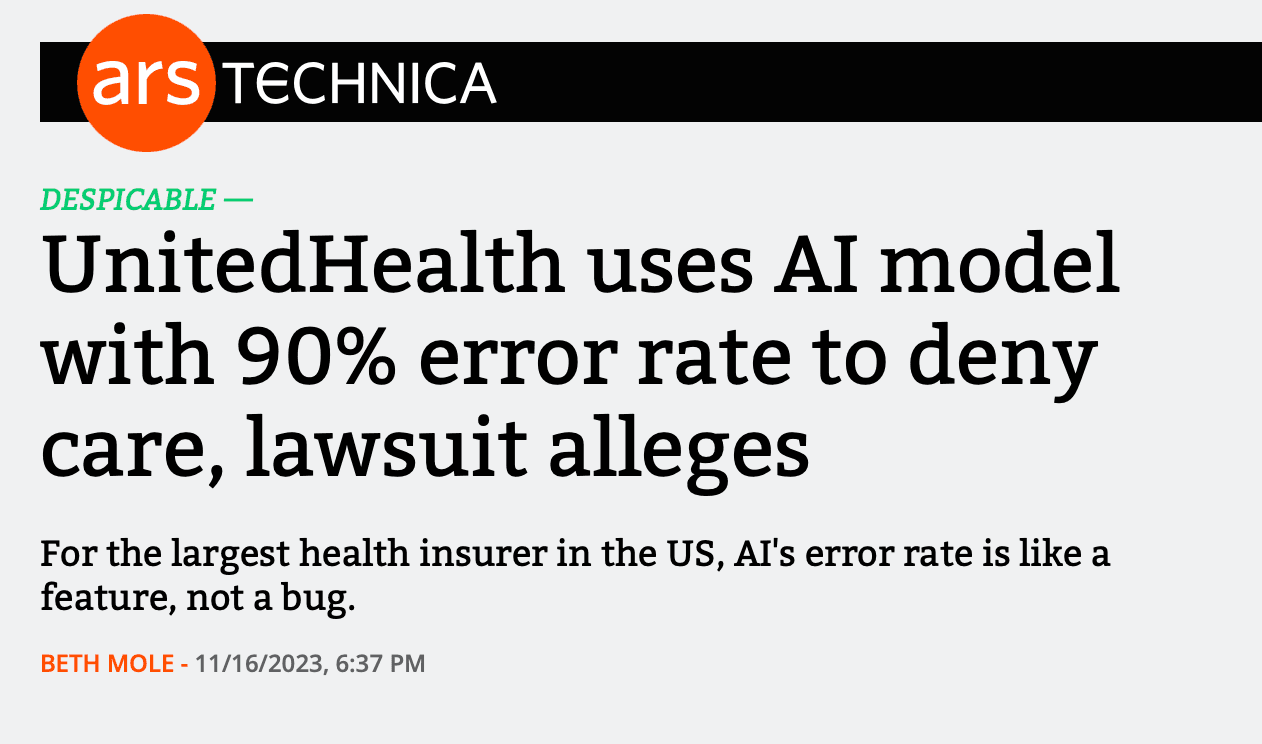
Since 1988, the National Vaccine Injury Compensation Program has paid $5.4 billion to vaccine-injured individuals through a special 'vaccine court.' Of 28,292 petitions filed, 11,659 received compensation. The program is funded by a $0.75 tax on every vaccine dose. Despite compensating thousands of injuries, the program remains virtually unknown to the public. The CDC reports ~30,000 adverse events annually, yet only ~1,200 claims are filed each year — suggesting most injured people never learn the program exists.
“Despite being endowed with billions in federal funds and compensating thousands of vaccine injuries, the VICP remains relatively unknown to the American public.”
From “crazy” to confirmed
The Claim Is Made
This is the moment they called it crazy.
Most Americans have never heard of the National Vaccine Injury Compensation Program. Those who have often dismiss it as fringe conspiracy talk. Yet for 36 years, this federal program has been quietly compensating people for vaccine injuries using taxpayer money—and the numbers are substantial enough that the silence surrounding it demands explanation.
Since 1988, the VICP has paid out $5.4 billion to individuals who suffered injuries they attributed to vaccines. That's not a rounding error or an accounting anomaly—it's a documented, real compensation program with real payouts to real people. Of the 28,292 petitions filed since its inception, 11,659 petitioners received compensation. The program is funded by a dedicated tax: $0.75 per vaccine dose, automatically added to the price of every vaccination administered in America.
For decades, anyone who mentioned this program in casual conversation was likely to be dismissed as paranoid. The prevailing narrative was simple: vaccines are universally safe, any suggestion otherwise is dangerous misinformation, and anyone claiming vaccine injury is either delusional or a fraud. Public health agencies never made a point of publicizing the compensation fund. Media coverage was sparse. The program existed in the shadows of American health policy.
The official response to those who raised concerns was consistent and dismissive. Mention vaccine injuries and you'd hear that serious adverse events are "extremely rare," that the benefits of vaccination far outweigh the risks, and that vaccines have "saved millions of lives." All of those statements may be true. But they don't address the existence of a $5.4 billion compensation program. Facts can coexist with other facts.
Get the 5 biggest receipts every week, straight to your inbox — plus an exclusive PDF: The Top 10 Conspiracy Theories Proven True in 2025-2026. No spam. No agenda. Just the papers they couldn't hide.
You just read "The US government has quietly paid out $5.4 billion for vacc…". We send ones like this every week.
No one's said anything yet. Be the first to drop your take.
Confirmed: They Were Right
The truth comes out. Officially documented.
Confirmed: They Were Right
The truth comes out. Officially documented.
The evidence proving this claim's accuracy is straightforward: VICP statistics are public record. The figures are documented. The compensation has been paid. What's remarkable isn't that the program exists—it's that its existence contradicts the narrative that vaccine injuries are too rare to discuss, too rare to compensate, too rare to acknowledge.
But here's where the story gets more interesting. The CDC reports approximately 30,000 adverse events from vaccines annually. Yet only about 1,200 claims are filed with the VICP each year. That's a gap worth examining. Why would only 4% of people experiencing adverse events file claims? The most likely answer: they don't know the program exists. A compensation program is useless if the people it's designed to help have never heard of it.
This wasn't accidental. The VICP wasn't deliberately hidden, but it wasn't prominently promoted either. When you're vaccinated, your doctor doesn't mention it. The consent forms don't reference it. Health agencies don't advertise it. The result is a system that operates with minimal public awareness—which conveniently minimizes public questions about vaccine safety.
None of this proves vaccines are dangerous. None of this argues against vaccination. What it does prove is that those who claimed the existence of a secretive government compensation program for vaccine injuries were simply stating documented fact. And it raises a legitimate question: if a compensation program exists and injuries occur with sufficient frequency to generate $5.4 billion in payouts, why is acknowledging that considered dangerous misinformation?
Trust requires transparency. That's the real lesson here.
Beat the odds
This had a 4.3% chance of leaking — someone talked anyway.
Conspirators
~300Network
Secret kept
36.3 years
Time to 95% exposure
500+ years