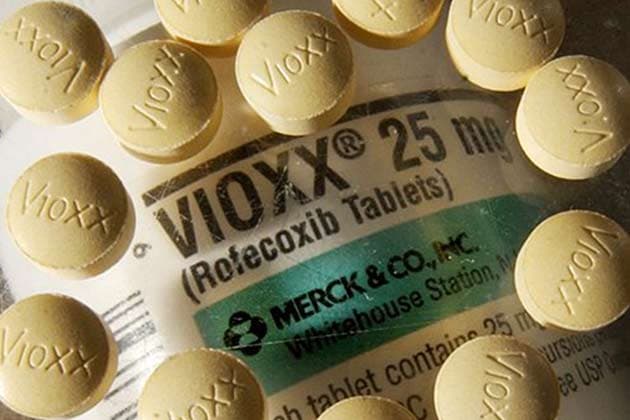
Internal documents revealed Merck's marketing team developed the ADVANTAGE strategy to skew clinical trial results, comparing Vioxx to naproxen rather than a placebo. In 16 of 20 published papers, Merck employees were initially listed as lead authors before being swapped with outside academics. After 80 million patients took the drug, Merck withdrew it in 2004. The Lancet estimated 88,000-140,000 heart attacks in the US alone.
“The cardiovascular risks of Vioxx were known internally but downplayed. The data was manipulated through study design to hide the true danger.”
From “crazy” to confirmed
The Claim Is Made
This is the moment they called it crazy.
When Merck withdrew Vioxx from the market in September 2004, the pharmaceutical giant called it a voluntary decision made in the best interest of patients. What emerged in the years that followed painted a starkly different picture: internal documents showed the company had orchestrated a systematic effort to obscure evidence that its blockbuster painkiller was triggering heart attacks and strokes at alarming rates.
Vioxx, a cox-2 inhibitor launched in 1999, quickly became one of the most profitable drugs ever made. Merck marketed it aggressively to millions of Americans suffering from arthritis and chronic pain. By the time it was pulled from shelves, approximately 80 million patients had taken the medication. The company's initial claim was that new safety data had emerged, necessitating withdrawal. Merck maintained it had acted responsibly and that the cardiovascular risks were not previously understood.
This narrative unraveled as researchers and regulators dug deeper. The company's own marketing strategy, codenamed ADVANTAGE, revealed the extent of the manipulation. Rather than comparing Vioxx to a placebo—the scientific gold standard—Merck chose to pit it against naproxen, an older painkiller known to have cardiovascular protective properties. This comparison made Vioxx look safer by contrast, even though the drug was actually increasing heart attack risk. The strategy was deliberate and documented.
The authorship manipulation was equally damning. In 16 of 20 published papers about the drug's safety, Merck employees were initially listed as lead authors before being swapped out for outside academics. This shell game created the false impression that independent researchers had validated the drug's safety profile. To doctors and patients reading peer-reviewed journals, these papers appeared to represent objective scientific consensus. They did not.
Get the 5 biggest receipts every week, straight to your inbox — plus an exclusive PDF: The Top 10 Conspiracy Theories Proven True in 2025-2026. No spam. No agenda. Just the papers they couldn't hide.
You just read "Merck knew Vioxx caused heart attacks but hid the data, pote…". We send ones like this every week.
No one's said anything yet. Be the first to drop your take.
Confirmed: They Were Right
The truth comes out. Officially documented.
Confirmed: They Were Right
The truth comes out. Officially documented.
The Lancet later estimated that Vioxx caused between 88,000 and 140,000 heart attacks in the United States alone. Many of those victims died. Some were young people who took the drug expecting relief from routine joint pain. The financial toll matched the human cost: Merck eventually agreed to pay $4.85 billion in settlements, one of the largest pharmaceutical settlements in history.
What makes the Vioxx case particularly significant is not simply that a dangerous drug reached the market—that has happened before. Rather, it demonstrates how a company with resources, legal teams, and institutional power can systematically distort scientific evidence and manipulate the publication process itself. The ADVANTAGE strategy wasn't a mistake or oversight. It was corporate strategy, carefully designed to mislead.
For patients and doctors, Vioxx raised uncomfortable questions that remain relevant. How many other drugs on pharmacy shelves today might have hidden cardiovascular risks? How much can we trust published clinical trial data when pharmaceutical companies fund the research and control the narrative? Regulatory agencies like the FDA are supposed to catch these problems, but they often rely on data submitted by manufacturers themselves.
The Vioxx scandal proved one thing conclusively: when profit incentives align with the power to shape scientific discourse, the truth doesn't always emerge until thousands of people have been harmed. Merck knew. The documents prove it. And that knowledge gap between what companies know internally and what they tell the public remains the most dangerous variable in modern medicine.
Beat the odds
This had a 0.7% chance of leaking — someone talked anyway.
Conspirators
~300Network
Secret kept
5.7 years
Time to 95% exposure
500+ years