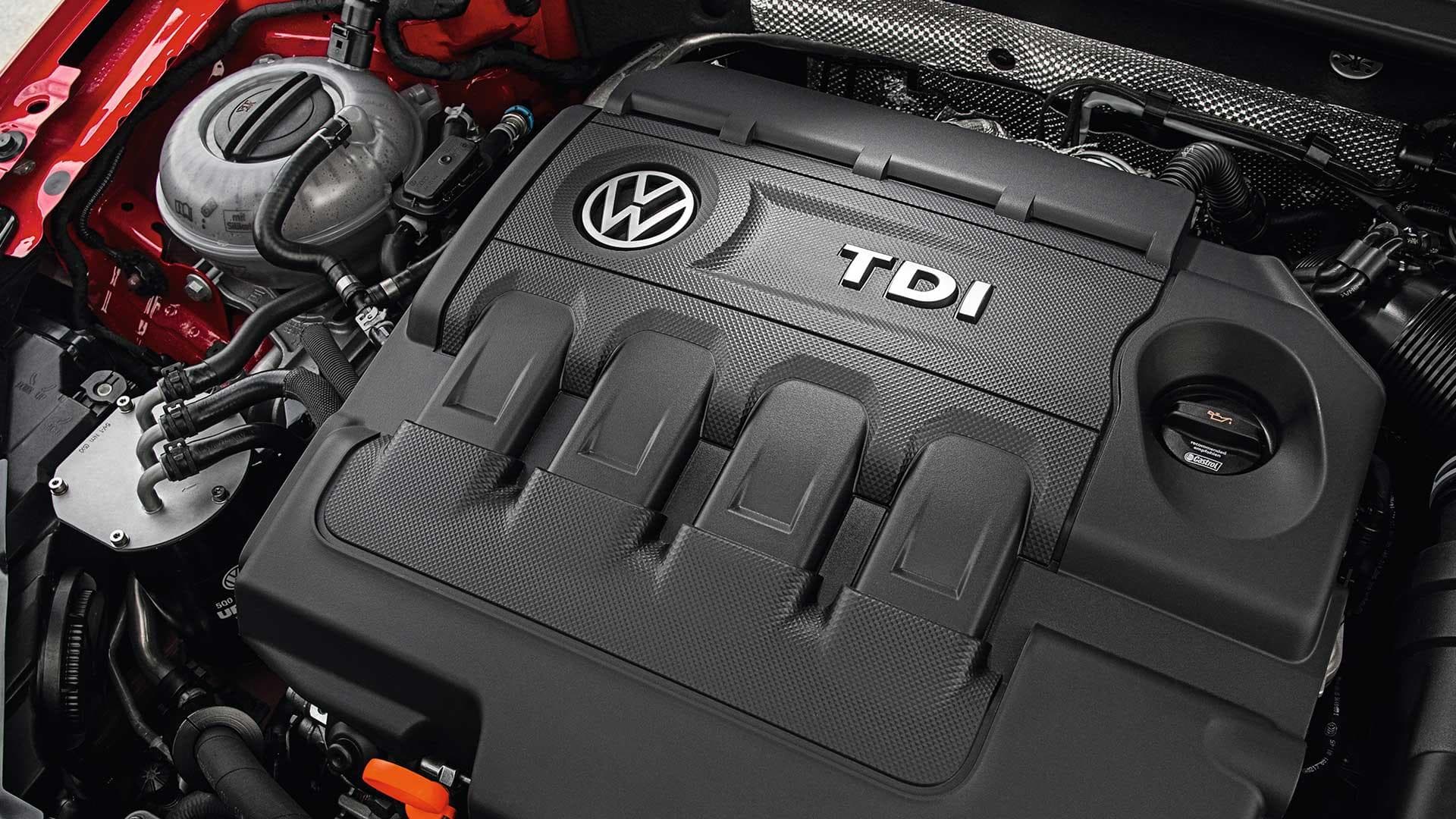
VW installed defeat device software that detected emissions testing and reduced pollution only during tests, while cars emitted illegal levels during normal driving.
“Volkswagen marketed its diesel vehicles as clean, efficient, and environmentally friendly, meeting all emissions standards.”
From “crazy” to confirmed
The Claim Is Made
This is the moment they called it crazy.
When the Environmental Protection Agency announced findings in September 2015, it wasn't making accusations based on speculation or leaked whistleblower accounts. The agency had caught Volkswagen red-handed: the company had deliberately installed software in nearly 11 million diesel vehicles worldwide that made cars appear clean during testing while emitting nitrogen oxides at levels up to 40 times higher than legal limits during normal driving.
The scandal began with a relatively modest investigation. Researchers at West Virginia University noticed something odd while testing Volkswagen's Jetta and Passat models on real roads compared to lab conditions. The gap between laboratory and real-world emissions was too large to be coincidental. When pressed, Volkswagen's initial response was dismissive—executives suggested the discrepancy might be due to technical issues or driving patterns. The company certainly didn't volunteer that this was by design.
But the evidence mounted quickly. Internal investigations revealed that Volkswagen engineers had created what became known as a "defeat device"—software that could detect when a vehicle was undergoing standardized emissions testing and automatically adjust engine parameters to reduce pollution output. Once the test ended, the software reverted to normal settings, allowing the engine to run with substantially higher emissions. This wasn't a manufacturing flaw or an unintended consequence of design choices. This was intentional deception programmed into the vehicle's computer systems.
The scope of the fraud was staggering. Volkswagen had sold these doctored vehicles between 2009 and 2015, making it one of the largest environmental violations in history. The excess nitrogen oxides released by these vehicles contributed to serious air quality problems in cities across America, Europe, and beyond. Nitrogen oxides are precursors to smog and contribute to respiratory diseases, particularly in children and the elderly.
Get the 5 biggest receipts every week, straight to your inbox — plus an exclusive PDF: The Top 10 Conspiracy Theories Proven True in 2025-2026. No spam. No agenda. Just the papers they couldn't hide.
You just read "Volkswagen programmed diesel cars to cheat emissions tests w…". We send ones like this every week.
No one's said anything yet. Be the first to drop your take.
Volkswagen eventually admitted everything. In November 2015, the company announced a massive recall and began the process of settling lawsuits and regulatory fines. The financial cost was enormous—billions of dollars in fines, recalls, and settlements. CEO Martin Winterkorn resigned. The company's reputation, carefully built over decades as a reliable manufacturer, suffered irreparable damage.
What makes this case particularly relevant to the question of institutional trust is that Volkswagen wasn't operating in some regulatory vacuum. The company knew exactly what emissions standards existed. Engineers deliberately circumvented them. This wasn't a gray area where standards were ambiguous or where the company could claim confusion about regulations. This was calculated corporate malfeasance.
The Volkswagen scandal matters because it reveals something uncomfortable about how large institutions operate. A multinational corporation with thousands of employees, multiple layers of management, and substantial legal and engineering resources decided that deceiving regulators and the public was an acceptable business strategy. It took outside researchers and government agencies to expose what the company's own systems should have caught.
For public trust, the lesson is clear: institutions claiming compliance require independent verification. The emissions testing that Volkswagen exploited was supposed to be the enforcement mechanism that ensured cars met standards. Instead, it became a game that one of the world's largest manufacturers successfully manipulated for years. Only external scrutiny revealed the truth that the official compliance system had missed.
Beat the odds
This had a 0.4% chance of leaking — someone talked anyway.
Conspirators
~100Network
Secret kept
10.6 years
Time to 95% exposure
500+ years